







































Have you ever wondered why you immediately withdraw your hand when you touch something hot? Or why your mouth starts to water when you smell your favorite food, or why you feel a rush of happiness when you hear your favorite music? The human body reacts to various stimuli, and the nervous system is responsible for this. Without it, we would not be able to receive, react to, or understand any external information. The nervous system regulates not only our behavior but a...Skaityti daugiau
Have you ever wondered why you immediately withdraw your hand when you touch something hot? Or why your mouth starts to water when you smell your favorite food, or why you feel a rush of happiness when you hear your favorite music? The human body reacts to various stimuli, and the nervous system is responsible for this. Without it, we would not be able to receive, react to, or understand any external information. The nervous system regulates not only our behavior but also our thinking, speech, memory, and even emotions. At the same time, it coordinates the activity of muscles and internal organs, allowing people to react to and adapt to their environment.
What is the human nervous system and how does it work?
The nervous system is an organ system that receives information from stimuli, transmits signals to the brain, and thus regulates the body's reaction to them. The human nervous system is divided into central and peripheral. The central nervous system is the most important part of the nervous system, consisting of the brain located in the skull and the spinal cord located in the spine. They regulate all body functions. The peripheral nervous system is made up of nerves. They connect the central nervous system with the organs and tissues of the human body. Signals travel to and from the brain precisely through the peripheral nervous system.
Unfortunately, various disorders of the nervous system can sometimes occur. This can happen at any age – from birth to old age. Early recognition of symptoms is very important for diagnosis and treatment. When problems arise, it is necessary to seek treatment and pay close attention to your nervous system, for which proper medication, a healthy lifestyle, and, when needed, special vitamins for the nervous system are crucial.
What are the main symptoms of nervous system disorders?
Nervous system disorders can manifest with various symptoms and disrupt movement, sensation, or cognitive functions. The main symptoms of nervous system disorders include:
-
Motor: weakness, tremors, involuntary movements, muscle stiffness, balance and coordination disorders, paralysis (e.g., stroke or multiple sclerosis).
-
Sensory: numbness, tingling, burning sensation, loss of sensation (e.g., in diabetic neuropathy or spinal cord injuries), chronic or neuropathic pain.
-
Cognitive, behavioral: memory loss, confusion (e.g., Alzheimer's disease, dementia), difficulty concentrating and processing information, personality changes, mood swings, psychiatric symptoms (e.g., in dementia or brain tumors).
-
Seizures and loss of consciousness: epilepsy, fainting, temporary loss of consciousness.
-
Autonomic nervous system disorders: dizziness upon standing, abnormal sweating, problems with body temperature regulation, bladder or bowel dysfunction.
-
Speech and vision disorders: slurred speech, difficulty speaking and understanding language (aphasia), double vision, eye movement disorders, or vision loss.
When and why can nervous system disorders occur?
As mentioned before, nervous system disorders can occur at any age, and their causes typically depend on the life stage. In infancy and childhood, congenital or genetic metabolic disorders can be present. Epilepsy or developmental delays can also occur. In adolescence and young adulthood, multiple sclerosis, psychiatric neurological disorders, and head and spinal cord injuries can appear. Adults are not immune to autoimmune disorders, stroke, brain tumors, or neuromuscular diseases. In old age, some people experience age-related cognitive decline, vascular disorders, or neurodegenerative diseases such as Alzheimer's, Parkinson's, or dementia.
Numerous studies and clinical trials are conducted daily to investigate the causes and progression of these symptoms. People should work together with scientists and learn how to prevent various nervous system disorders and live a quality and fulfilling life for as long as possible. And here, nervous system supplements alone will not work miracles – a comprehensive healthy lifestyle is essential.
How to maintain and strengthen a healthy nervous system?
A properly functioning nervous system helps maintain cognitive functions, coordination, emotional stability, and stress resilience (read more about how stress and high cortisol can affect the body here). The health of the nervous system depends on various factors: lifestyle, nutrition, genetics, and environmental influences. For the nervous system to function properly (when it's not congenital disorders requiring special treatment), it is very important to move more, get enough sleep, limit alcohol, avoid smoking, protect the head from injuries, avoid stress, maintain a positive emotional background, and, of course, remember that some food supplements for the nervous system can contribute to all these factors in a comprehensive way. Of course, a lot of attention should also be paid to your diet, if you haven't already. Recommended foods for a healthy nervous system:
-
Whole grain products. Contain B vitamins.
-
Green vegetables. Rich in folic acid and magnesium.
-
Fatty fish. An excellent source of omega-3.
-
Eggs. Contain choline and vitamin B12.
-
Avocados. A source of healthy fats, contains potassium.
-
Nuts and seeds. Rich in magnesium and antioxidants.
-
Berries. Contain polyphenols and improve brain function.
What vitamins and minerals strengthen the nervous system?
It has been scientifically proven that B vitamins are the most important for our nervous system. A deficiency of these vitamins is associated with neurodegenerative diseases and peripheral neuropathies. If there is a suspicion of a deficiency of certain vitamins and minerals in the body, it is recommended to perform special blood tests. B vitamins or other nervous system supplements should not be taken simply prophylactically, without knowing the exact state of your body. After testing, it is possible to assess what is actually lacking.
The most important minerals and vitamins for the nervous system:
-
Vitamin B1 (thiamine). Contributes to energy production in nerve cells. A deficiency of this vitamin causes fatigue, irritability, and memory impairments. B1 is found in whole-grain products, legumes, and nuts.
-
Vitamin B6. Responsible for serotonin and dopamine synthesis. A severe B6 deficiency can lead to concentration problems and depression. Bananas, chicken, and potatoes contain this vitamin.
-
Vitamin B12. The function of this vitamin is the myelination of nerve fibers. A disturbed level of B12 in the body can lead to numbness in the extremities or memory problems. Meat, fish, and eggs are rich in this vitamin.
-
Folic acid (B9). Responsible for cell growth and "repair." When B9 is deficient, neurodevelopmental disorders can occur, especially during pregnancy. Folic acid is abundant in green vegetables and beans.
-
Magnesium. Its function is the transmission of nerve impulses. When magnesium is deficient, muscle spasms or anxiety occur. Magnesium is abundant in spinach, pumpkin seeds, and nuts.
-
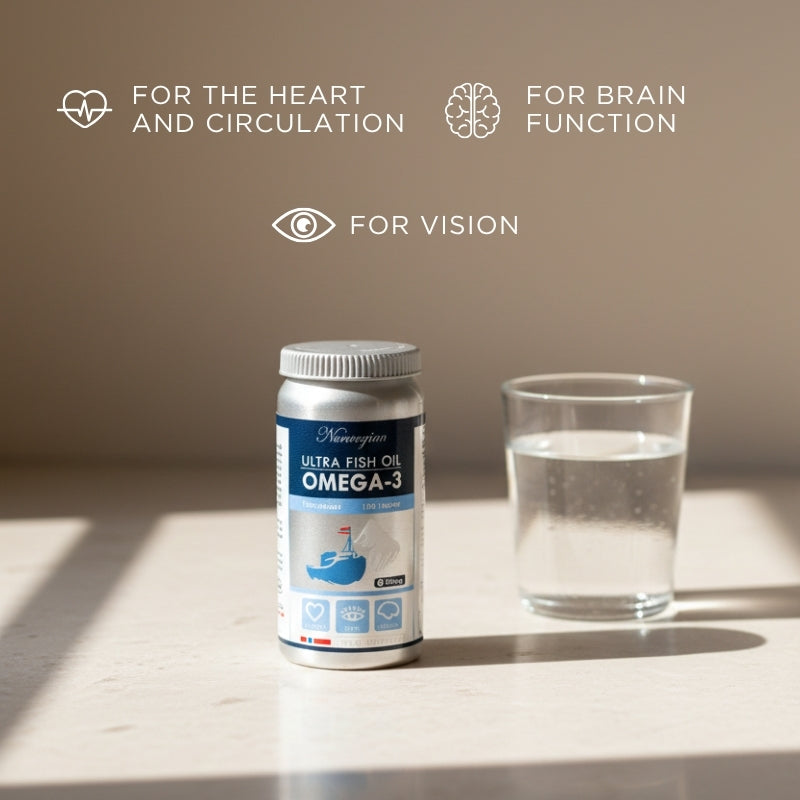
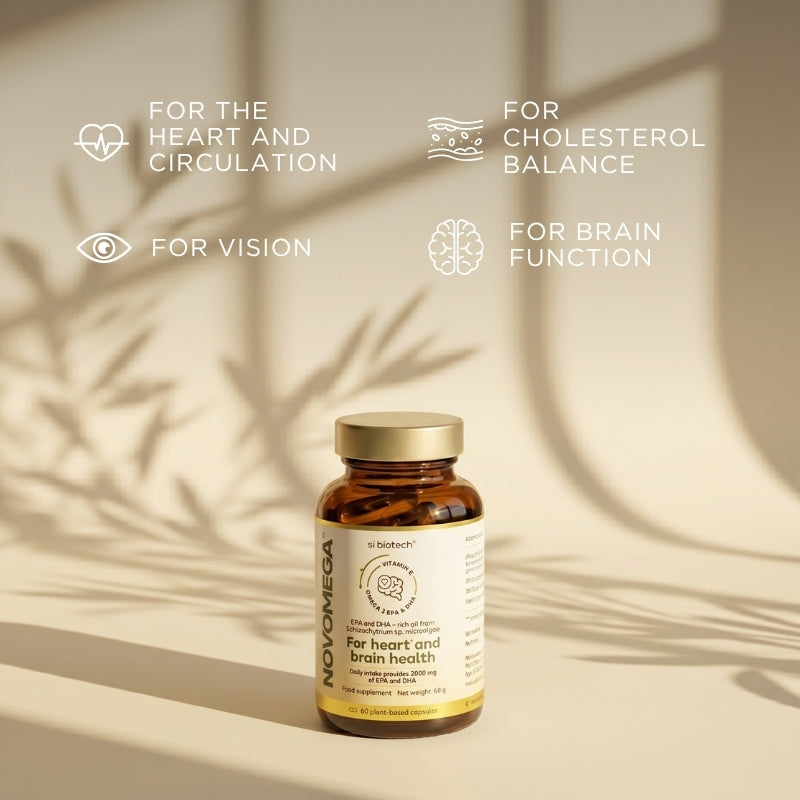
Omega-3 fatty acids (DHA, EPA). Have anti-inflammatory effects and are responsible for brain structure. When omega-3 is deficient, cognitive functions slow down. These fatty acids are abundant in fatty fish (mackerel, salmon). Flaxseeds can also be consumed.
-
Vitamin D. Performs immune function and provides neurological protection. When vitamin D is deficient, nervousness, fatigue, or depression occur. Fish and eggs contain vitamin D. Sunlight also helps the body produce this vitamin.
What vitamins are needed to strengthen women's nervous system?
For both men and women, the most important vitamins for the nervous system are B vitamins, vitamin D, omega-3 fatty acids, and magnesium. It is important to note that women often need them earlier. This is influenced by hormonal fluctuations, menstruation, pregnancy, and menopause. However, differences in supplement needs between men and women can also depend not only on gender but also on individual physiological, hormonal characteristics, and lifestyle.
The most important minerals and vitamins for women's nervous system and more:
-
Folic acid (B9). Especially important to take before and during the first months of pregnancy. Folic acid is essential for the formation of the fetal neural tube. B9 is important not only during pregnancy, as this vitamin also affects serotonin metabolism, which helps ensure a stable mood.
-
Vitamin B6. Beneficial to take before menstruation and during menopause. Vitamin B6 can help reduce PMS symptoms, irritability, nervousness, and mood swings.
-
Vitamin B12. Useful to take from age 40 and older. Vitamin B12 is often deficient in vegetarians, vegans, or those with digestive disorders.
-
Magnesium. Very beneficial to take when experiencing stress, during PMS, or at the onset of menopause. Magnesium can reduce anxiety and insomnia.
-
Iron. Iron deficiency disrupts the brain's oxygen supply and affects concentration. Women, especially those with heavy menstrual bleeding, may experience weakness, fatigue, and drowsiness. It is important to perform blood tests and only then, if necessary, take iron supplements.
What vitamins are needed to strengthen children's nervous system?
Although some supplements and vitamins that strengthen the nervous system are important at all ages, they should be dosed very carefully for infants and young children. For example, in Lithuania and many other countries, vitamin D is essential for infants because there is too little of it in breast milk. It is recommended to administer 400-600 IU of vitamin D per day starting from the 2nd week of a baby's life. Later, for young children, the most important thing is a quality diet, and only if needed and after consulting a doctor – targeted food supplements for the nervous system.
Recommendations for parents:
-
First – focus on nutrition. Children should eat meat, eggs, vegetables, whole-grain products, and fish at least 2-3 times a week, or take fish oil. It is also important to avoid processed foods, colorings, and sweets. Consciously monitor and teach children to eat healthy food. Processed food, rich in sugar and trans fats, does not contain enough B vitamins, Omega-3, and micronutrients. This negatively affects a child's nervous system: irritability may increase and mood swings may begin.
-
Supplements for the nervous system and more – according to the doctor's recommendation. Vitamin D (essential for children at least until 10 years old), omega-3 food supplements (for children who do not eat fish), iron (in case of anemia or for children who do not eat), multivitamins (only if the child's diet is poor, monotonous, and limited, as excessive multivitamin intake can be harmful).
-
If a child is sluggish, nervous, sleeps poorly, or experiences memory, attention, or speech development disorders, blood tests should be performed to determine if their body is lacking important vitamins and minerals.
How to choose the best food supplements for strengthening the nervous system?
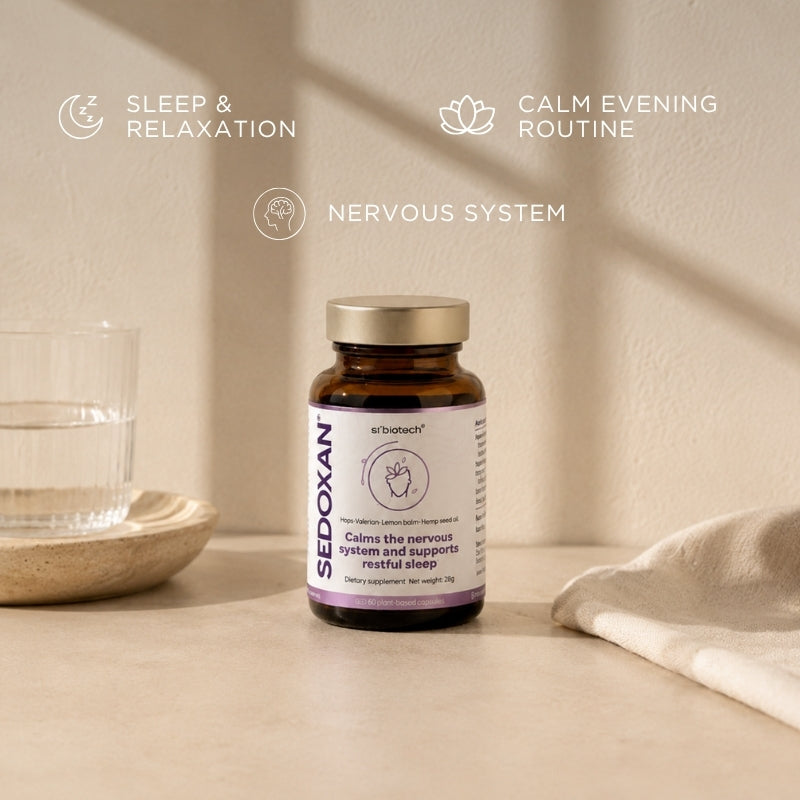
When choosing food supplements for the nervous system, as with all other supplements, check whether they have a GMP certificate and whether the raw materials for the supplements are certified in European countries with a strong quality regulatory system. To ensure that the selected nervous system supplements are effective, observe your well-being. If you experience nausea, headache, stomach pain, or an allergic reaction while taking the supplements, this may be a sign that the chosen nervous system-strengthening supplements are not suitable.
Some interesting facts:
-
The human brain contains about 86–100 billion neurons, and the entire body has about 135 billion. The number of neurons in the human brain is sometimes compared to the number of stars in the Milky Way galaxy, which is also estimated to contain at least 100 billion stars.
-
The human brain not only receives information but also interprets it. In ancient times, humans had to make decisions quickly and understand what they saw. Survival depended on it: being able to escape danger and hunt for food.
-
The nervous system cooperates with sensory organs, so by relying on our senses, we often manage to avoid various injuries, illnesses, and intoxications.
Skaityti mažiau


