





What kinds of Omega-3 supplements are there?
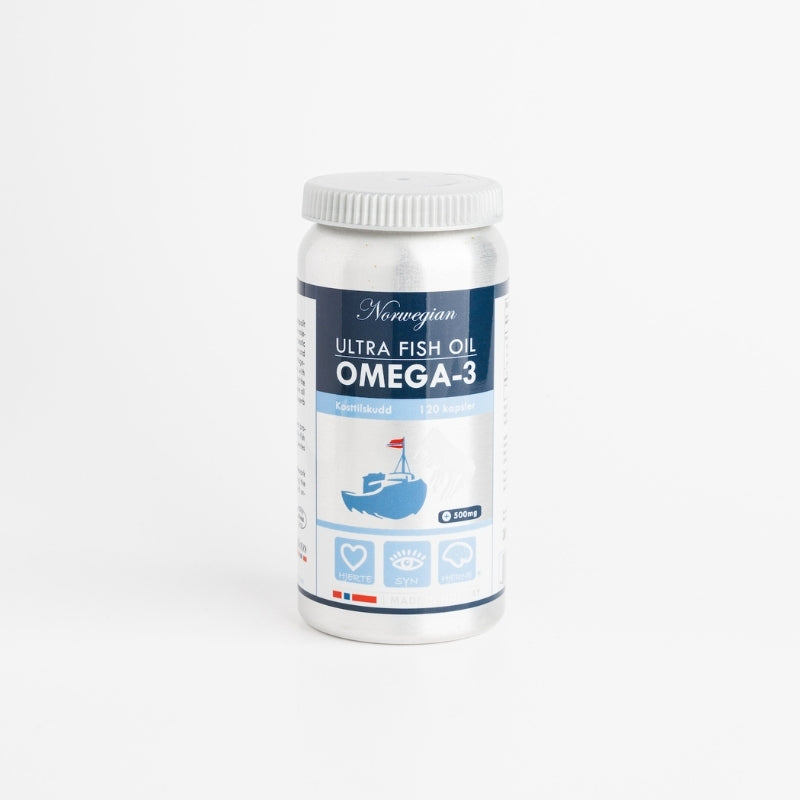
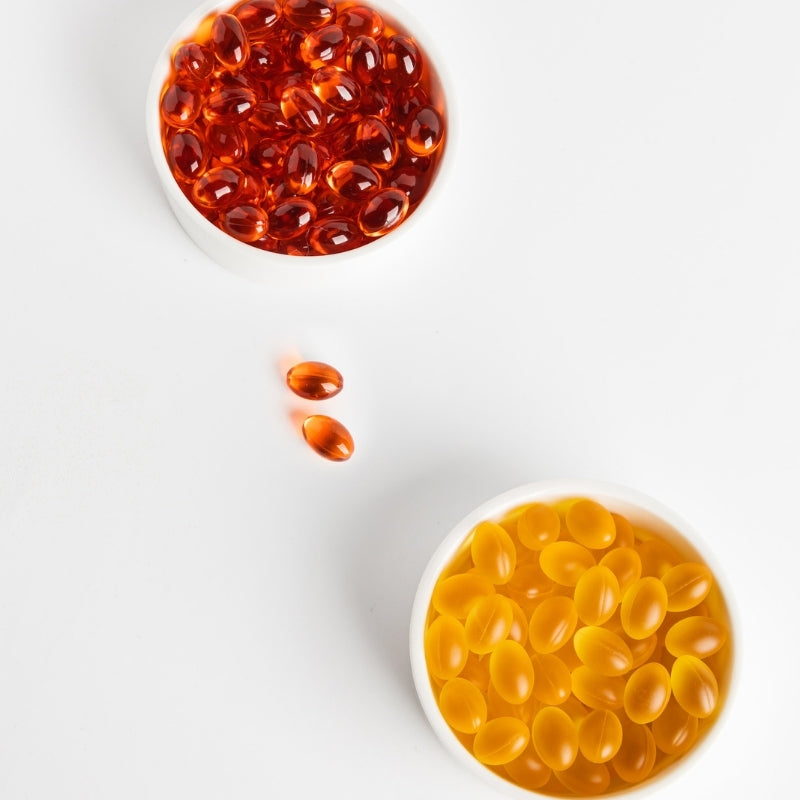
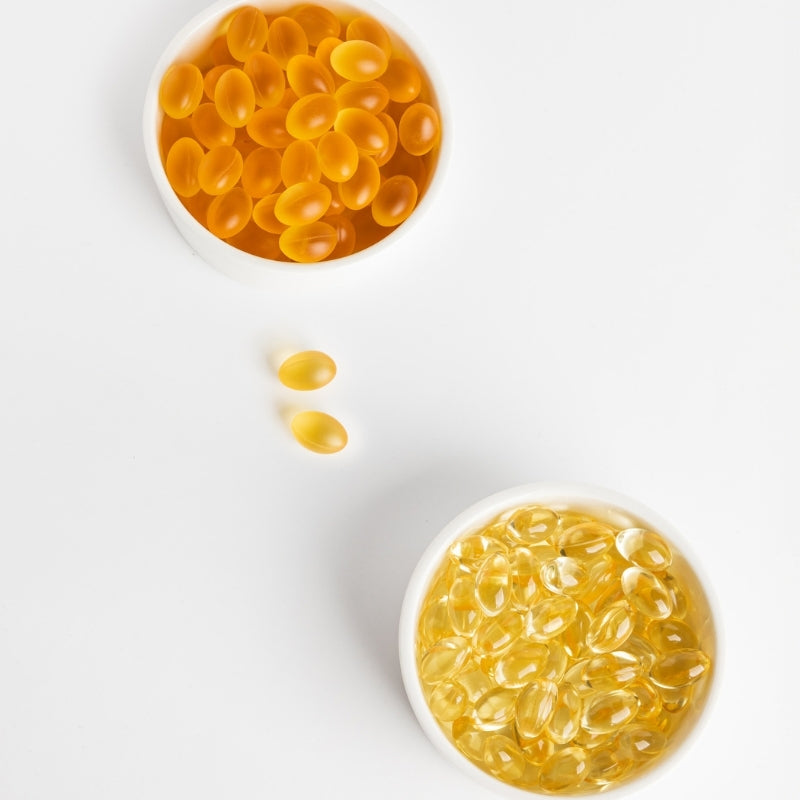
Omega-3 supplements are usually classified by their source – fish oil, krill oil, and plant-based (algae).
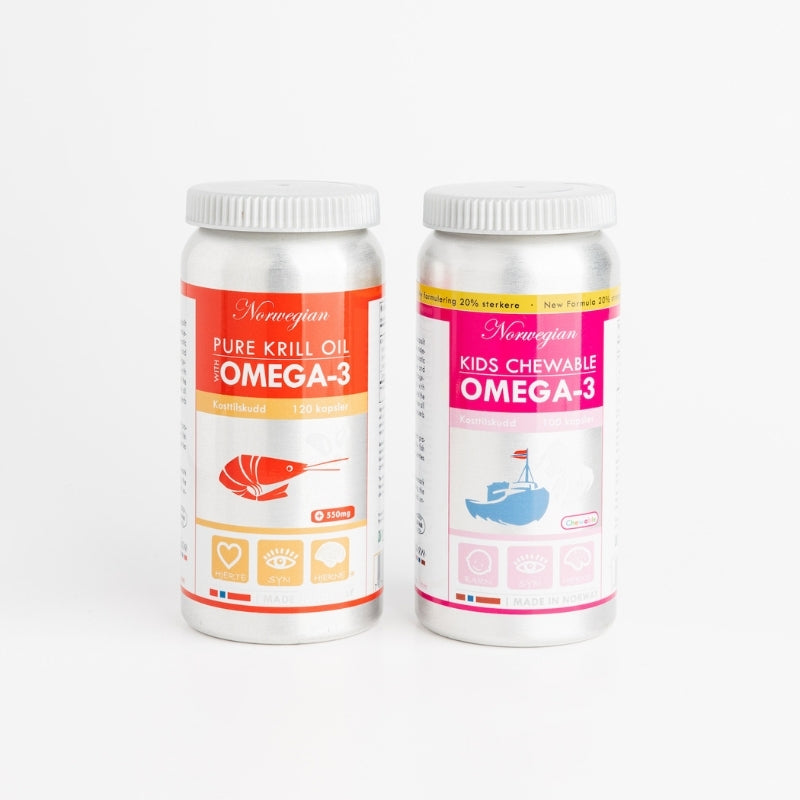
Fish oil remains the primary choice due to its wide availability and the option to choose different concentrations. Krill oil is often preferred for its convenience of use and specific omega-3 form, while plant-based options are relevant for vegetarians or vegans.
When choosing, it's important to understand that different sources mean not only different origins but also different forms and concentrations of omega-3.
What is the difference between fish oil and krill oil?
The main difference lies in the form of omega-3 fatty acids and how the are delivered.
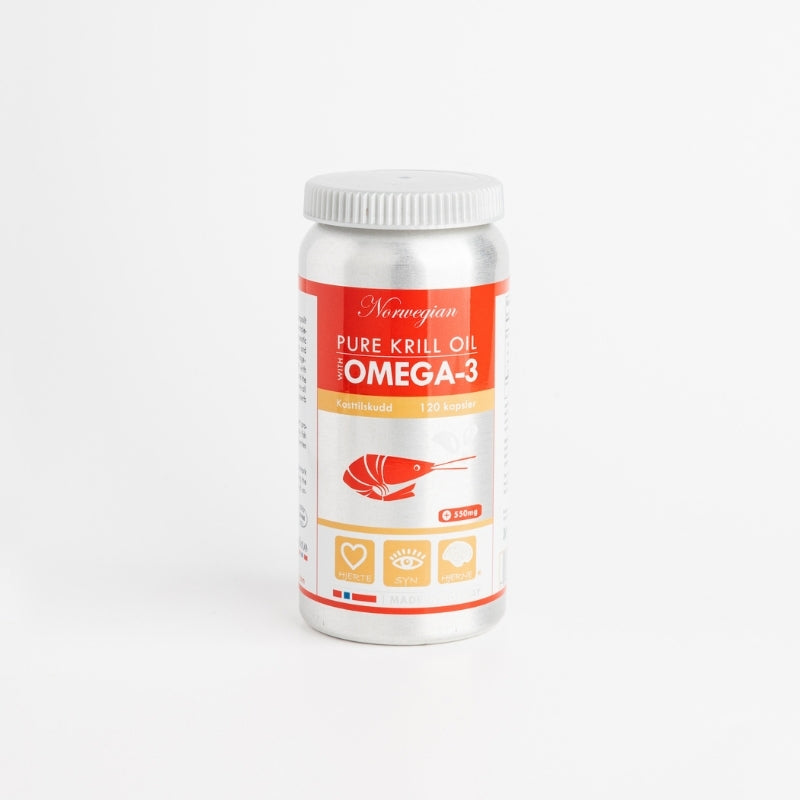
In fish oil, omega-3s are usually in triglyceride form, whereas in krill oil, they are in phospholipid form. Phospholipids are closer to the natural structure of human cells, so krill oil is often associated with more efficient absorption and easier use.
Krill oil also naturally contains astaxanthin, which helps protect fatty acids from oxidation.
Meanwhile, fish oil usually has a higher concentration of EPA and DHA per serving, making it easier to reach the required daily amount.
In short: krill – convenience and form, fish oil – concentration and dose flexibility.
Read more about the differences: How to choose the best Omega-3 supplements
Which Omega-3 form should you choose: capsules or liquid?
The choice usually depends not on "what's better," but on what you will actually use daily.
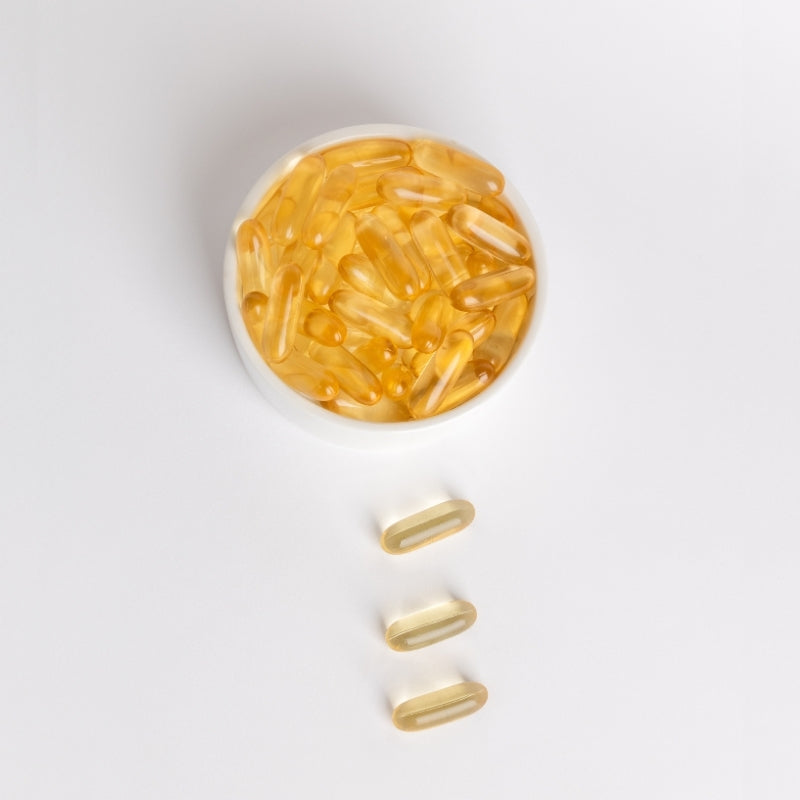
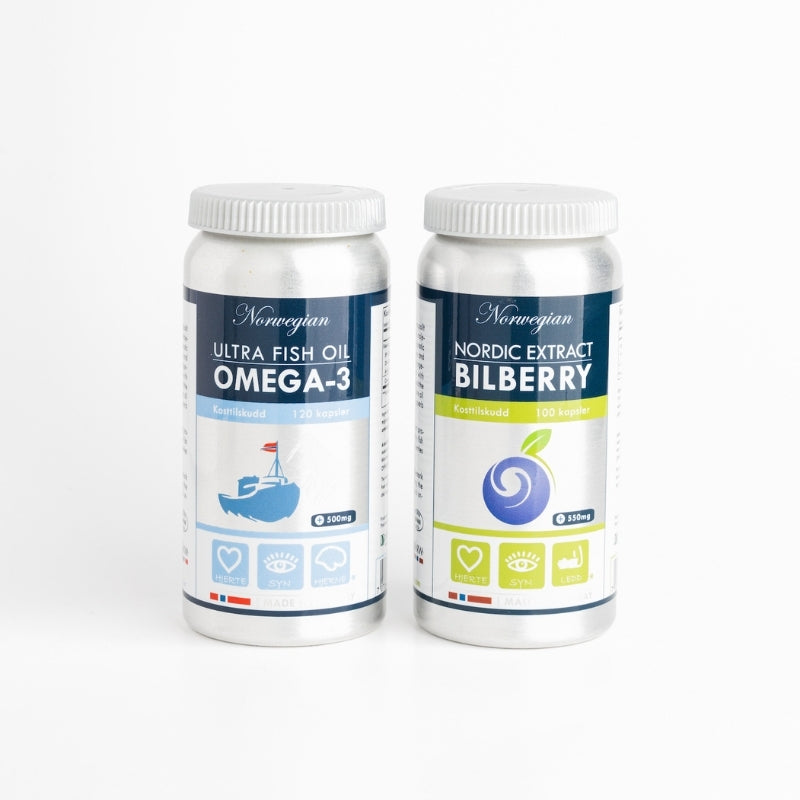
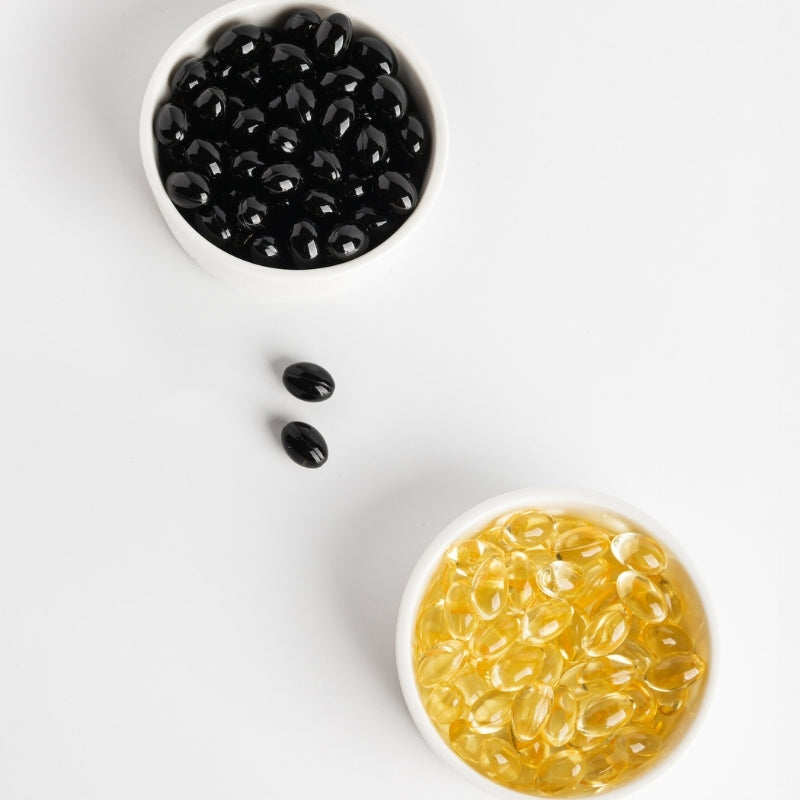
Capsules are more convenient – they are easy to dose, have no distinct taste, and are suitable for daily use. This is the most common choice for adults.
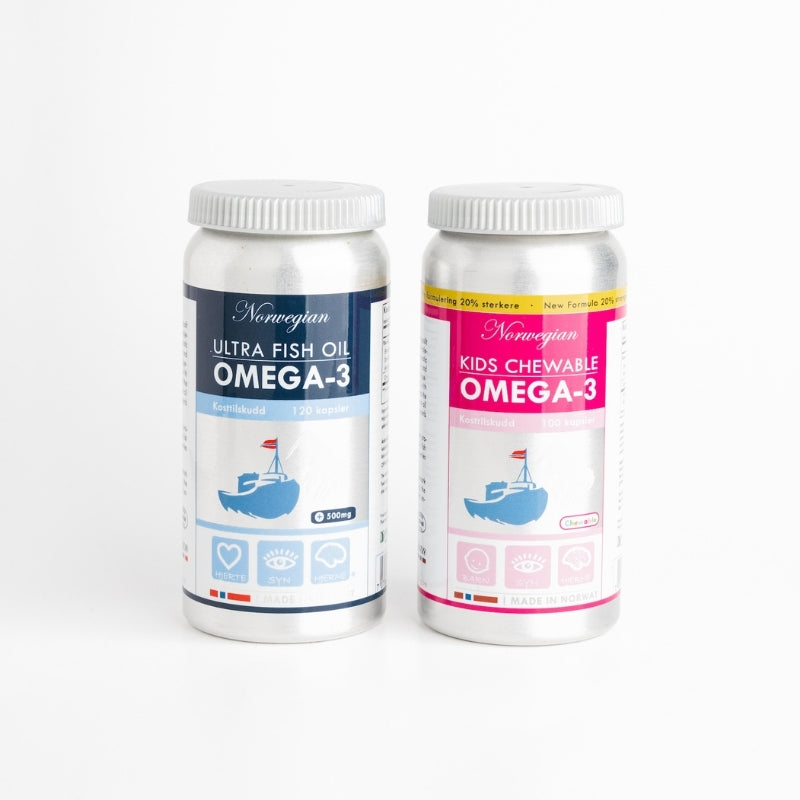
Liquid fish oil makes it easier to adjust the dose and often delivers more omega-3 in a single serving. It's commonly chosen for children or for people who have difficulty swallowing capsules.
What should you look for when choosing an Omega-3 supplement?
When choosing an omega-3 supplement, it's important to look beyond the brand name or the number of capsules. What really matters is the product's composition and quality.
EPA and DHA content: the most important thing is the amount of active ingredients per serving, not the total "mg of fish oil."
Source of raw materials: small fish (e.g., anchovies, sardines) or krill are often valued for their lower risk of contamination.
Form (triglycerides vs. phospholipids): different forms can affect absorption and user experience.
Quality and stability: it is important that the product is protected from oxidation and manufactured according to quality standards.
Convenience of use: capsule size, taste, or form often determines whether the supplement becomes part of a daily routine.
How can you tell if an Omega-3 supplement is high quality?
With so many omega-3 supplements on the market, it can be difficult to know which ones are worth choosing. Looking at a few key quality indicators can help you make a more informed decision.
When choosing supplements, make sure they have a GMP (Good Manufacturing Practice) certificate. This proves that the food supplements are manufactured according to the highest quality standards.
Also, pay attention to the raw materials – from which sources the Omega-3 fatty acids are extracted. These can be krill, algae, seeds, and fish. They must be caught in clean waters.
Good quality food supplements should also be tested for possible contaminants (e.g., mercury, lead). This is very important because some fish accumulate heavy metals.
Also, carefully read the information leaflet of the purchased Omega-3 food supplements and learn how to store them properly to ensure they remain of impeccable quality and are maximally absorbed.
How much Omega-3 do you need per day?
Your omega-3 needs depend on your age, diet, and individual health goals. When choosing a supplement, focus on the total daily amount of EPA and DHA, rather than the total amount of fish oil. The recommended serving size is listed on the product label.
For children, fish oil doses are recommended according to their age, for example, 1-3 year olds need 100 mg per day, and older children, 7-12 year olds – 250 mg. For younger children, it is more convenient to use Omega-3 supplements in liquid form or chewable forms.
For healthy adults, an intake of 250–500 mg of EPA and DHA per day is generally considered sufficient to support normal body function. In practice, many people choose 500–1,000 mg per day, particularly if they rarely eat oily fish
In some cases, higher doses are also used (e.g., 1–2 g or more), but such amounts should be evaluated individually.
Elderly individuals require a higher than usual amount of Omega-3 fatty acids: 1-2 grams per day, as they are at a higher risk of cardiovascular diseases, inflammation, or brain diseases. It is advisable to take them at a convenient time and with food, especially healthy fats for better absorption.
For athletes, the recommended dose is 1-3 grams of Omega-3 fatty acids per day. It is most expedient to take them with food, after training.
Read more about doses and needs: The benefits of Omega-3 for the body: functions, effects, and recommended doses
When is it worth taking Omega-3 supplements?
Omega-3 supplements can be a good option if you don't get enough omega-3s from your diet—for example, if you rarely eat oily fish.
They also often become part of the daily routine for people who want to maintain the overall balance of bodily functions.
It's important to remember that supplements are intended to complement a healthy diet, not replace it.
If you suspect a deficiency: Signs of Omega-3 deficiency: how to tell if your body is lacking them
How to choose fish oil for children?
When choosing fish oil for children, it is important to consider not only the ingredients but also how easy it is for your child to take consistently.
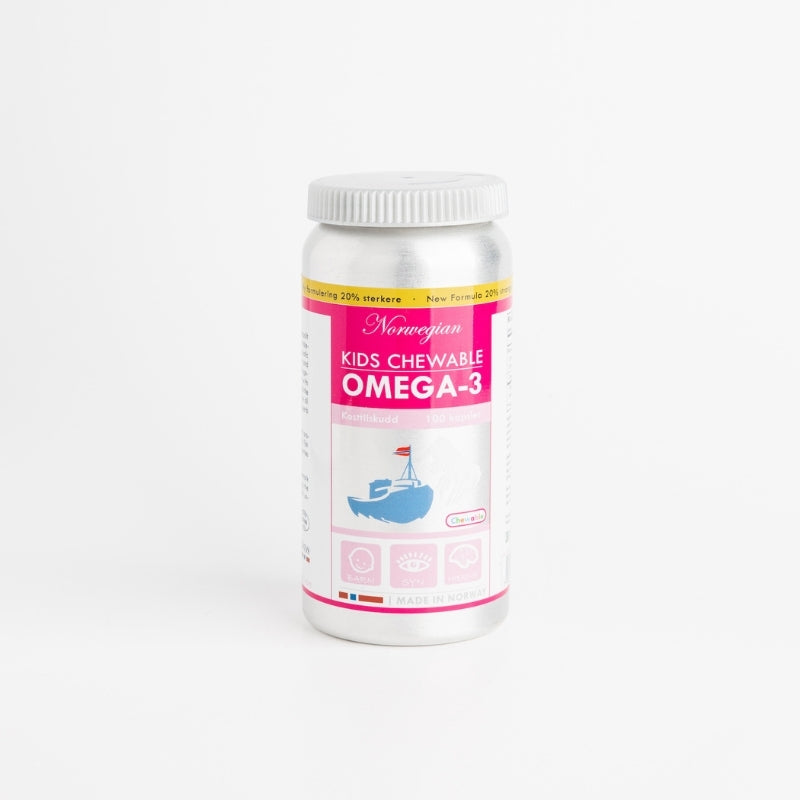
Liquid fish oil and chewable gummies are popular choices for younger children, while older children may prefer small, easy-to-swallow capsules. If a supplement doesn't taste good or is difficult to take, it's less likely to become part of a daily routine.
It is also important to evaluate the amount of EPA and DHA and the composition – choose products with a clear composition, adapted to children's needs.
Read less