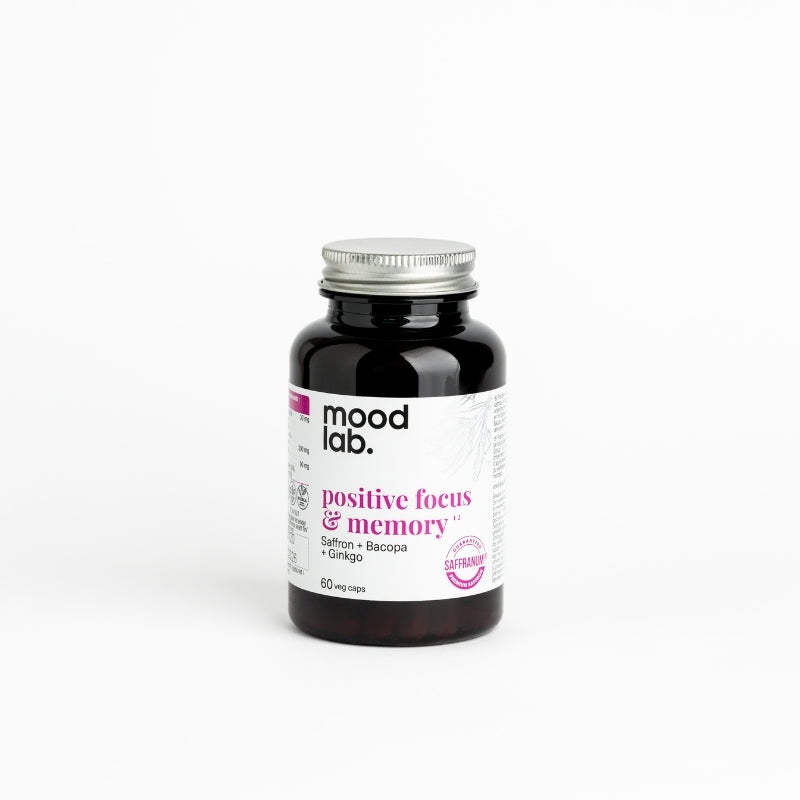
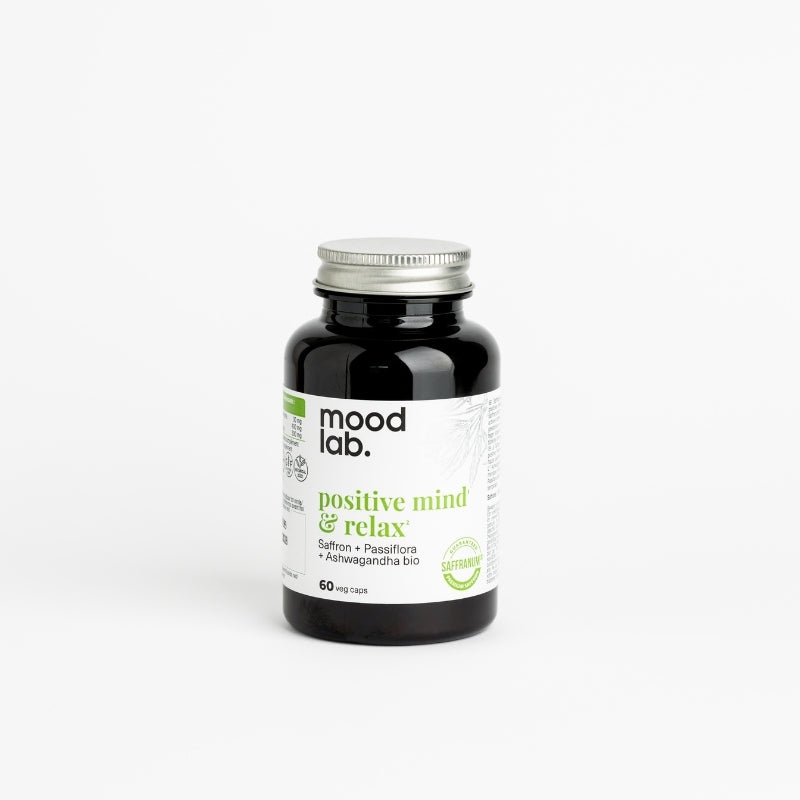
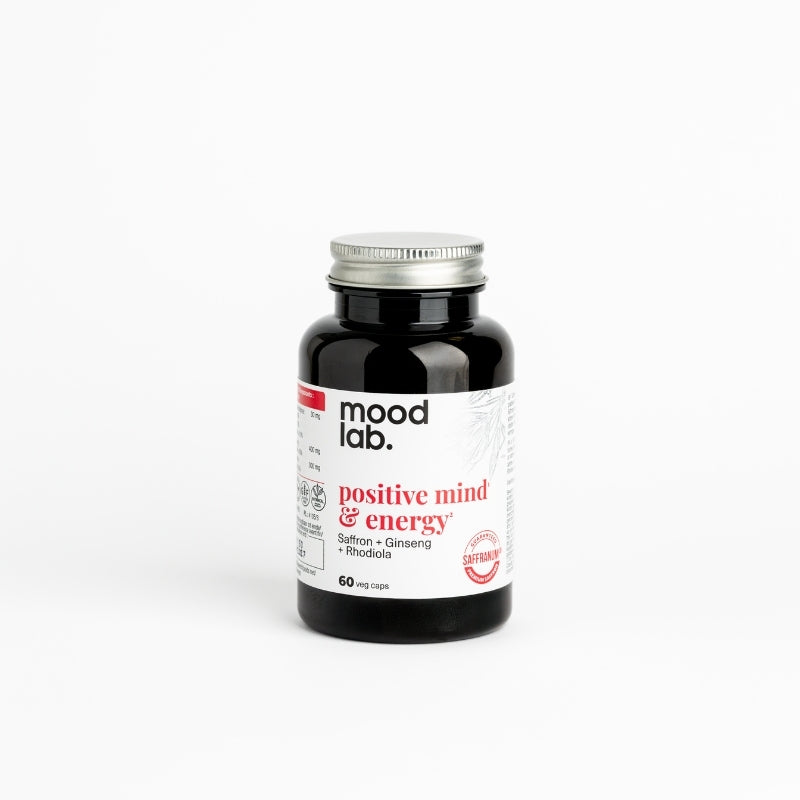




In the modern world, as life expectancy increases, more and more thought is given to how to preserve not only physical but also mental health for as long as possible - more than a billion dollars are spent annually on brain-activating preparations. The market offers a wide variety of things, from energy drinks that strongly affect the brain to devices that cause a mild electric shock, the effectiveness of which is not even scientifically proven. Various smart applicati...Skaityti daugiau
In the modern world, as life expectancy increases, more and more thought is given to how to preserve not only physical but also mental health for as long as possible - more than a billion dollars are spent annually on brain-activating preparations. The market offers a wide variety of things, from energy drinks that strongly affect the brain to devices that cause a mild electric shock, the effectiveness of which is not even scientifically proven. Various smart applications that "exercise" the brain can also be found, but the truth is that solving a simple Sudoku will have the same effect on the brain.
Brain health is influenced by heredity, but changes in brain activity (acquired) also depend on lifestyle: physical activity, nutrition, rest, emotions, and hormones. Quality food supplements for improving brain function also play a positive role. They can be a very valuable aid, helping to supply the brain with necessary substances and strengthening cognitive functions. Thus, brain health is a daily concern, not just a genetic lottery.
How are brain activity, memory, and cognitive abilities related?
Brain activity, memory, and cognitive abilities are closely related as they are functions of the central nervous system. The brain is like a control center, and memory and cognitive abilities are specific tasks performed by this center. Brain health is a person's ability to function properly in cognitive, sensory, social-emotional, behavioral, and motor areas throughout life, regardless of whether there are certain disorders. Brain development, adaptation, and the ability to respond to stress are determined by various factors. This is far from just physical health but also a safe environment, social connections, and lifelong learning. Unfortunately, various conditions related to the brain and nervous system can arise in life, disrupting brain function. Brain diseases are affected not only by age but also by trauma or long-term stress – memory first deteriorates, and a person's cognitive abilities suffer. To avoid such conditions, it is worth investing a lot in your physical and emotional health, not forgetting movement and healthy eating. If necessary, supplements for improving brain function can also be very helpful.
What are the most common signs of brain dysfunction?
Approximately 165 million Europeans, including residents of Lithuania, live with brain disorders – this is one of humanity's biggest health problems. Roughly one in three people experience neurological or psychiatric disorders at some point in their lives, and with an aging society, the numbers are only increasing. These disorders include: Alzheimer's, Parkinson's diseases, epilepsy, depression, stroke, migraines, sleep disorders, head injuries, or addictions. We must not forget one of the most common diseases – dementia, which affects nearly 50 million people worldwide. 10 million new cases of this disease are diagnosed annually.
How to avoid brain dysfunction?
Scientists worldwide are constantly and actively researching brain diseases, their causes, and possible effective treatment methods, but very close cooperation between specialists from various fields is necessary here because these diseases and disorders are determined not only by genetics but also by concomitant human diseases and, of course, lifestyle. Thus, we ourselves must take some responsibility for prevention.
Regular physical activity improves blood circulation and helps the brain get more oxygen. Proper nutrition, sufficient fluid intake, sleep, and stress management also have a huge impact on overall body health, and thus on the brain. It is also important to understand that in order to achieve better brain function, we will not find one miraculous vitamin or pill. The whole is most important here. Only high-quality food supplements for improving brain function, which contain vitamins lacking in the body, can become an excellent complementary measure alongside a healthy lifestyle.
What foods are beneficial for the brain?
Just as there is no one magic pill to prevent cognitive decline, there is no single special food that can ensure a sharp mind in old age. Nutritionists constantly emphasize that the most important thing is to adhere to balanced nutrition principles: eat fruits, vegetables, legumes, and whole-grain products. Proteins are recommended to be obtained from plant sources or fish, and fats from healthy sources (e.g., olive oil), avoiding saturated fats.
Studies show that the best food for the brain is the same food that helps maintain cardiovascular health. Include in your diet:
-
Dark green leafy vegetables. They are rich in folic acid (B9), vitamin C and K, lutein, and beta-carotene. Broccoli and cauliflower also contain coenzyme Q10. Studies show that these plant products can slow down the decline of cognitive functions.
-
Fatty fish. Salmon, cod, canned light tuna are excellent sources of omega-3 fatty acids. This is very beneficial for Alzheimer's disease. Fatty fish also contain coenzyme Q10, vitamins B12, and D. It is recommended to eat fish at least twice a week, and if you don't like it, consult your doctor – supplements for brain function like omega-3 or other sources such as flaxseeds, avocados, walnuts may be useful. You can also enjoy oysters or shellfish, which are rich in zinc,
-
Meat, fish, eggs. These foods are rich in vitamins D, B12, and B2 (riboflavin), which are essential for a healthy heart, circulation, and the brain, as they improve mood and help produce energy.
-
Whole-grain products. They contain vitamin B1 (thiamine), which helps nerves and the brain "communicate."
-
Fruits and berries. Studies show that flavonoids in berries improve memory. Fruits, especially citrus, are rich in the antioxidant vitamin C and magnesium.
-
Walnuts, legumes. Nuts are an excellent source of protein and healthy fats. Walnuts, in particular, are beneficial, containing plant-based omega-3 fatty acids. Studies show that this acid can improve memory and lower blood pressure. Beans and other legumes are rich in vitamin B1, folic acid, magnesium, and zinc.
-
Don't be afraid to drink tea (especially green) and coffee. Caffeine can improve short-term concentration and general mental activity. Of course, moderation is key.
What vitamins and minerals are needed for the brain and what processes do they help control?
The most suitable food supplements for improving brain function for adults:
-
Omega-3, vitamins C, E, resveratrol, and all antioxidants. They have an antioxidant effect, which is essential for proper brain function and overall body health.
-
Omega-3, vitamin D, ginkgo, green tea extract. Suppresses chronic neurological inflammation.
-
Omega-3, magnesium, potassium, ginkgo, bacopa monnieri, blueberry extract. Supports brain blood circulation.
-
Omega-3, potassium, magnesium, ginkgo. Regulates serotonin and dopamine activity in the brain, which can improve mood, emotions, and behavior.
-
Bacopa monnieri, green tea extract, B group vitamins. Restores and/or supports mitochondrial activity. Mitochondria are the "powerhouses" of cells, responsible for energy production.
-
Green tea extract, vitamin B9 (folic acid). Protects against heavy metals and free radicals that damage the cell membranes covering neurons.
-
Rhodiola, B group vitamins, magnesium. Supports the state of the nervous system and mental health.
What vitamins to choose for strengthening children's brain activity?
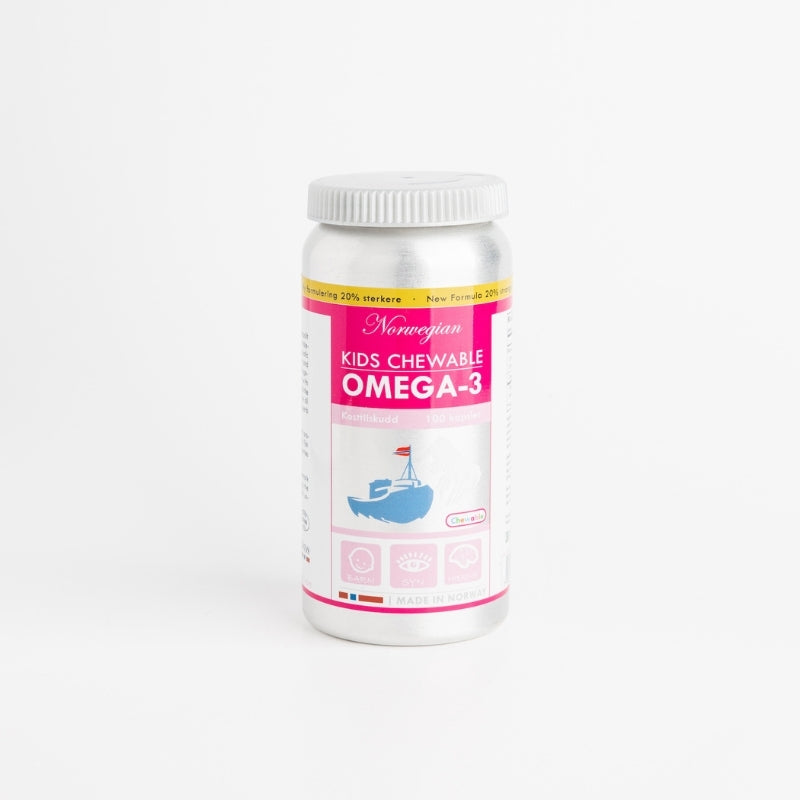
Food supplements are very important for children's growth and development, as they help replenish reserves of vitamins and other beneficial substances when it is difficult to obtain sufficient amounts from daily nutrition. These supplements for brain function and overall body health are essential for children:
-
Omega-3 fatty acids
-
Vitamin D
-
Calcium
-
Iron
They are necessary for healthy bone, brain, and immune system development. In addition, these food supplements for improving brain function can also increase energy levels, improve concentration, and overall well-being. However, it is important not only to choose quality and child-appropriate supplements but also to ensure a balanced daily diet and physical activity for children.
How to choose the best food supplements for the brain?
When choosing food supplements to improve brain function, as with all other supplements, check if they have a GMP (Good Manufacturing Practice) certificate. Also, find out if the supplement raw materials are certified in European countries, which have a strong quality regulatory system. Information can always be checked on the official websites of relevant institutions (FDA, EFSA). Learn more about the chosen food supplement manufacturer and carefully read the information on the food supplement packaging and find out how to properly store them so that they do not lose their highest quality and are fully absorbed.
To ensure that the chosen supplements for brain function are suitable for you, carefully monitor your well-being. If you experience adverse effects such as nausea, headache, stomach ache, or an allergic reaction while taking supplements, it is a sign that the chosen food supplements are not suitable. Also, remember that the positive effect of any product is not felt immediately but after several weeks or months.
A few more tips for good brain health
-
Challenge your brain. Be curious and discover something new – this could be trying a new skill, engaging in artistic activities, or an interesting hobby.
-
Learn throughout your life. Pursue higher education and continue it. Deepen your knowledge by attending classes at the library, listening to interesting seminars, or choosing another interesting course of study, even online.
-
Move more, but protect your head from injuries. Incorporate regular physical activities into your daily routine. This could include simple walks outdoors or dancing. The most important thing is to prevent head injuries, so, for example, when cycling, don't forget to wear a helmet.
-
If you smoke, quit. It's never too late to do so. After quitting smoking, the risk of cognitive impairment becomes similar to that of people who have never smoked.
-
Control your blood pressure and glucose. Get comprehensive blood tests and check your blood pressure at least once a year.


