Vitamin E
It is a fat-soluble antioxidant that helps protect the body's cells from oxidative stress and free radical damage. It is important for skin, immune system and heart health.

What are the benefits of vitamin E?
-
May help support cardiovascular health.
-
Protects cells from oxidative stress and slows down the aging process.
-
Supports healthy skin and promotes wound healing.
-
May contribute to maintaining fertility.
-
Strengthens the immune system.
-
Helps protect the eyes from degenerative changes (e.g., age-related macular degeneration).
Possible symptoms of vitamin E deficiency:
-
Fatigue and lack of concentration.
-
Impaired coordination and balance.
-
Muscle weakness.
-
Dry skin or rashes.
-
Weakened immune system.
-
Numbness, tingling in the extremities.
Natural sources of vitamin E
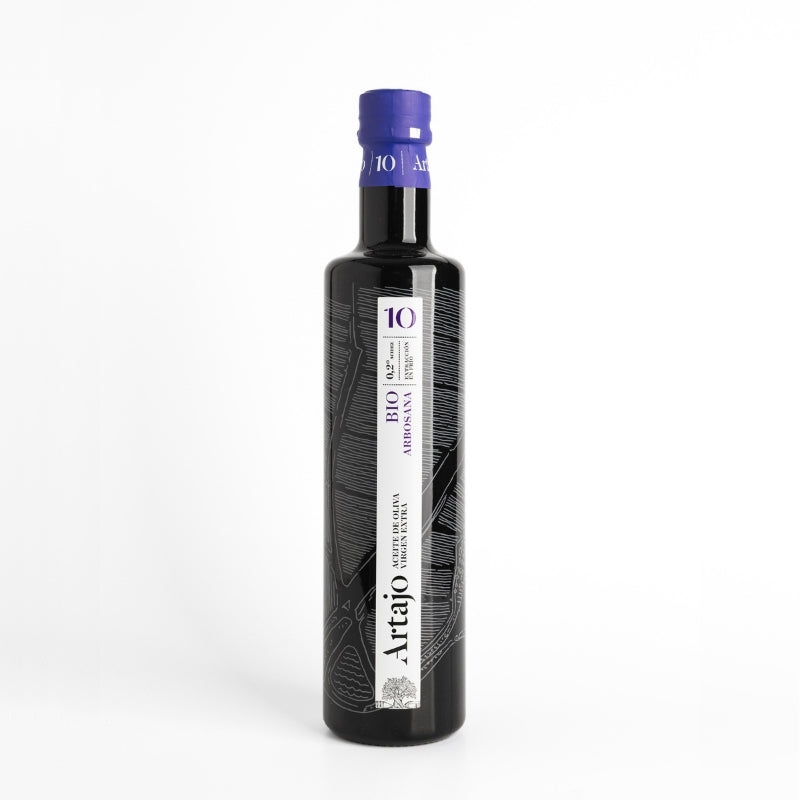
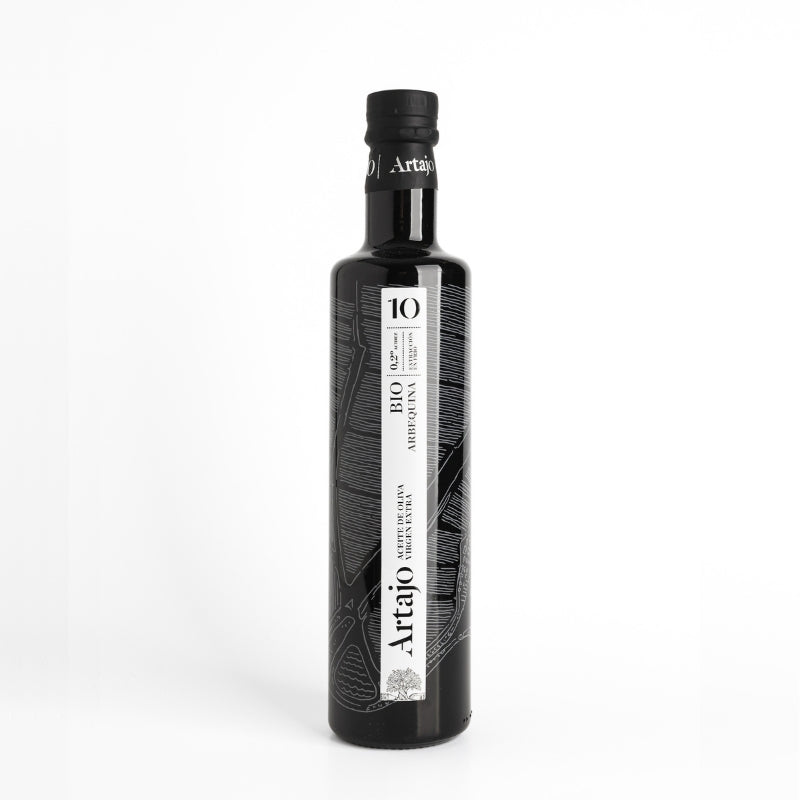
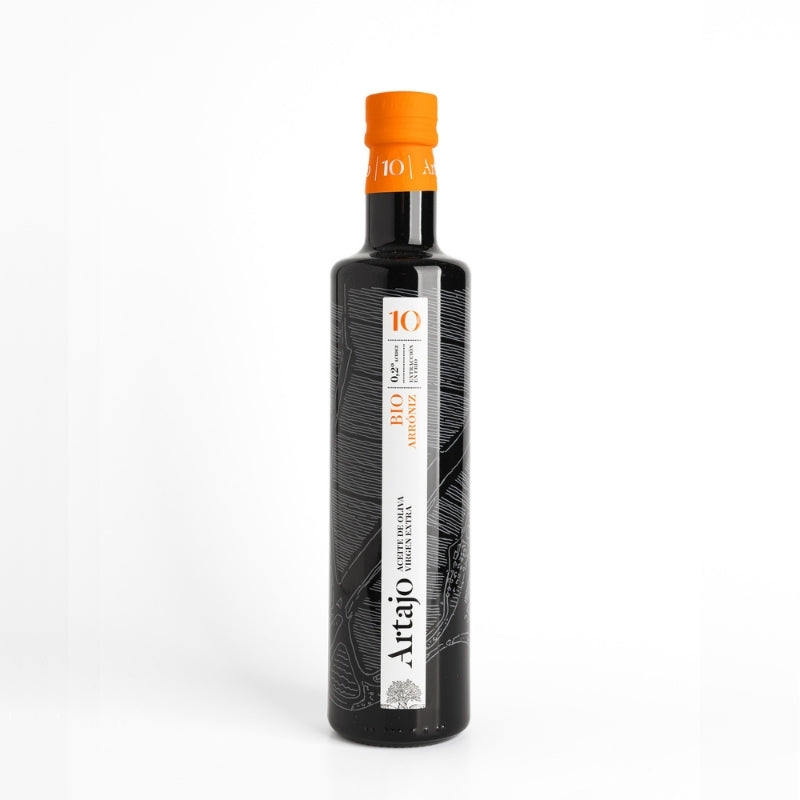
Vitamin E is naturally found in plant-based products such as olive oil, nuts (almonds, hazelnuts), seeds, avocados, and leafy green vegetables. In supplement form, this vitamin can be consumed as tablets, soft capsules, or in liquid form.
Recommended daily allowance of vitamin E
The recommended daily allowance of vitamin E for adults is about 15 mg (22.4 IU) in its natural form (d-alpha-tocopherol), but supplement doses can range from 100 mg to 400 mg per day or more, depending on individual needs and health status. The exact dose is chosen individually, considering the person's diet, body condition, and doctor's recommendations.
Possible side effects of vitamin E and interactions with medications
Vitamin E is generally well-tolerated, but excessive doses can cause nausea, headache, or increase the risk of bleeding. It can also interact with blood-thinning medications, enhancing their effect – consult your doctor if you are taking such preparations.