








Which vitamins help support the immune system?
A strong immune system starts with the basics: a balanced diet, regular physical activity, quality sleep, and effective stress management. Alongside these healthy habits, the right nutritional supplements can help support the normal function of the immune system.
Key nutrients for immune support:
- Vitamin C. A powerful antioxidant that helps protect cells from oxidative stress and supports the normal function of the immune system. It also contributes to normal energy metabolism, improves iron absorption, supports nervous system function, and helps reduce tiredness and fatigue.
- Vitamin D. Often called the "sunshine vitamin," vitamin D supports the normal function of the immune system while also helping maintain healthy bones, teeth, and muscles. Because sunlight exposure is limited for much of the year in many countries, vitamin D deficiency is relatively common.
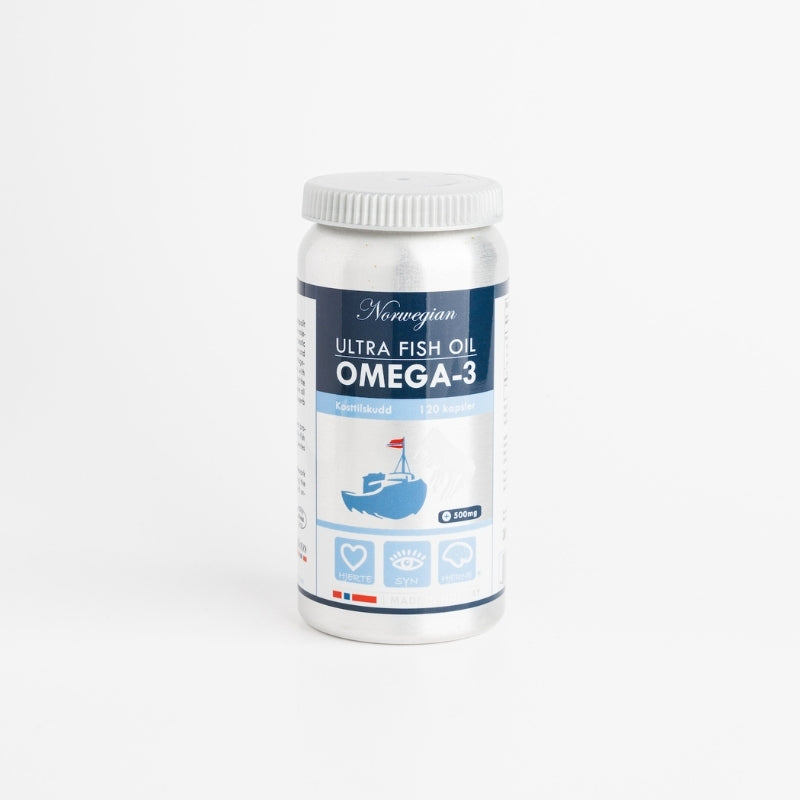
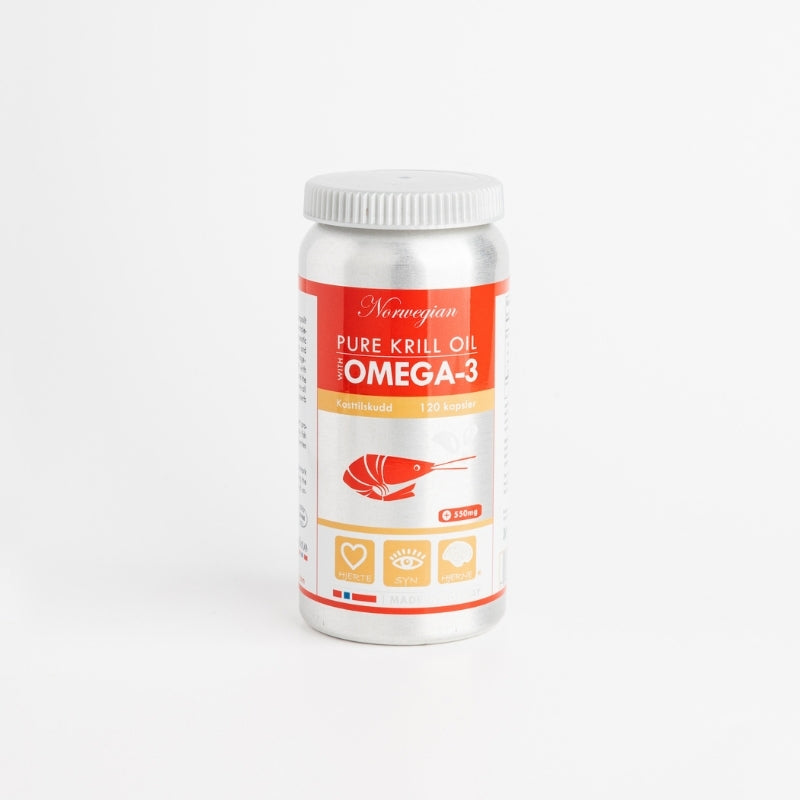
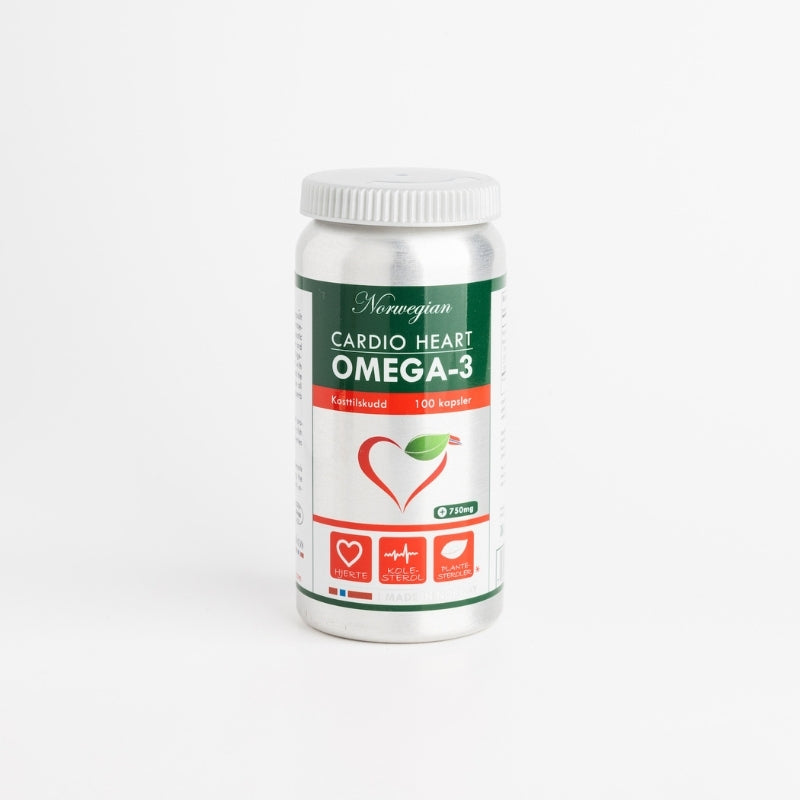
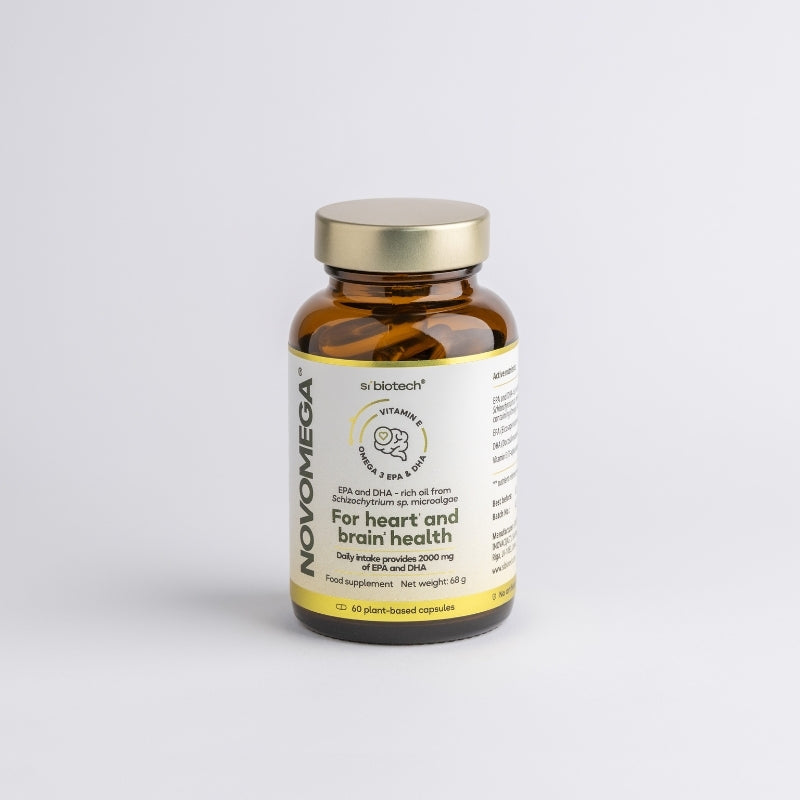
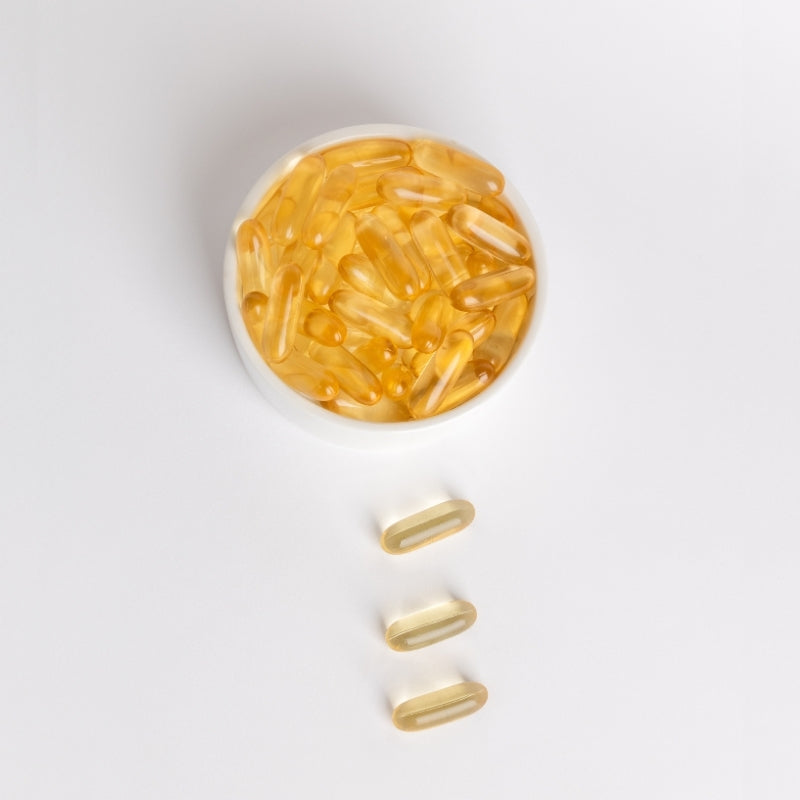
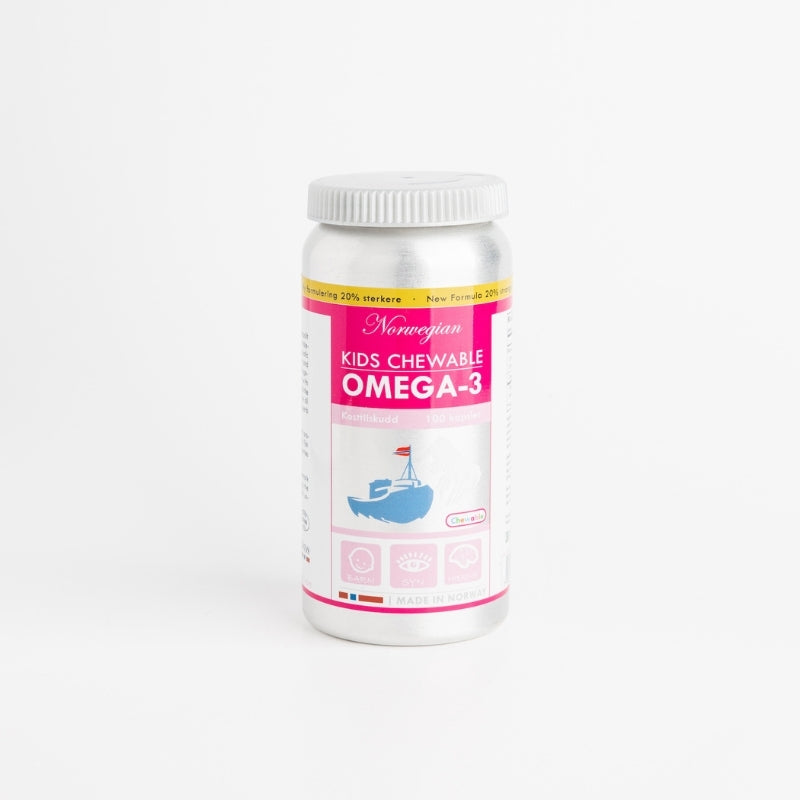
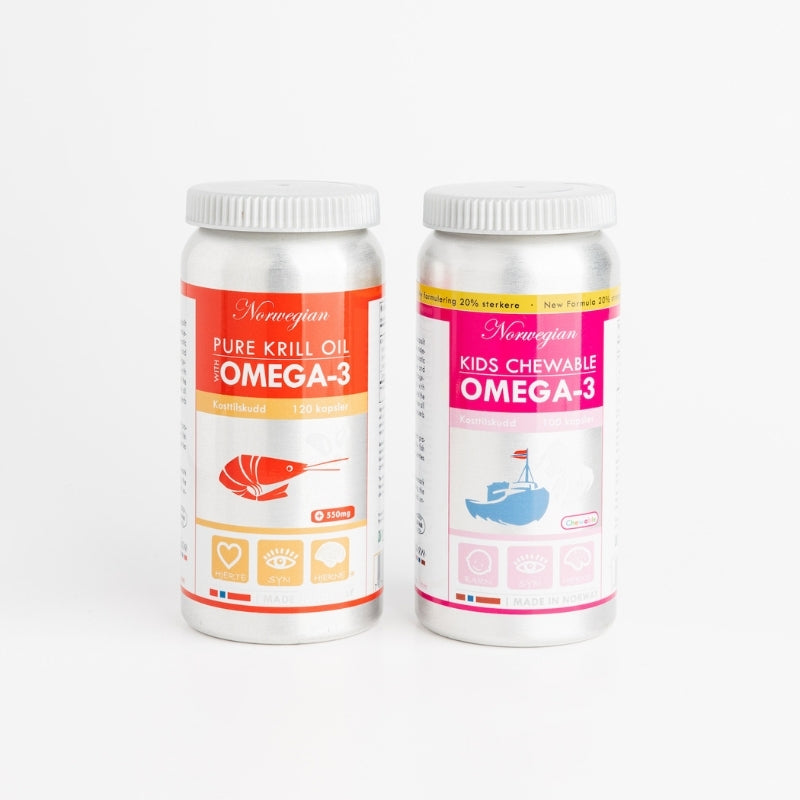
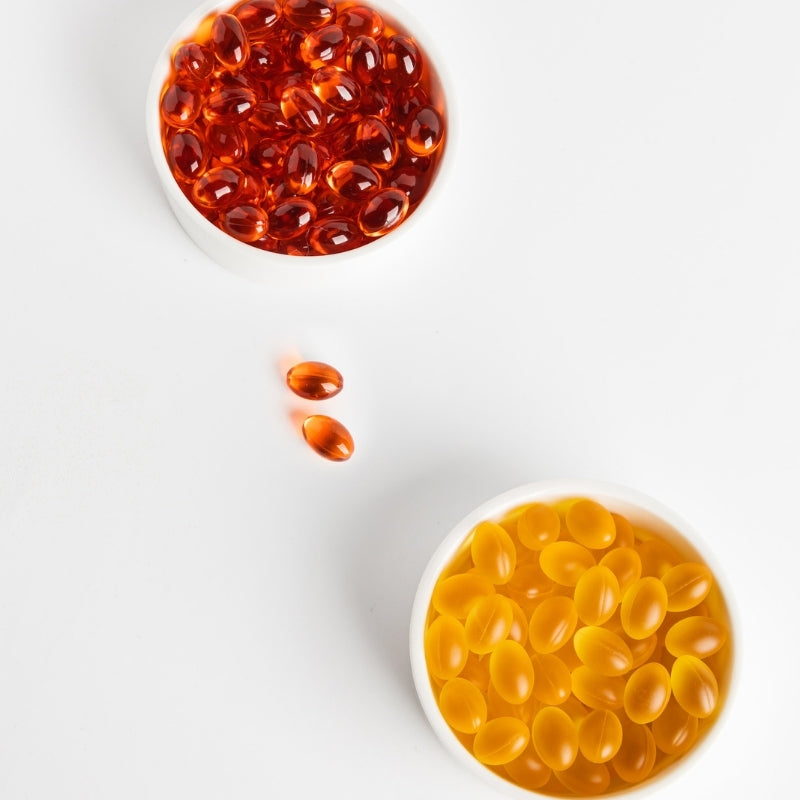
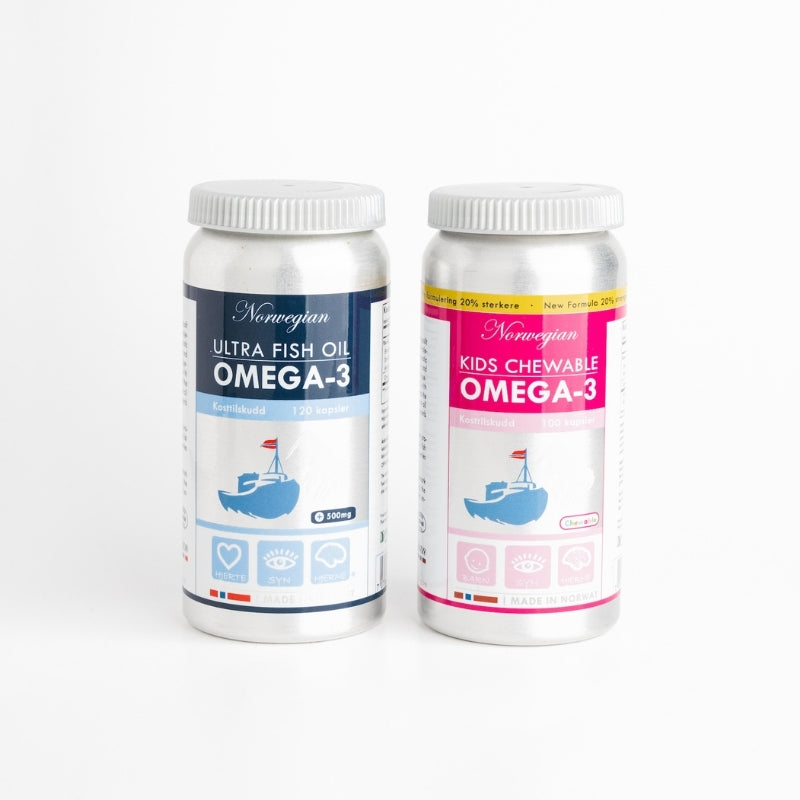
- Omega-3 Fatty Acids. These essential fatty acids cannot be produced by the body and must be obtained through diet or supplements. Omega-3s help support a balanced inflammatory response, which plays an important role in maintaining normal immune function.
- Probiotics. A healthy gut microbiome is closely linked to immune health. Probiotics help maintain a balanced gut flora, supporting the body's natural defenses and overall immune function.
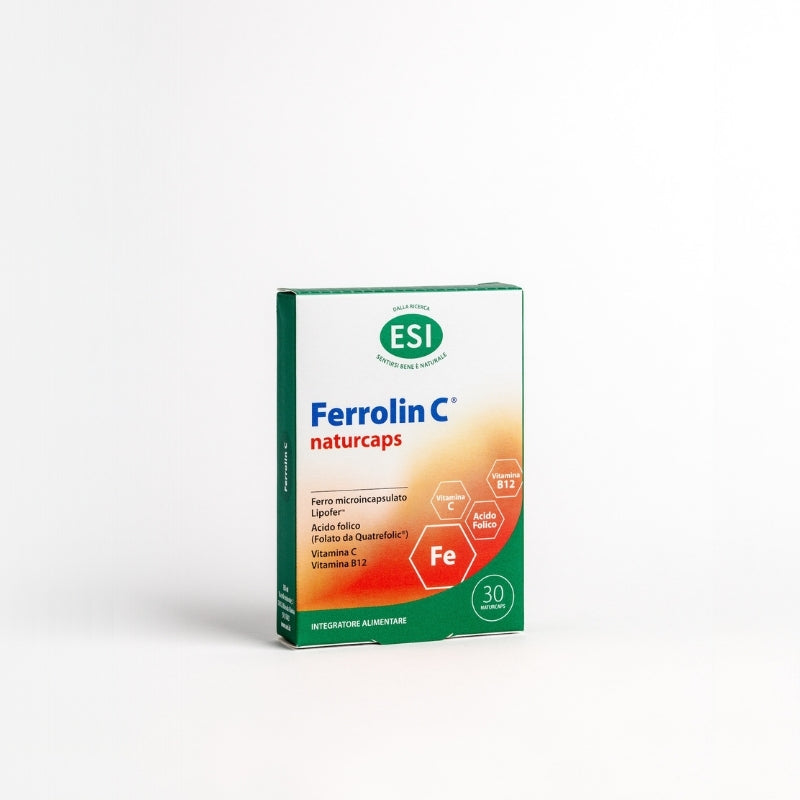
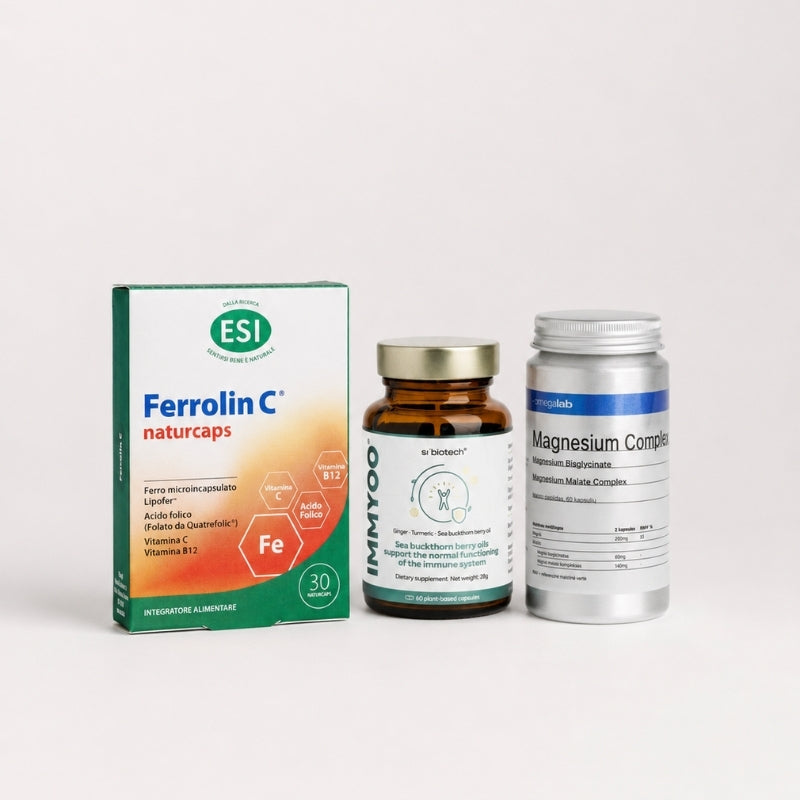
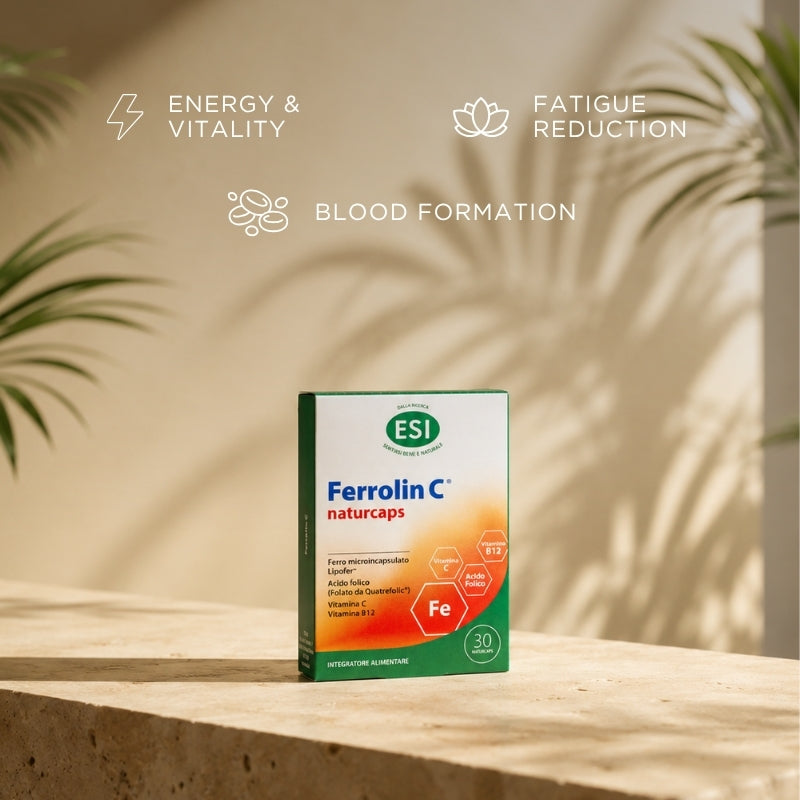
Other nutrients that are important for immune health include zinc, which supports cell growth and wound healing; vitamin A, which helps maintain the protective barrier of the skin and mucous membranes; vitamin E, coenzyme Q10, and astaxanthin, which provide antioxidant protection; iron, which supports normal immune cell function; selenium, which helps protect cells from oxidative stress and supports immune function; copper, which contributes to the normal functioning of immune cells; and B vitamins, which are essential for energy production and the formation of new cells.
Should you take immune support supplements year-round or only during cold and flu season?
The short answer: it depends on the nutrient, but one season is usually not enough. The best place to start is with a blood test, which can help identify any nutrient deficiencies and determine what your body actually needs at a given time.
Here are a few general guidelines:
- Vitamin D3 is commonly deficient throughout the year—not just in winter. Because it takes time to build and maintain healthy levels, short-term supplementation is often insufficient.
- Omega-3 fatty acids are typically taken as part of a long-term wellness routine rather than as a seasonal supplement.
- Vitamin C and zinc may be beneficial in shorter courses or during periods of increased need, such as recovery after an illness or a course of antibiotics.
For a more detailed guide on preparing your body for cold and flu season, read our article.
Which vitamins are best for women's immune health?
Women's nutritional needs change throughout different stages of life, which means immune support should be tailored accordingly. Before starting any supplement regimen, it's always best to consult a healthcare professional. Here are a few general guidelines:
-
During pregnancy and breastfeeding, the immune system naturally adapts. Maintaining adequate levels of vitamin D3, iron, and folate is particularly important during this time.
-
During hormonal changes, such as perimenopause, immune function may also be affected. Vitamin D3 and probiotics are among the nutrients most commonly recommended to support overall immune health during this stage.
-
During the colder months or following periods of stress, vitamin C and zinc can be useful as short-term support.
There is no one-size-fits-all formula for immune health. The most effective approach is to start with a blood test to identify any nutrient deficiencies and build a supplement routine based on your individual needs.
How to choose the best vitamins for immune support
When choosing supplements for immune health, it's worth paying attention to quality as much as the ingredients themselves. Look for products that are manufactured in facilities certified according to Good Manufacturing Practice (GMP) standards, and check whether the raw materials are sourced from suppliers that meet strict European quality requirements. It's also a good idea to research the manufacturer and choose brands that are transparent about their production processes, testing, and quality control.
Before taking any supplement, read the label carefully to understand the recommended dosage, storage instructions, and any precautions. Proper storage helps maintain the product's quality and effectiveness throughout its shelf life.
To evaluate whether a supplement is working for you, pay attention to how you feel over time. Most vitamins and minerals do not produce immediate effects, and it may take several weeks—or even months—of consistent use before you notice any benefits. If you experience unwanted side effects or an allergic reaction, discontinue use and consult a healthcare professional, as the product or its ingredients may not be suitable for you.
Read less