
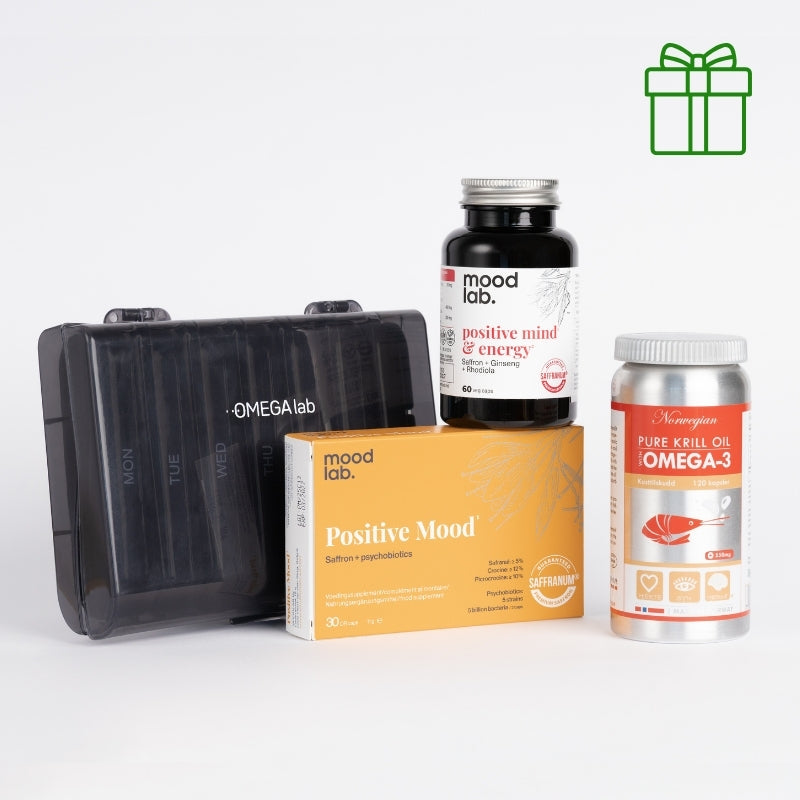
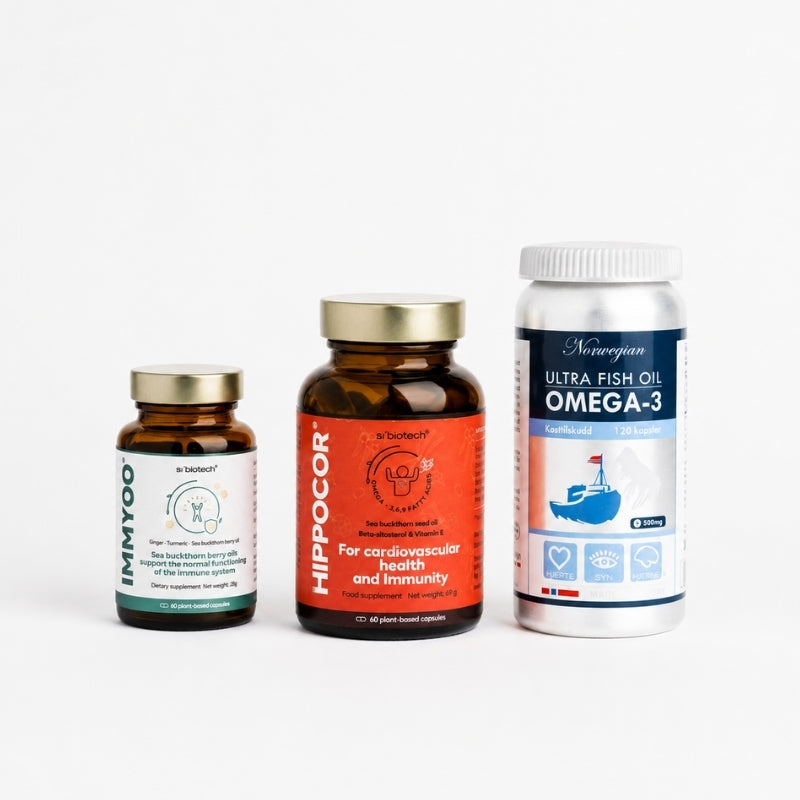
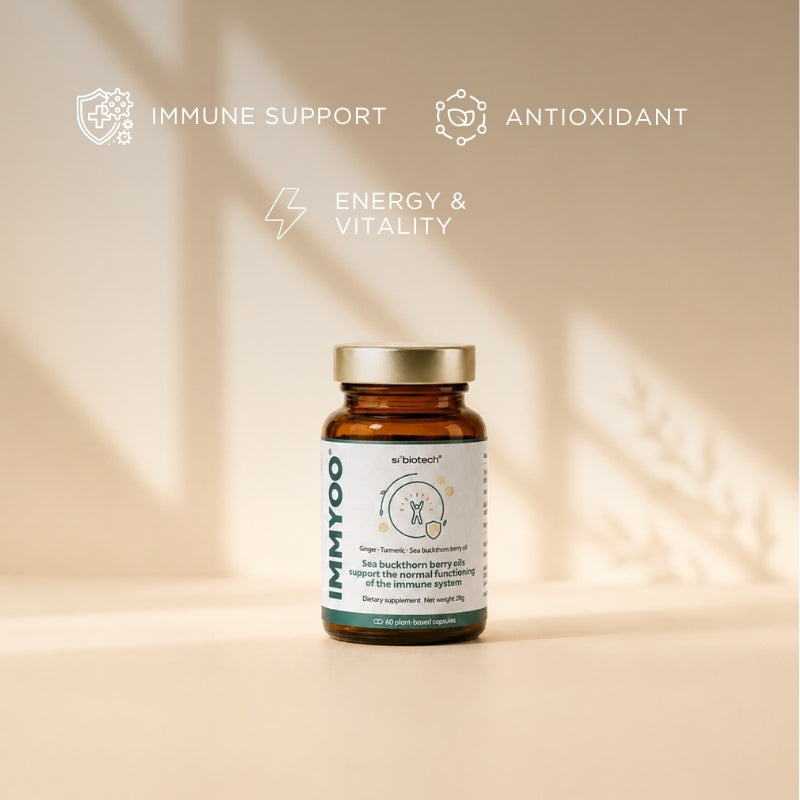

Lack of energy, fatigue, and decreased performance are very common companions of modern people. Due to improper nutrition, insufficient sleep, a stressful lifestyle, stress, or lack of rest, weakness and fatigue can occur, which often leads to various health problems in the long run. If you feel even slight fatigue, it is important not to delay and visit your family doctor. Lack of energy can be related to various diseases and health problems, such as insufficient or overactive thyroid function, hormonal imbalance, cardiovascular diseases, anemia, chronic inflammation, diabetes, or others. Very often, the body simply lacks certain vitamins, such as B12, D, magnesium, or iron. After thorough blood tests, one can decide on the need for treatment and see exactly what the body is lacking, and then start taking important energy supplements.
What are the signs of low energy?
Low energy can show up in many different ways, depending on the underlying cause and your overall health. Some of the most common signs that your body may be lacking energy include:
-
Constant fatigue, weakness, sluggishness
-
Headache and/or dizziness
-
Decreased endurance
-
Difficulty concentrating
-
Irritability and mood swings
-
Increased stress
-
Lack of motivation
-
Insomnia at night or constant daytime sleepiness
-
Decreased appetite or, conversely, episodes of overeating
-
Digestive problems
What foods help boost your energy?
Why are energy supplements important?
While the foods mentioned above can help boost energy levels and reduce fatigue, even a well-balanced diet may not always provide all the nutrients your body needs. Factors such as declining soil quality, environmental pollution, food processing, and modern lifestyles can make it more difficult to obtain adequate amounts of certain nutrients through diet alone. As a result, dietary supplements may help fill nutritional gaps and support normal energy-yielding metabolism.
When choosing energy supplements, it's generally better to select products that provide the nutrients your body actually needs rather than complex formulas with a long list of ingredients. Choosing supplements based on your individual needs—and taking them according to your healthcare provider's or the manufacturer's recommendations—can help support your nutrient intake safely and effectively, contributing to your overall well-being and everyday energy.
What food supplements can help support energy levels?
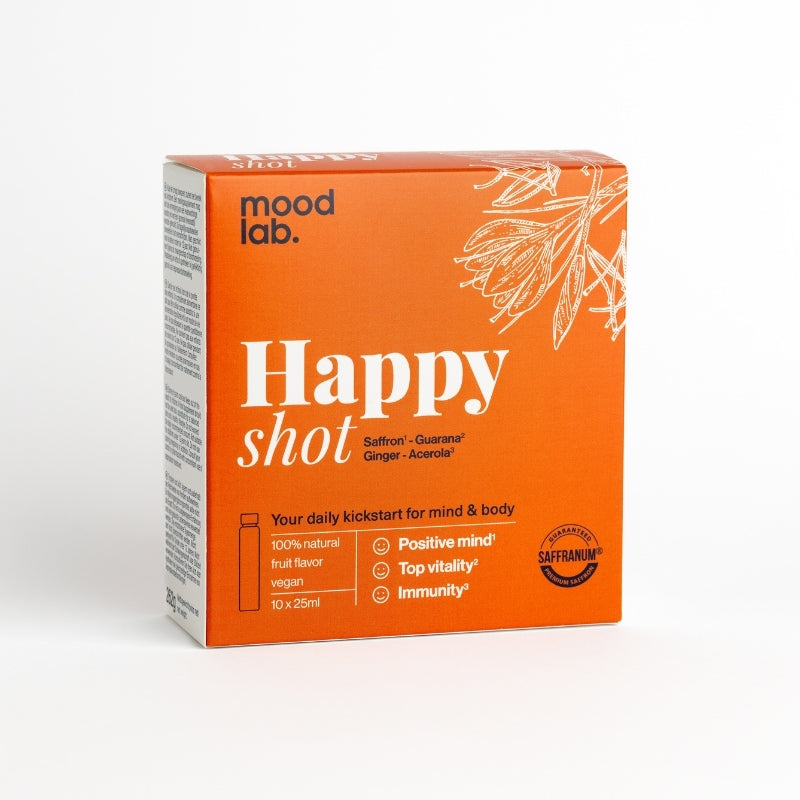
B vitamins are involved in nutrient metabolism and energy release processes. It is useful to have laboratory tests done to see if you are deficient in these vitamins. Fatigue is often felt with a deficiency of vitamin B12, but if you get enough B vitamins from your diet, taking these supplements will likely not have a significant effect. People who like energy drinks should pay special attention. These drinks are full of B vitamins, sometimes their norms even exceed safe limits, and they also contain caffeine, which itself does not provide energy but acts as a stimulant, so it may seem that more energy appears. And for some, it can even work in reverse – just as energy rises quickly, it then disappears quickly and causes drowsiness. It is also not recommended to drink energy drinks because they can increase blood pressure or even damage the kidneys and liver.
Vitamin C is very important not only for the immune system but also for energy production. It is not a direct source of energy but plays an important role in the body's metabolic processes. Vitamin C helps reduce fatigue, allows for better iron absorption, supports adrenal function, and protects cells from oxidative stress. This vitamin is water-soluble, and its excess is excreted in the urine. The most important thing is not to consume excessively high doses (more than 2000 mg per day), as side effects such as digestive problems, nausea, or even the risk of kidney stones can occur.
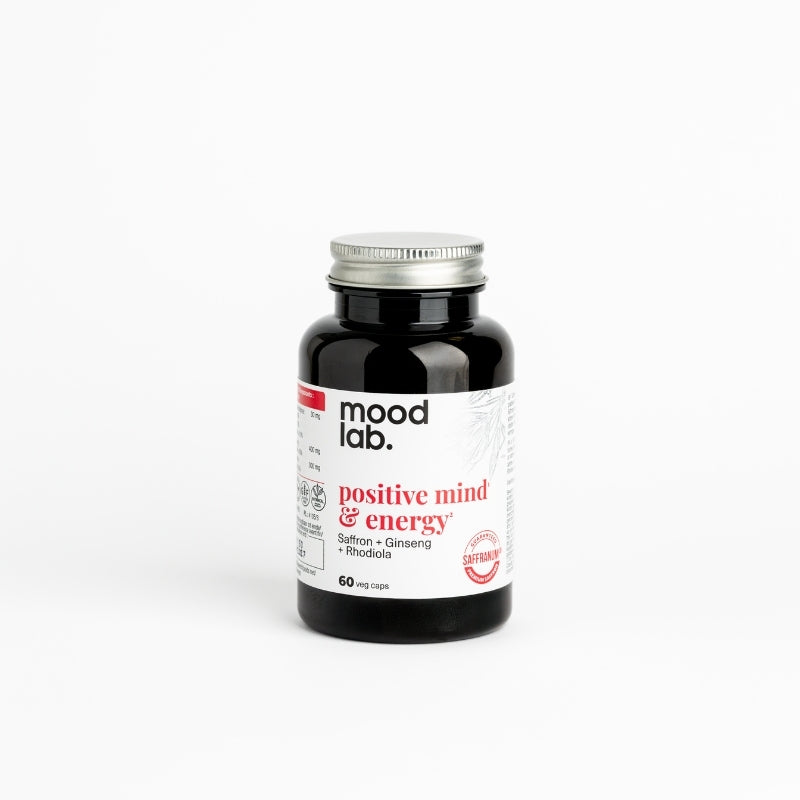
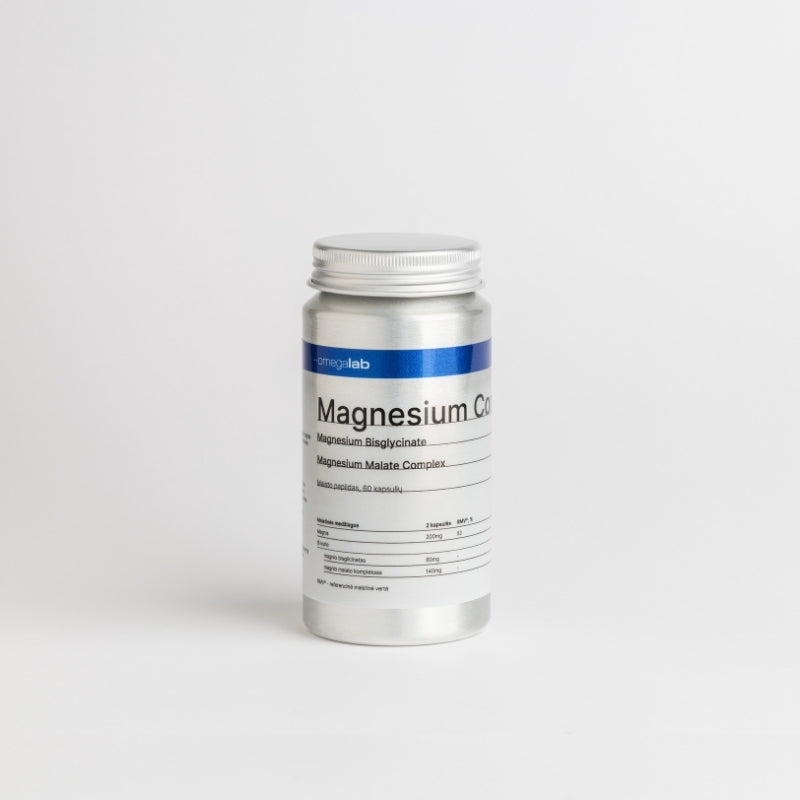
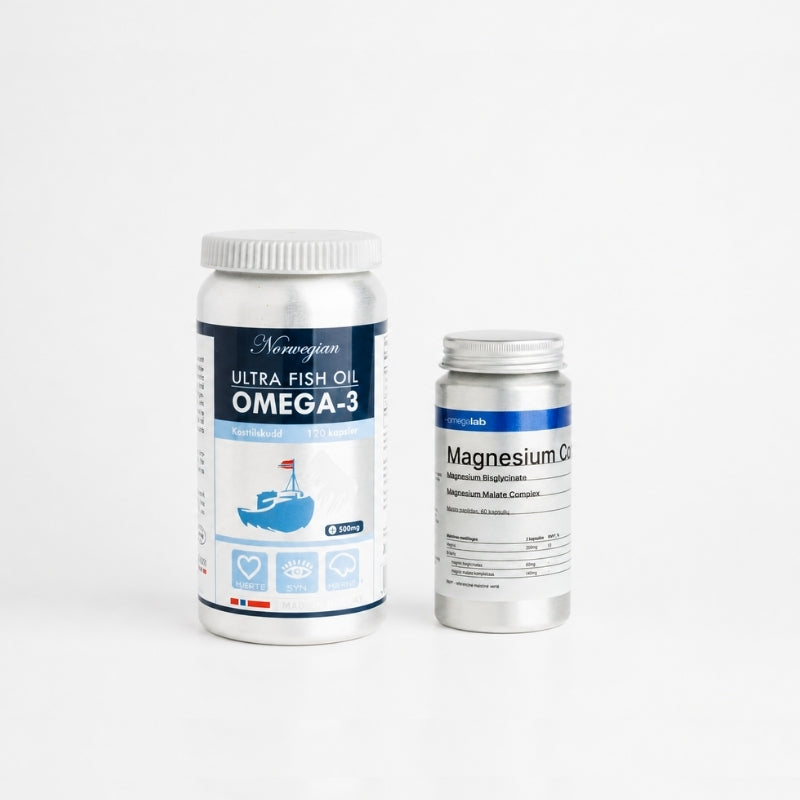
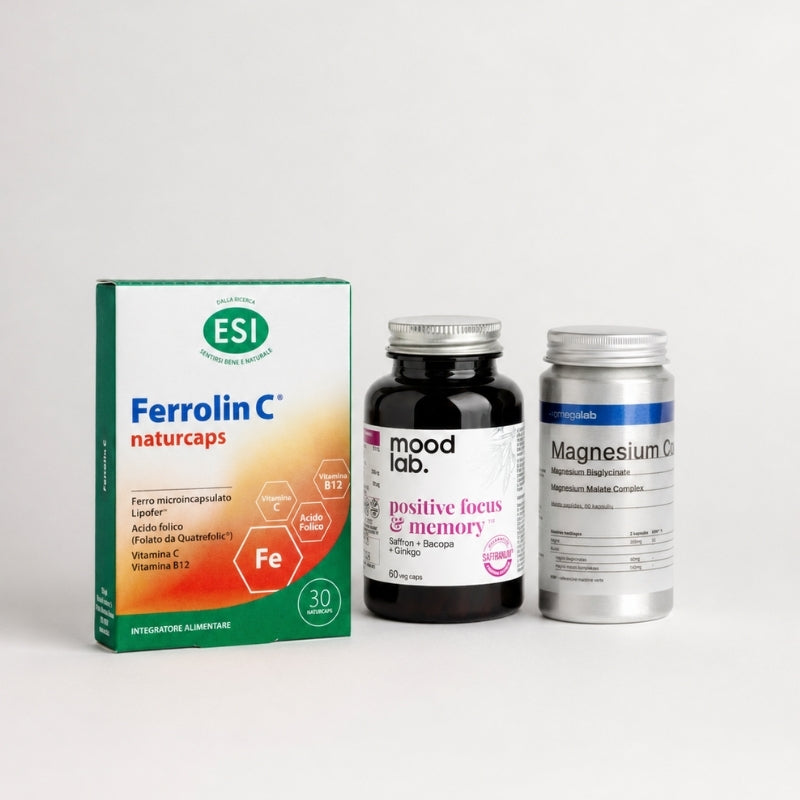
Magnesium is also a very important micronutrient when it comes to energy metabolism processes. Magnesium deficiency can lead to fatigue and affect poorer sleep quality.
Selenium is an essential mineral with antioxidant properties that helps fight oxidative stress in the body, which often causes feelings of fatigue. This mineral also participates in thyroid function regulation, immune system functions, and can help maintain energy levels. Selenium deficiency can be associated with fatigue, weakness, and decreased performance.
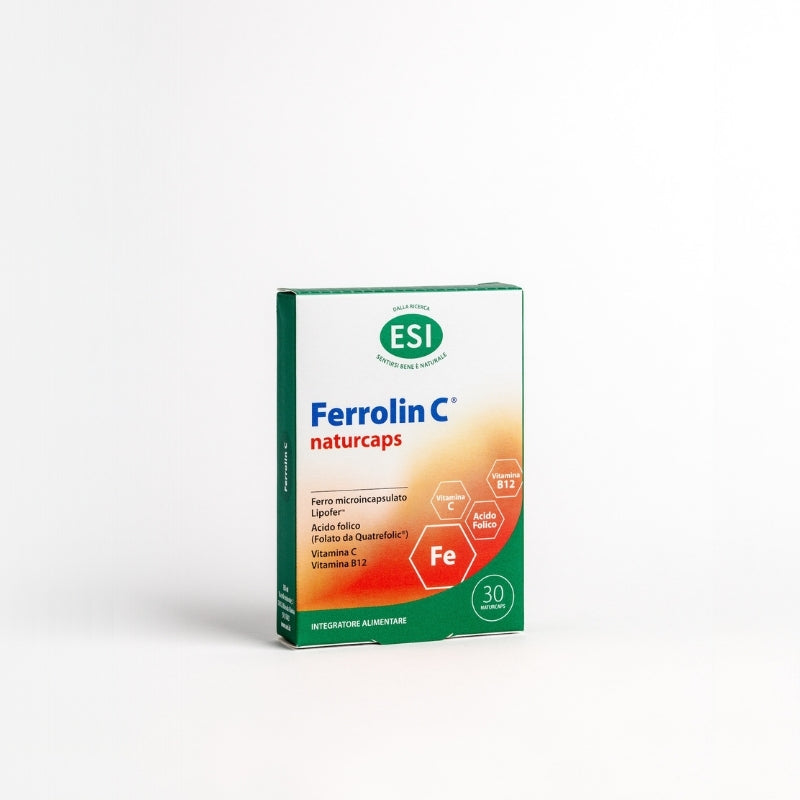
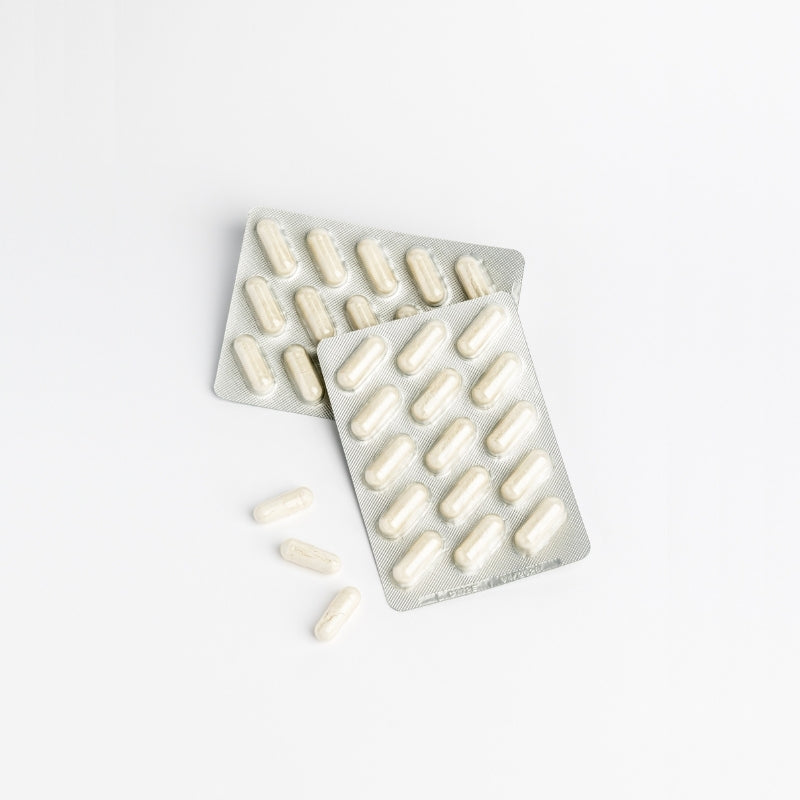
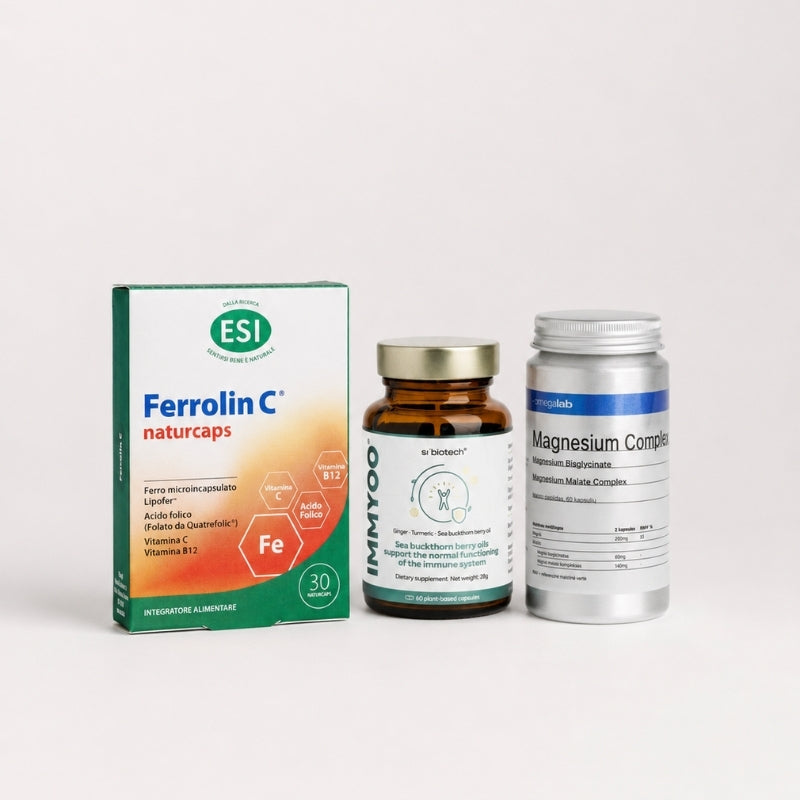
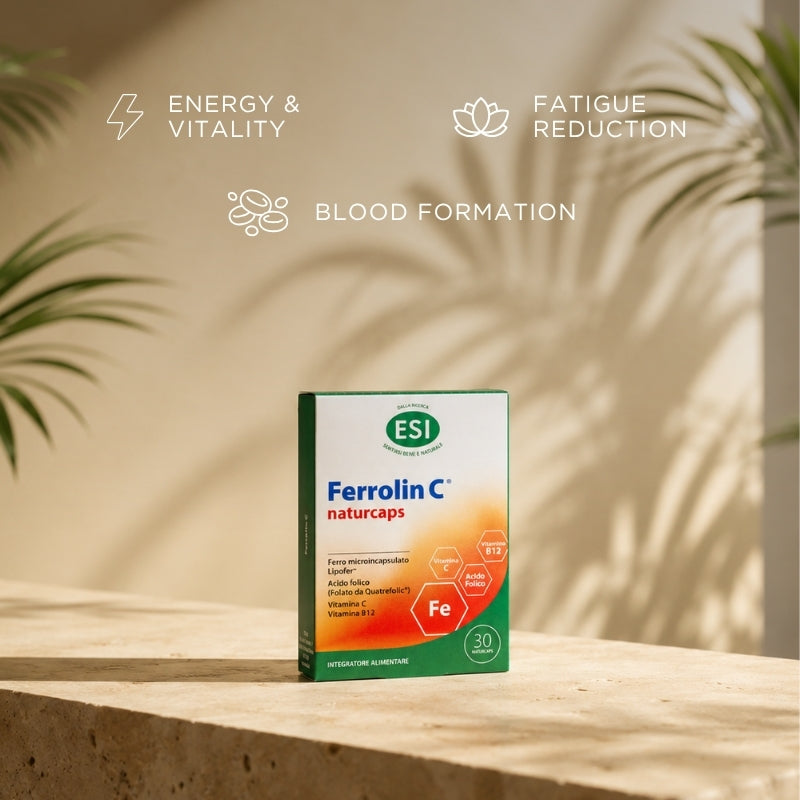
Iron is a key micronutrient in the human body. It is involved in the production of red blood cells (erythrocytes). Erythrocytes contain hemoglobin, responsible for supplying oxygen to every cell in the body. In case of iron deficiency, cells begin to lack oxygen, fatigue is felt, and anemia develops. Food supplements help combat this. Interestingly, these supplements are very effective for women who have not been diagnosed with anemia but suffer from fatigue due to low ferritin (iron reserves in the body) levels. Iron supplements can help successfully restore iron reserves.
Other supplements that may help reduce fatigue:
-
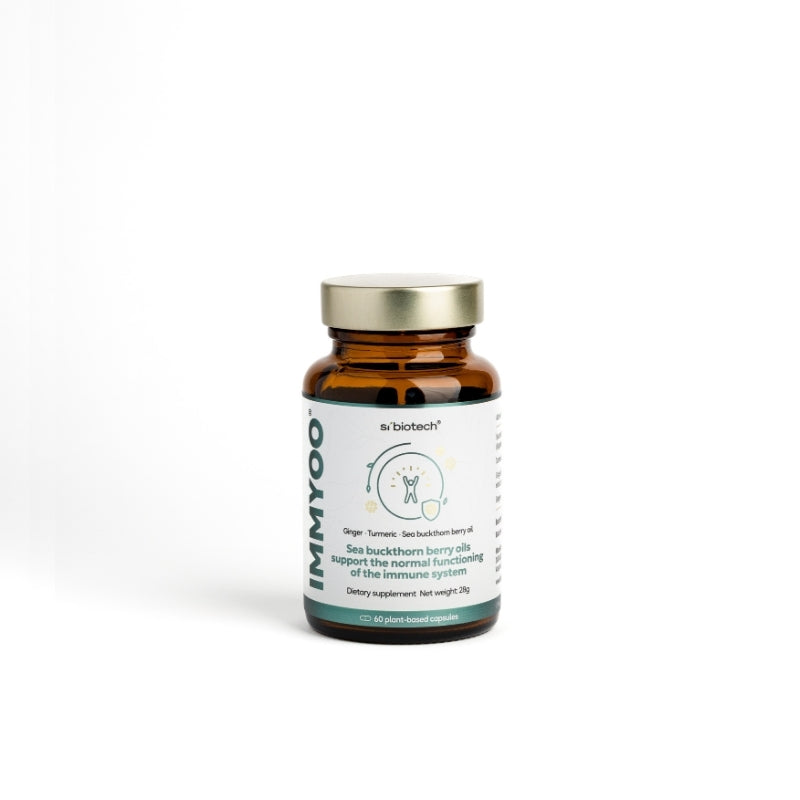
Curcumin (from turmeric). may help reduce fatigue in older adults.
-
Cocoa flavanols. One study found that cocoa flavanols may temporarily improve well-being and help reduce fatigue, although they did not improve cognitive or physical performance.
-
Melatonin or other sleep supplements. Can be beneficial for people whose fatigue is caused by sleep disturbances. If you take high doses of vitamin D, they may reduce natural melatonin production.
-
Ginseng. A popular supplement traditionally used to support energy levels. Some studies suggest it may help reduce fatigue in healthy individuals and may also be beneficial for people undergoing cancer treatment.
-
Energy bars. A convenient source of energy for those who don't have time for a meal. However, choose them carefully, as some products are high in added sugar or contain sweeteners that may cause digestive discomfort.
Energy supplements that can reduce fatigue in specific health conditions:
-
Coenzyme Q10 (CoQ10). Involved in cellular energy production and can reduce fatigue in people with heart failure. CoQ10 can also increase feelings of vitality in older adults. It is important to know that taking this supplement in the evening can cause insomnia in some people.
-
Ashwagandha. Can help reduce fatigue in middle-aged individuals suffering from moderate to severe anxiety.
-
American ginseng. Can help increase energy levels in cancer patients experiencing significant fatigue.
Which vitamins for energy are best according to gender, age, and lifestyle?
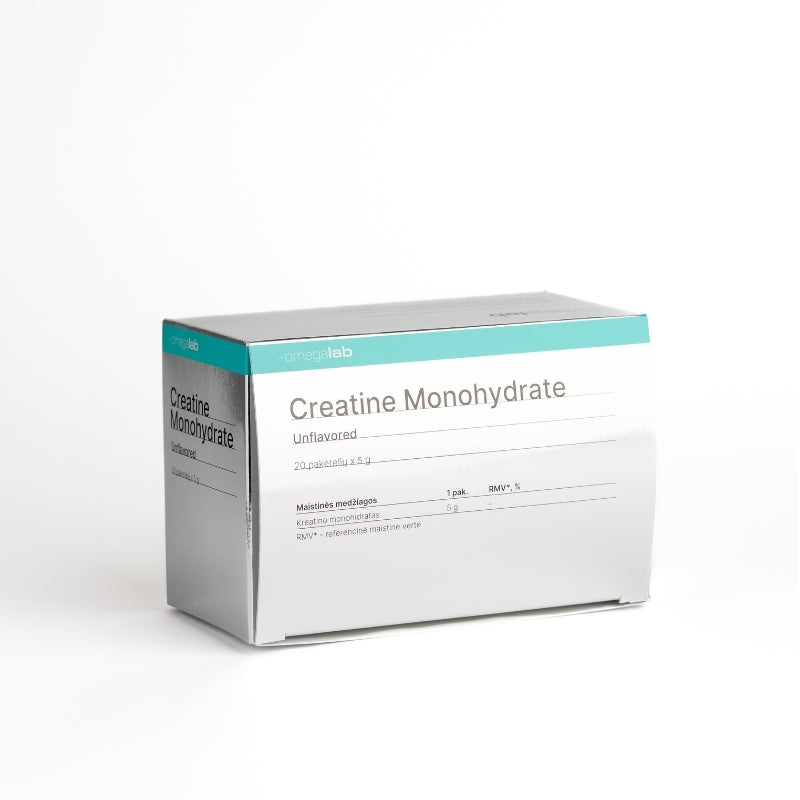
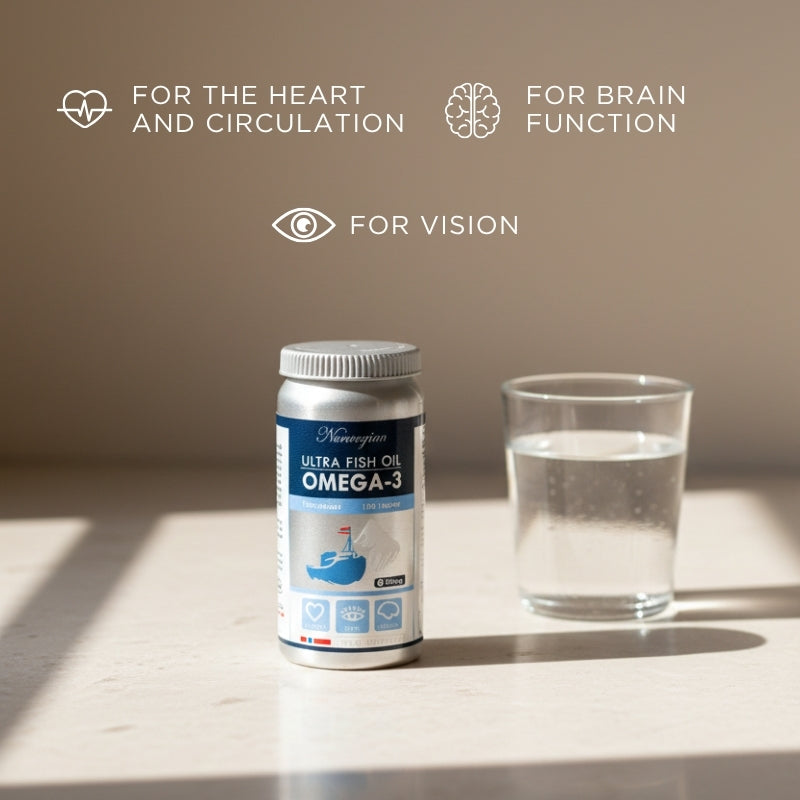
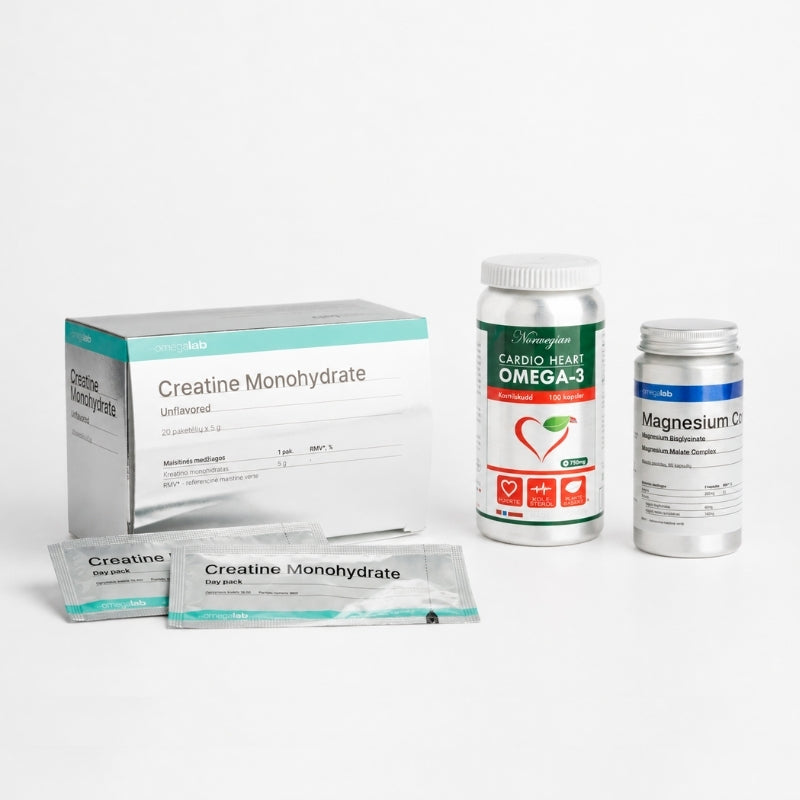
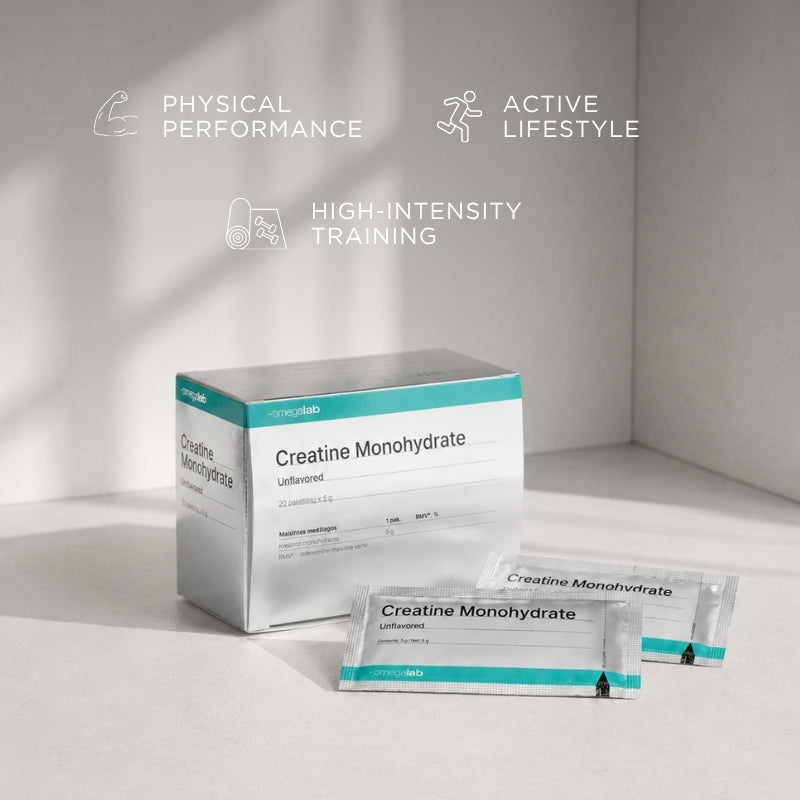
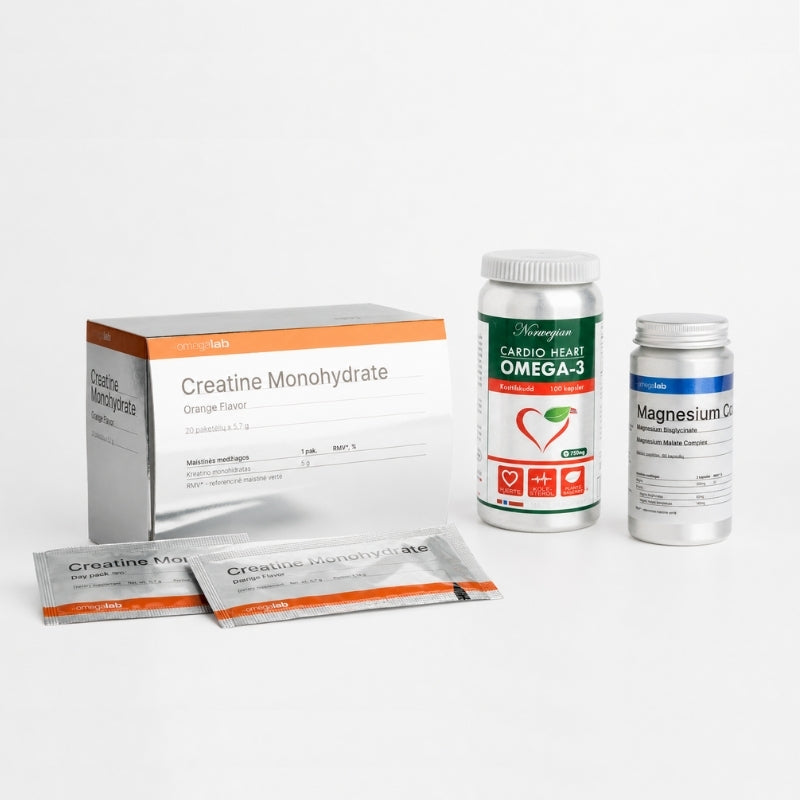
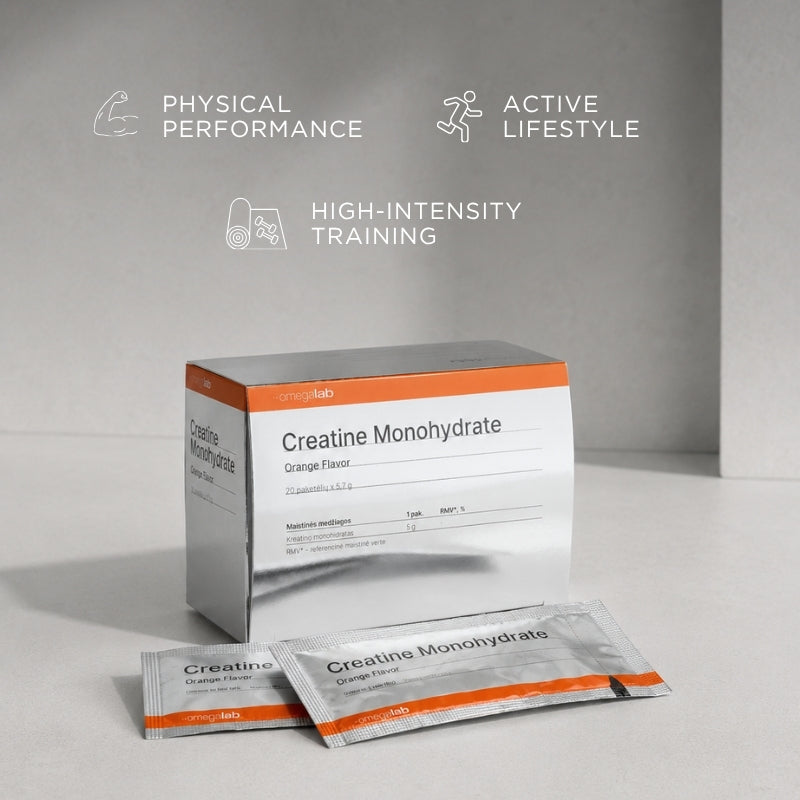
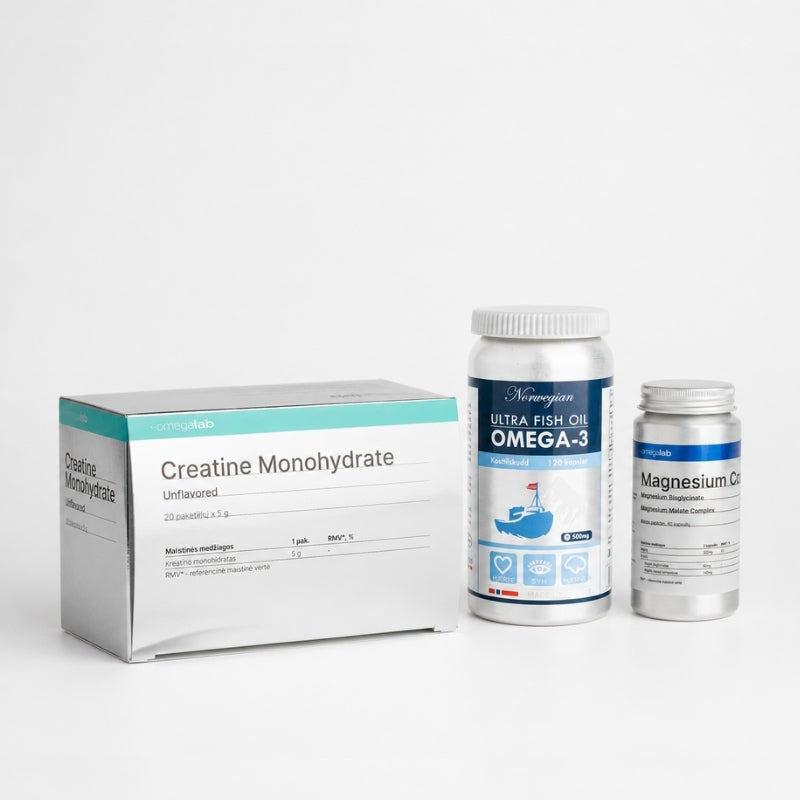
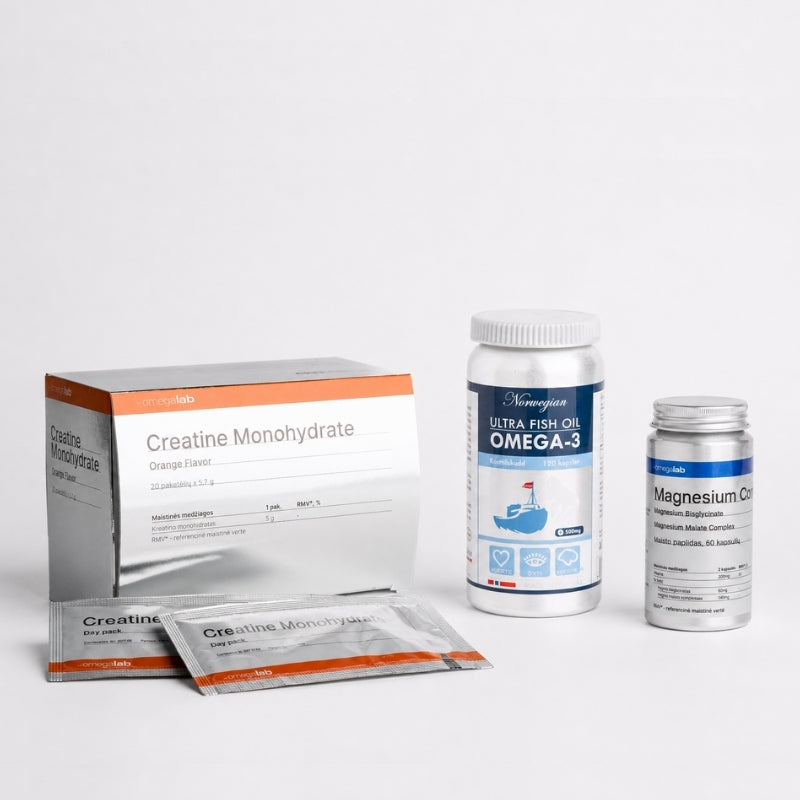
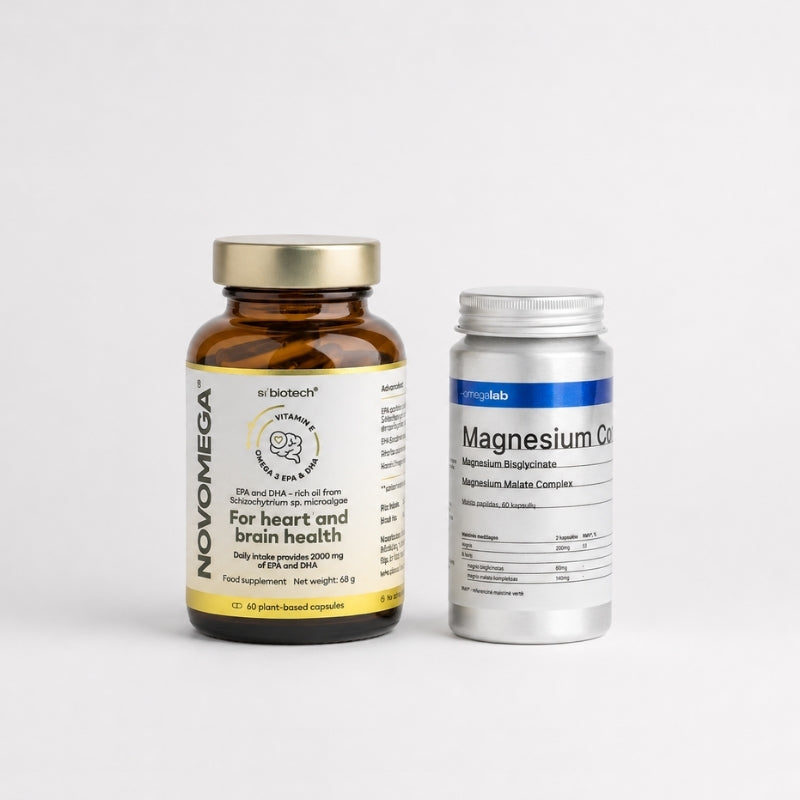
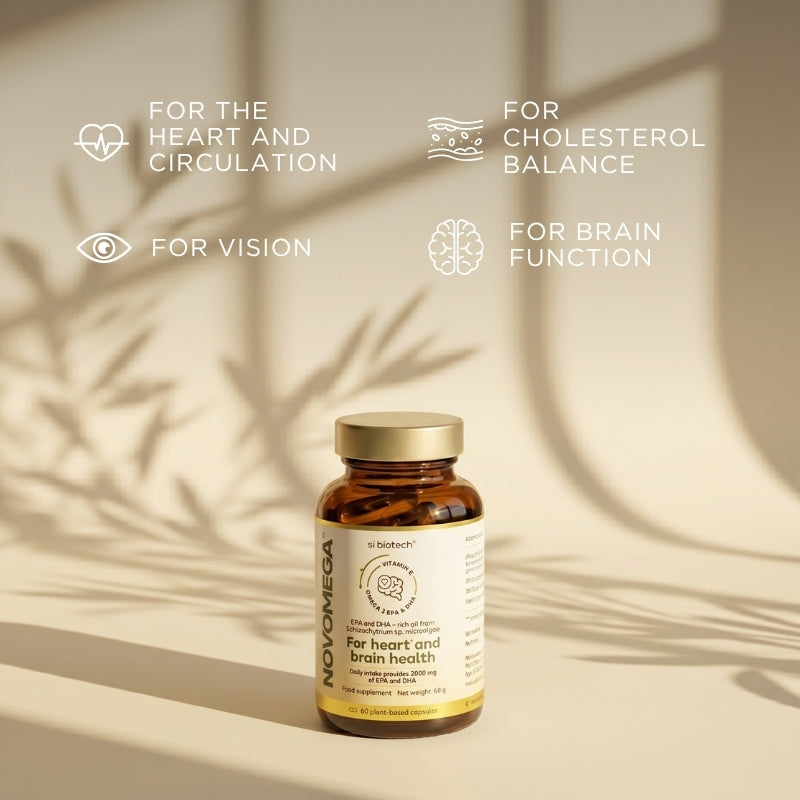
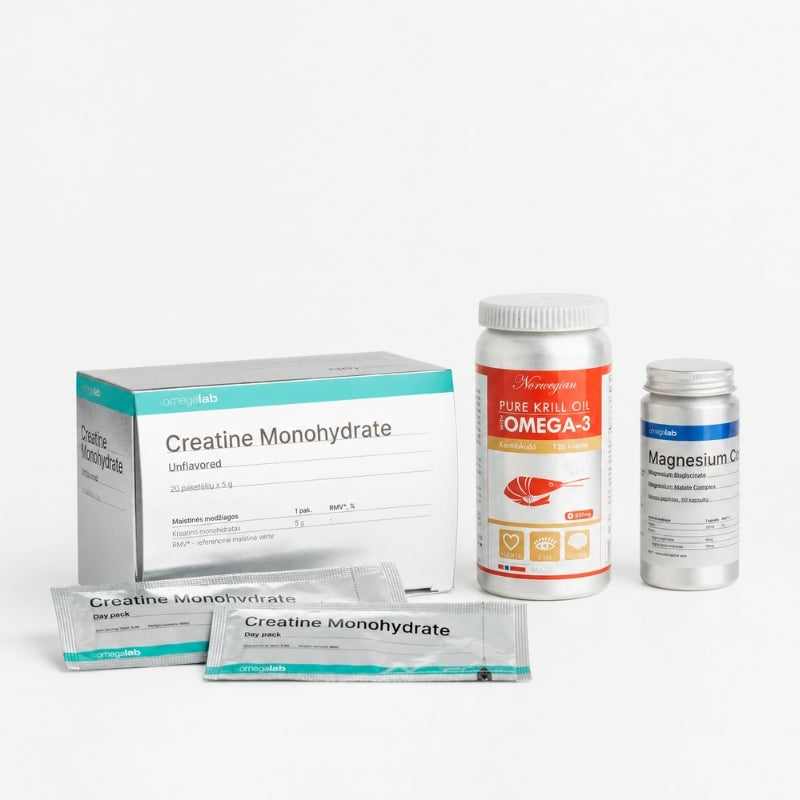
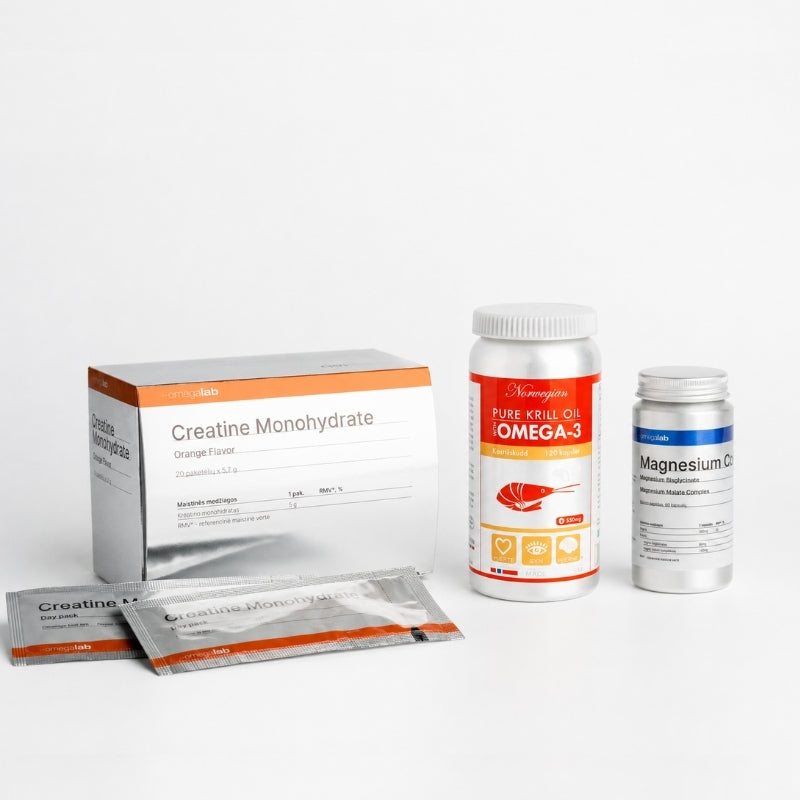
For women, the following vitamins for energy are especially important: B12, folic acid (vitamin B9), C, D, and, if necessary, iron supplements. For men, the following food supplements are recommended: B6, B12, C, and D. Active individuals can choose creatine, BCAA (branched-chain amino acids), coenzyme Q10, and B vitamins. Seniors often lack various nutrients, so it is beneficial for them to additionally take magnesium, vitamin D, B12, and coenzyme Q10. Also, everyone without exception is recommended to consume Omega-3 fatty acids. Before taking food supplements, consult your doctor.
How and when should you take energy supplements?
How do you know if an energy supplement is right for you?
When choosing energy supplements, it's important to look beyond the ingredient list. Choose products that are manufactured in accordance with Good Manufacturing Practice (GMP) standards and made using high-quality, certified ingredients sourced from countries with strict quality regulations. It's also worth researching the manufacturer and selecting supplements from reputable companies that follow rigorous quality control standards.
To assess whether an energy supplement is working for you, pay attention to how you feel. Have your energy levels improved? Do you feel less tired throughout the day? Monitor any changes—both positive and negative. The benefits of dietary supplements are not always immediate, and it may take several weeks or even months to notice an effect. If you experience unwanted symptoms such as nausea, headaches, stomach discomfort, or an allergic reaction after taking a supplement, discontinue use and consult your healthcare provider. These symptoms may indicate that the supplement is not suitable for you.
Read less