
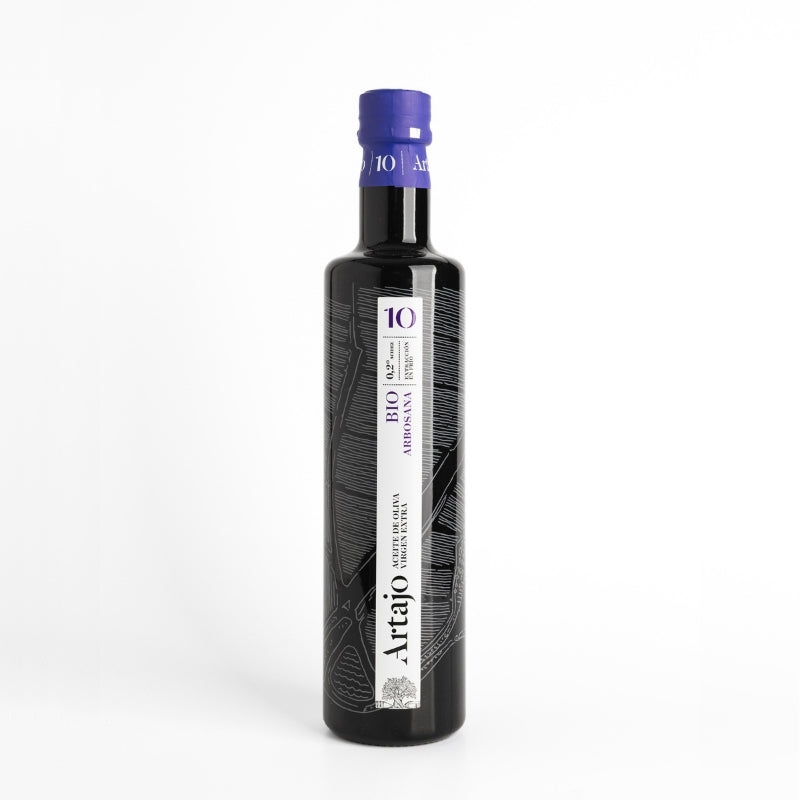
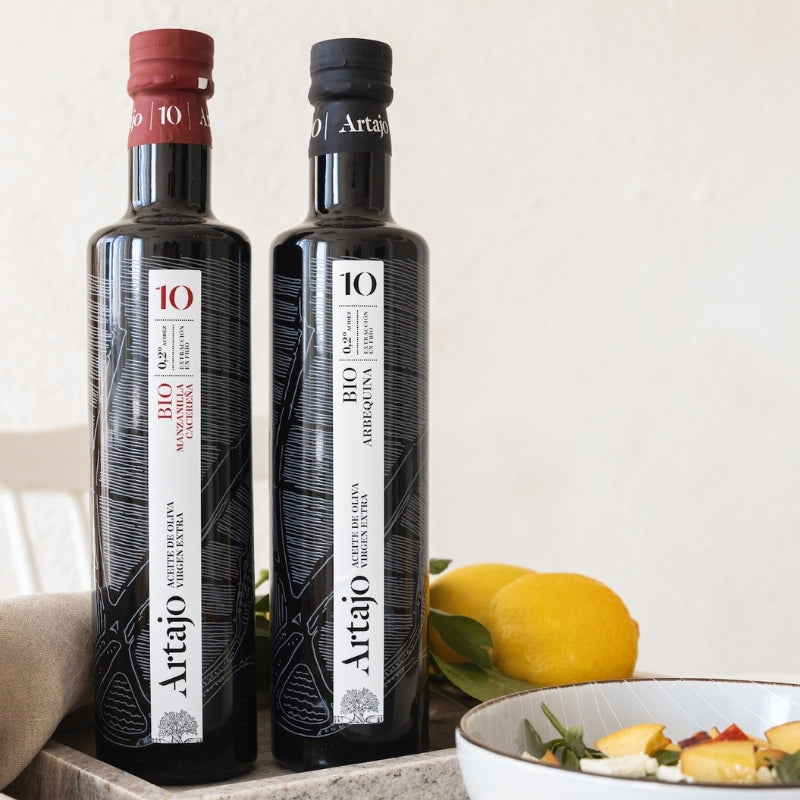
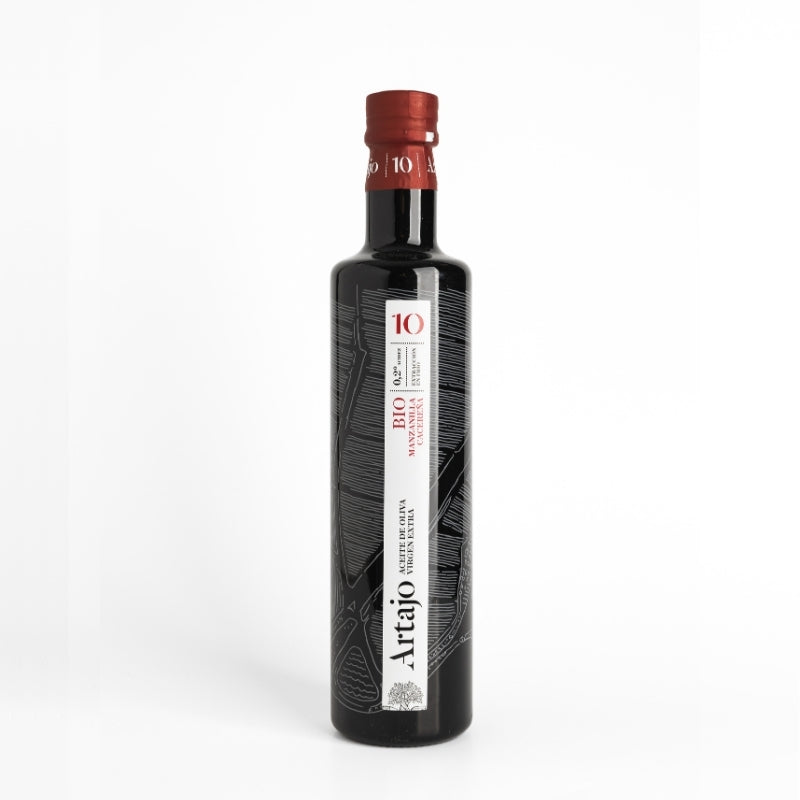
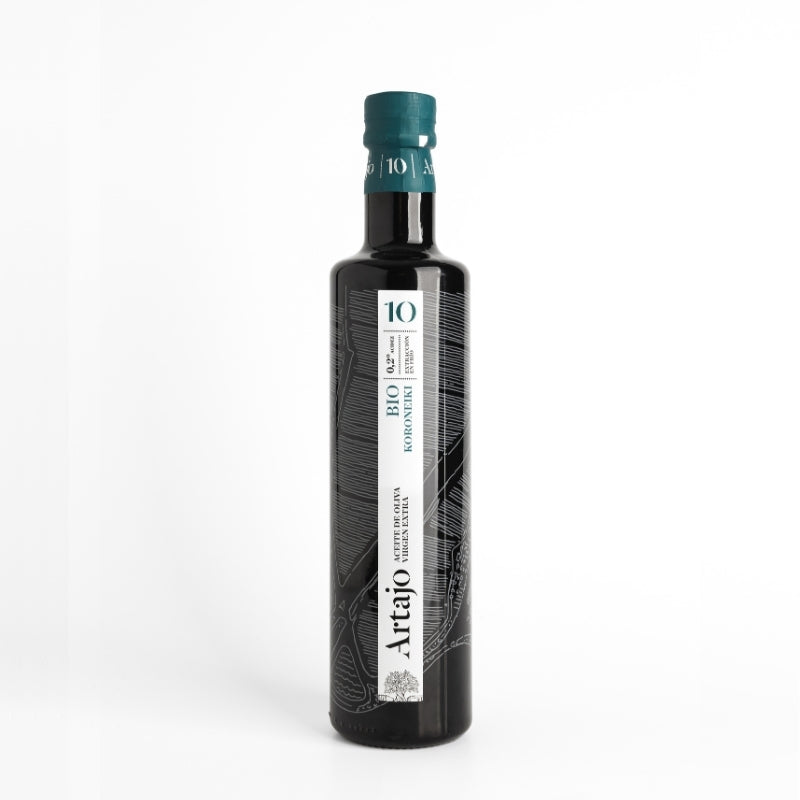

Spanish olive oil
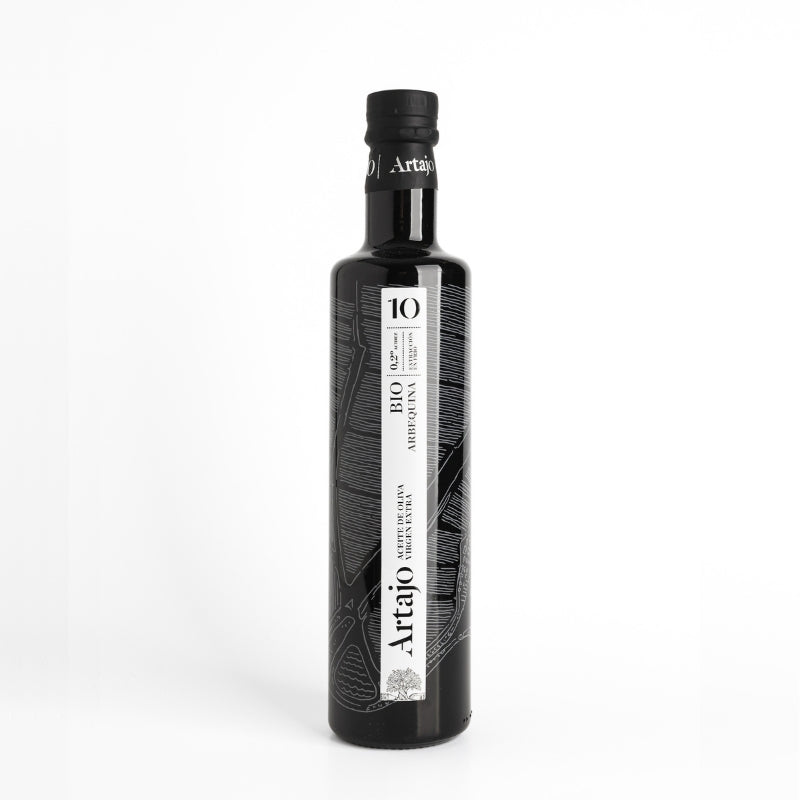
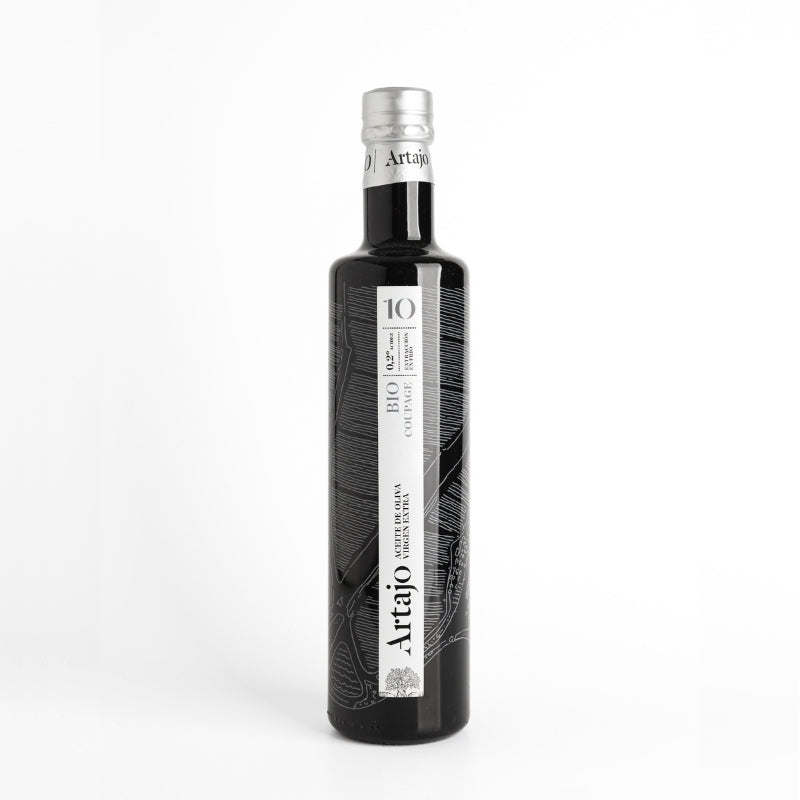
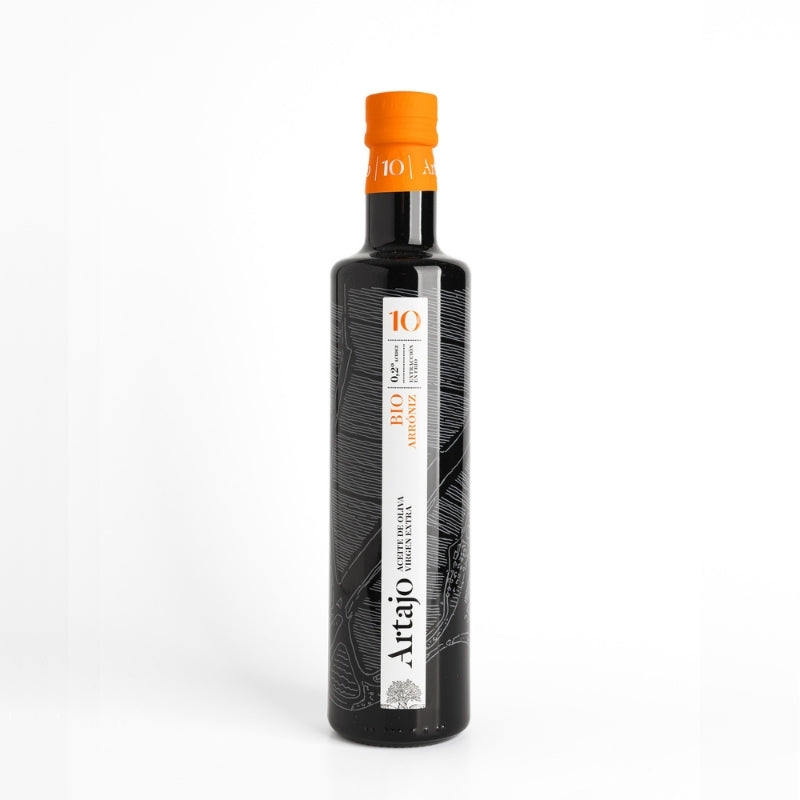
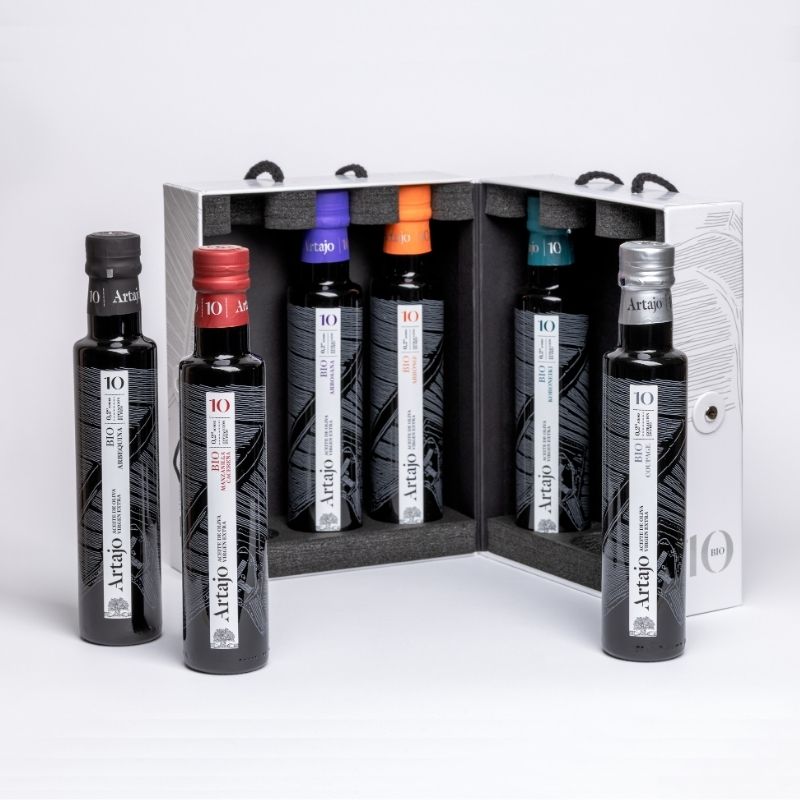
The history of "Artajo" olive oil began in the mid-18th century in Tudela, Spain, when the Artajo family started producing olive oil and wine. Due to market changes and severe frosts, production ceased in 1960 and was only revived in 1998 in Navarre, with the planting of 85,000 Arbequina olive trees. Today, the "Artajo" brand has more than 200,000 olive trees, produces organic, premium olive oil, and has won numerous international awards.
"Artajo" Spanish olive oil, like other extra virgin olive oils, is a valuable source of fat, characterized by a high content of monounsaturated, "healthy" fats due to its rich oleic acid concentration. It is also rich in antioxidant polyphenols. It is a single-varietal extra virgin olive oil, which means that only a specific olive variety is used exclusively for the production of each product. Such oils are a minority in the market.
What are the benefits of extra virgin olive oil?
Replacing saturated fats with high-quality extra virgin olive oil has been associated with lower blood pressure, lower total and LDL ("bad") cholesterol levels, and a reduced risk of cardiovascular disease. Some studies also suggest that olive oil may help improve insulin sensitivity and support healthy blood glucose levels. Regular consumption has also been linked to a lower risk of developing Alzheimer's disease, Parkinson's disease, and certain types of cancer.
Extra virgin olive oil is valued not only for its rich flavor but also for its nutritional benefits. It helps the body absorb fat-soluble vitamins and other essential nutrients more effectively. In addition, olive oil is widely used in skincare and hair care, making it a versatile addition to both a healthy diet and a personal care routine.
What are the health benefits of extra virgin olive oil?
Extra virgin olive oil is a valuable product with many beneficial, research-backed health properties:
-
Cardiovascular system support. Replacing saturated fats with extra virgin olive oil may help lower blood pressure, reduce total and LDL ("bad") cholesterol levels, and increase HDL ("good") cholesterol. Consuming as little as two tablespoons per day has been associated with a lower risk of cardiovascular disease, including coronary heart disease.
-
Reduced cancer risk. Regular consumption of extra virgin olive oil has been associated with a lower risk of cancer-related mortality, particularly from breast and prostate cancer.
-
Weight control. Including extra virgin olive oil in a balanced diet may help support healthy weight management. Studies suggest that people with obesity may lose more body fat when replacing refined vegetable oils (such as sunflower or soybean oil) with extra virgin olive oil. It may also help regulate hormones involved in insulin release and feelings of fullness, supporting appetite control.
-
Blood sugar and insulin regulation. Extra virgin olive oil may help reduce the risk of developing type 2 diabetes. It may also support healthy blood glucose control in people with both type 1 and type 2 diabetes. The oleic acid naturally found in olive oil may help improve insulin sensitivity and support healthy blood sugar levels.
-
Reduced stomach acidity. For some people, consuming a small amount of olive oil after a meal may help reduce symptoms of heartburn.
-
Improved digestive system function. Olive oil stimulates bile production, may help relieve constipation, and supports overall digestive health.
-
Liver function support and prevention of fatty liver. Regular consumption of extra virgin olive oil has been associated with a lower risk of metabolic dysfunction-associated steatotic liver disease (MASLD). In people with the condition, it may also support healthy weight management as part of a balanced diet and healthy lifestyle.
-
Bone strengthening and reduced fracture risk. Regular consumption of extra virgin olive oil may help support bone health. Some studies suggest it may be associated with a lower risk of fractures in older adults.
-
Pain and inflammation reduction. Oleocanthal (one of the phenolic compounds found in olive oil) has a similar anti-inflammatory effect to ibuprofen, but in smaller quantities.
-
Improved mood and reduced symptoms of depression. The Mediterranean diet, which includes Spanish olive oil or other extra virgin olive oils, can significantly reduce symptoms of depression.
-
Improved memory and cognitive function. Olive oil can slightly improve cognitive function for some people.
-
Antioxidant protection. The polyphenols and vitamin E in olive oil act as powerful antioxidants, fighting free radicals and reducing oxidative stress and inflammation in the body. This also helps strengthen the immune system.
-
Increased blood testosterone levels. This is relevant for men's reproductive health, energy, and muscle mass.
What are the beauty benefits of olive oil?
Although extra virgin olive oil is best known for its culinary and health benefits, its uses extend far beyond the kitchen. Thanks to its naturally nourishing, soothing, and moisturizing properties, it is also widely used in skincare and hair care. Olive oil can help keep the skin soft and hydrated while supporting healthy-looking hair, making it a versatile addition to any beauty routine.
Benefits of olive oil for skin
Extra virgin olive oil has long been valued as a natural beauty secret, particularly in Mediterranean cultures, and it continues to be widely used in modern skincare. Rich in antioxidants, vitamins, and healthy fatty acids, it helps nourish, protect, and support the skin's natural barrier. It may also help slow the visible signs of skin aging, improve skin elasticity, and soothe minor irritation or dryness.
-
Acts as a natural moisturizer for dry skin.
-
Suitable for makeup removal.
-
Suitable for making lip balms or body scrubs (mixed with sugar or coffee).
-
Can be used as a nail cuticle softener and nail strengthener.
Benefits of olive oil for hair
Olive oil is a natural remedy that helps you enjoy stronger, healthier, and shinier hair. It deeply nourishes both the scalp and hair. Regular use helps restore damaged hair ends, reduce hair breakage, and get rid of dandruff. Olive oil is an indispensable product both in winter and after intense sun exposure in summer.
-
Used as a hair mask or conditioner – nourishes dry, damaged hair, giving it elasticity and shine.
-
Can reduce hair loss and promote hair growth.
-
Helps reduce frizz, making hair soft and smooth.
-
Suitable for moisturizing dry scalp and reducing dandruff.
-
Can be used as heat protection before blow-drying or straightening hair.
What determines the price of olive oil?
The price of olive oil depends on several key factors, including the olive variety, country of origin (such as Spain, Greece, or Italy), extraction method (extra virgin, first cold-pressed olive oil is typically more expensive), harvest timing, production quality, and certifications. Packaging also plays an important role—dark glass bottles help protect the oil from light and preserve its quality. High-quality extra virgin olive oil generally costs more than refined or blended oils, reflecting its superior quality, purity, and production standards.
What to look for when choosing truly high-quality olive oil?
Unfortunately, the purity and quality of olive oil are difficult to determine solely from its appearance or taste. It is important to analyze labels or read product descriptions online. First, you should avoid "extra virgin" olive oil whose label states that it is a blend of olive oils from the European Union. Such oil is usually not of high quality, even if it has the "extra virgin" designation. It is better to look for olive oil made from a specific olive variety, marked with Protected Designation of Origin (PDO) and sourced from a single, well-regarded farm.
Look for a certification mark on the product label – it indicates that the oil meets important quality standards. Quality marks are issued by organizations such as USDA, NAOOA, COOC, EVA. Also, choose oil that has the harvest date indicated and is packaged in dark glass or tin containers. This protects it from light and heat. To keep purchased olive oil fresh for as long as possible, store it in a dark and cool place. There is no need to put it in the refrigerator unless you plan to store it for more than a year. Frequent removal and return to the refrigerator can harm the quality of the product.
A few more helpful tips
-
Consuming very large amounts of olive oil (four tablespoons or more per day) may not provide greater benefits than consuming moderate amounts as part of a balanced, plant-rich diet.
- Extra virgin olive oil is perfect for salad dressings, stews, spreads, and even desserts. It can also be enjoyed on its own—about 1–2 tablespoons per day. To preserve its beneficial nutrients, avoid exposing it to excessively high temperatures.
-
If you do use olive oil for cooking, there are simple ways to help retain more of its beneficial properties. Cook at the lowest practical temperature and add the oil toward the end of the cooking process whenever possible.