Microalgae
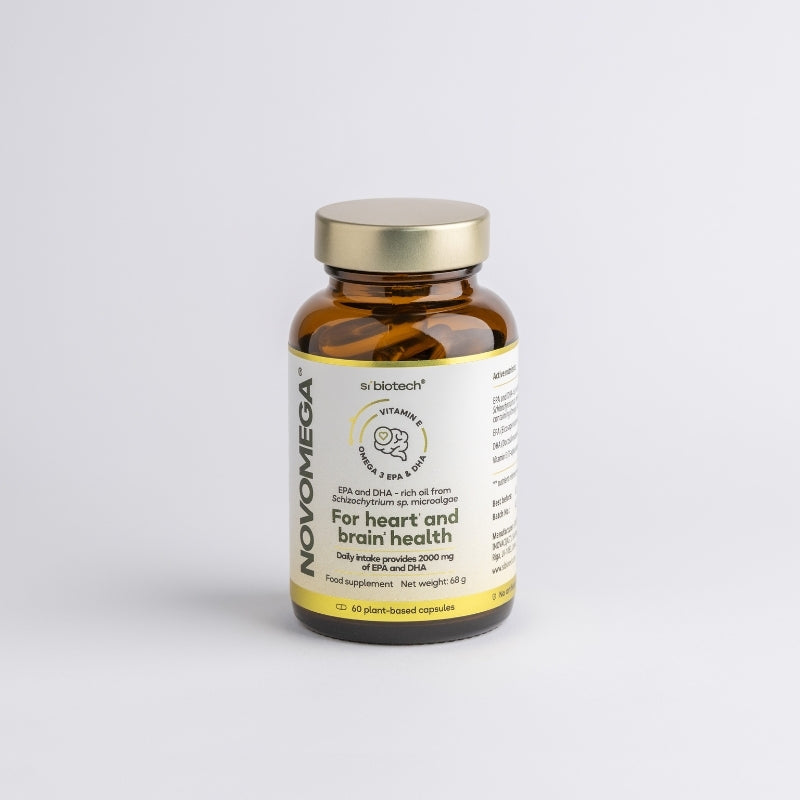
Microalgae are microscopic organisms that grow naturally in water. Certain species are prized as a plant-based source of omega-3 fatty acids (EPA and DHA) and are used to make food supplements — a popular alternative to fish oil for anyone who wants their omega-3 from a non-fish source.

What are the benefits of microalgae?
-
Some microalgae species are a natural source of omega-3 fatty acids (EPA and DHA)
-
Support immune function thanks to their rich vitamin and antioxidant content
-
Act as antioxidants that help protect cells from oxidative damage
-
Help maintain energy levels and may reduce fatigue
-
Support healthy digestion and overall body balance
-
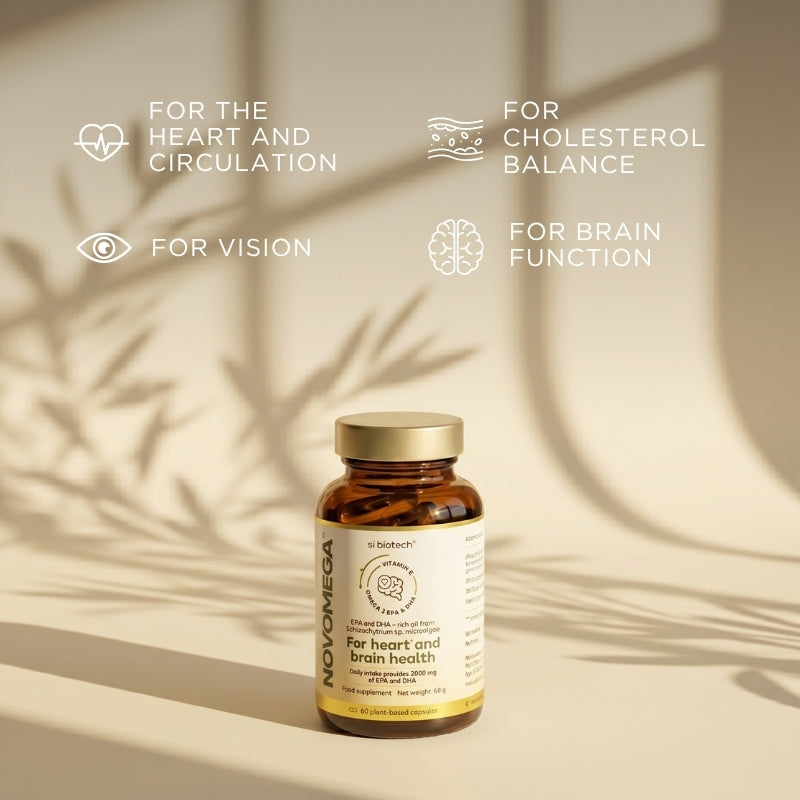
May help support normal heart and blood vessel function
Possible signs of insufficient microalgae intake:
Microalgae may be worth considering when your body is lacking key nutrients, which can show up as:
-
Lower energy levels and persistent fatigue
-
A weaker immune system and more frequent colds
-
Not enough protein or micronutrients in your diet
-
Digestive imbalance or sluggish gut function
-
Worsening skin condition or reduced resistance to environmental stressors
Natural sources of microalgae
Microalgae grow naturally in both fresh and salt water, where they develop through photosynthesis. What determines their growth isn't geography but the right conditions — light, temperature, and nutrients. The microalgae most commonly used in supplements, such as spirulina and chlorella, are cultivated under controlled conditions and sold as powders, tablets, or capsules.
Recommended microalgae dosage
The recommended daily amount of microalgae typically ranges from 1 g to 5 g, depending on the product's form and concentration. The right dose should be worked out individually, taking into account your needs, diet, and overall health.
Possible side effects of microalgae and interactions with medications
Microalgae are generally well tolerated, though some people may experience mild digestive discomfort. They can also interact with blood-thinning medications and immune-modulating drugs, and their iodine content may affect thyroid function. It's a good idea to talk to your doctor before use, especially if you take medication regularly or have an existing health condition.