Probiotics
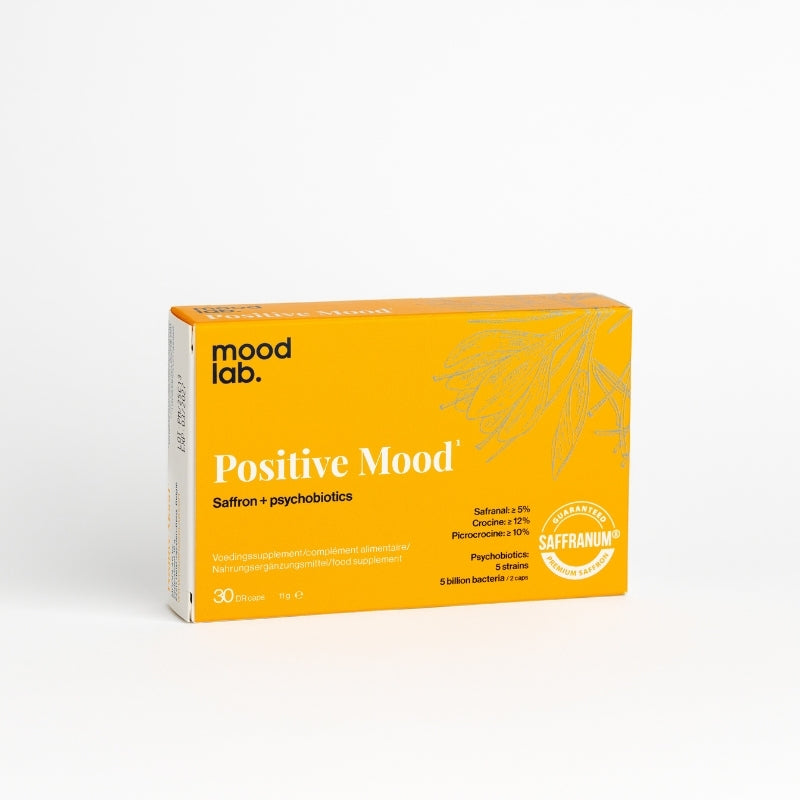
Probiotics are beneficial bacteria that help maintain healthy gut flora and support digestive balance. Some of them, known as psychobiotics, also influence brain activity, mood, and the nervous system.

What are the benefits of probiotics?
-
Some strains, known as psychobiotics, have a positive effect on mood and the nervous system
-
Support healthy gut flora
-
Improve digestion and nutrient absorption
-
May help reduce diarrhea and bloating
-
Strengthen immune system function
-
Support skin health and overall well-being
Possible signs of insufficient probiotic intake:
-
Increased anxiety or low mood
-
More frequent digestive issues (bloating, diarrhea, constipation)
-
Weakened immunity and more frequent colds
-
Skin problems (breakouts, rashes, eczema flare-ups)
-
Stronger cravings for sweets and fast food
-
Low energy and persistent fatigue
Natural sources of probiotics
Probiotics occur naturally in fermented foods such as sauerkraut, kefir, yogurt, kimchi, and kombucha. As supplements, they're most commonly available as capsules, powders, or liquid drops.
It's also worth noting that omega-3 supplements and extra virgin olive oil help support a healthy balance of beneficial bacteria in the gut.
Recommended daily dose of probiotics
The recommended daily dose of probiotics typically ranges from 1 to 10 billion CFU (colony-forming units) of viable bacteria. Some supplements contain higher concentrations, but the right dose should be chosen individually, based on a person's needs and health condition.
Possible side effects of probiotics and interactions with medications
Probiotics are generally well tolerated, though some people may temporarily experience gas, bloating, or other mild digestive discomfort when they first start taking them. If you're taking bacteria-based probiotics alongside antibiotics, it's generally recommended to space the doses about 2 hours apart, since the antibiotic can affect the bacteria in the supplement. This doesn't apply to yeast-based probiotics, such as Saccharomyces boulardii. People who are seriously ill or have a weakened immune system should consult a doctor before taking probiotics.