Sea buckthorn
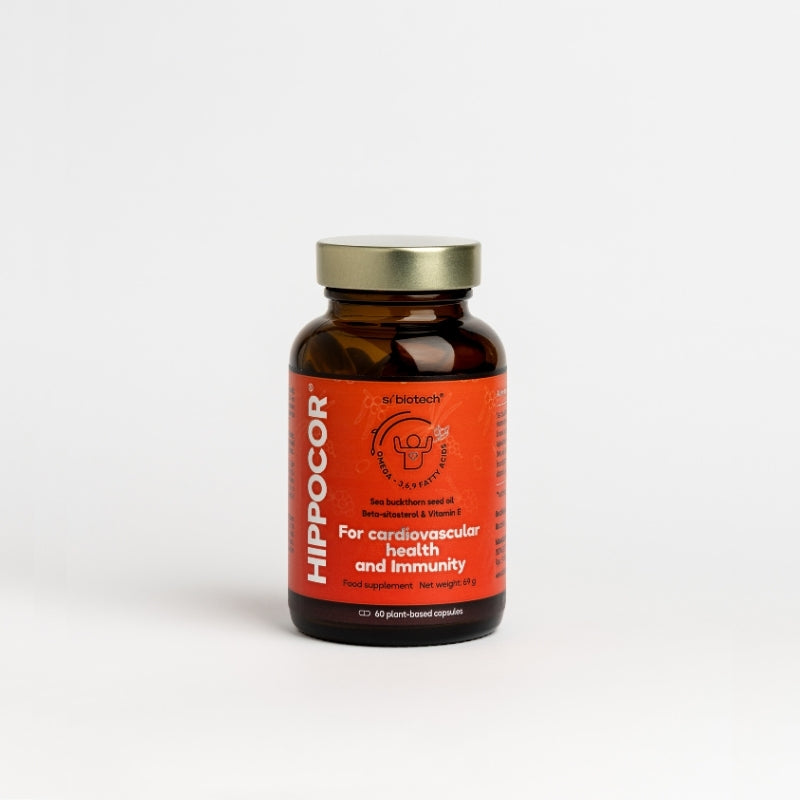
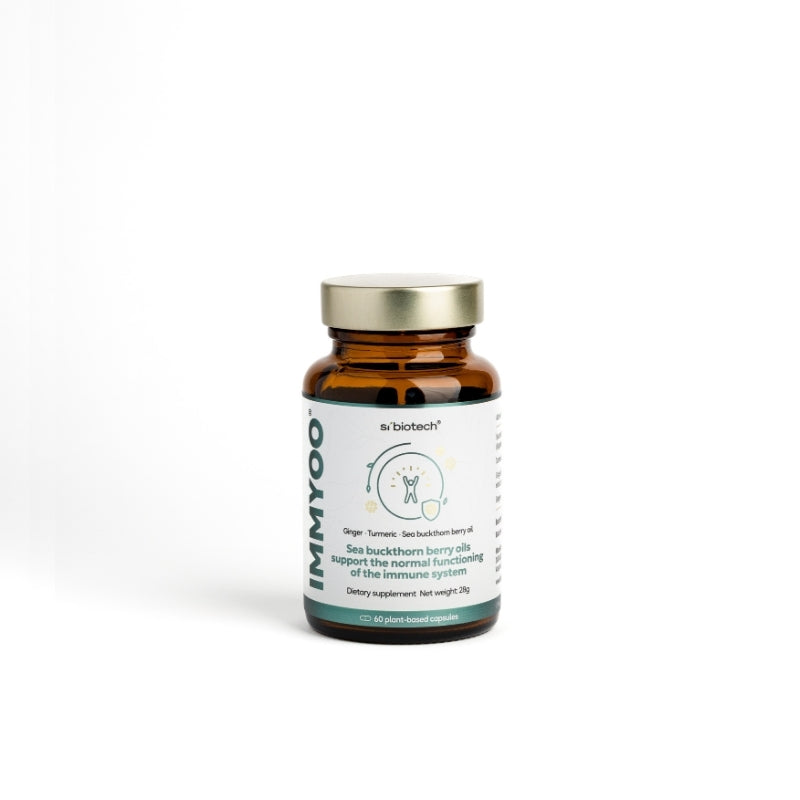
Sea buckthorn (Hippophae rhamnoides) is a thorny shrub that produces bright orange berries. Different parts of the plant – the berries, their pulp, the seeds, and the oils pressed from them – are used in food products, supplements, and cosmetics, valued for their abundance of vitamins, carotenoids, flavonoids, and fatty acids such as omega-3.

What are the benefits of sea buckthorn?
-
Has antioxidant properties
-
Is a source of vitamins and other biologically active compounds
-
May help maintain healthy skin
-
May help support the condition of mucous membranes
-
Contains a range of fatty acids, including omega-3, omega-6, omega-7, and omega-9
When might sea buckthorn help?
Sea buckthorn is often chosen to:
-
Support healthy skin
-
Support the comfort of mucous membranes
-
Add antioxidant compounds to the diet
-
Provide a range of fatty acids
-
Enrich the diet with vitamins and other biologically active compounds
Natural sources of sea buckthorn
Sea buckthorn grows naturally across Europe and Asia, and its berries and seeds are used to make food products, supplements, and cosmetics. Sea buckthorn can be processed into juice, purée, powder, and extracts, while oil is pressed from either the berry pulp or the seeds.
Recommended sea buckthorn dosage
The recommended amount of sea buckthorn depends on the form used – berries, juice, oil, powder, or extract. A typical daily intake ranges from a few grams of dried berries to a few tablespoons of juice, or an equivalent amount of another sea buckthorn product. The exact amount should be chosen individually, based on personal needs.
Possible side effects of sea buckthorn and interactions with medications
Sea buckthorn products, including the berries, seeds, and oils derived from them, are generally well tolerated. However, larger amounts may cause digestive discomfort or other individual sensitivities in some people. If taking concentrated sea buckthorn preparations alongside medications, especially over a longer period, their compatibility should be checked and, if needed, a healthcare professional should be consulted.