Vitamin C
Vitamin C is a water-soluble antioxidant found naturally in fruits and vegetables. It plays a key role in strengthening the immune system and protecting cells from damage.

What are the benefits of vitamin C?
-
Helps reduce fatigue and maintain energy levels.
-
Protects cells from oxidative stress.
-
Promotes wound healing and collagen production.
-
Supports skin health and a youthful appearance.
-
Improves iron absorption.
-
Strengthens the immune system, which can be especially valuable for people dealing with COVID-19 or cancer.
Possible symptoms of vitamin C deficiency:
-
Fatigue and general weakness.
-
A weaker immune system and more frequent colds.
-
Joint pain and stiffness.
-
Slower wound healing.
-
Bleeding gums.
-
Dry, rough skin.
-
Increased irritability and mood swings.
Natural sources of vitamin C
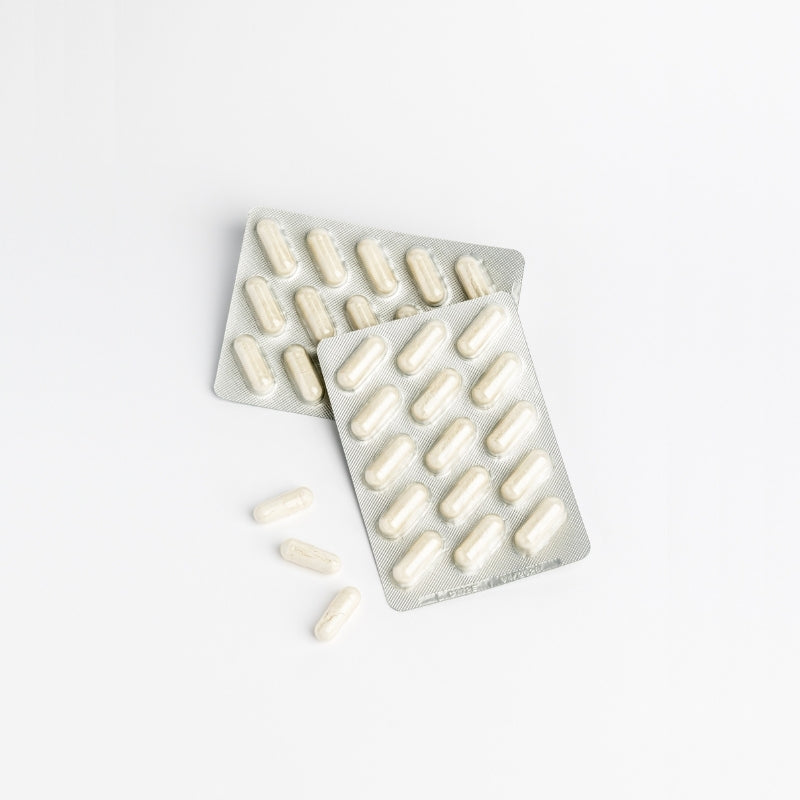
Vitamin C is found in citrus fruits, berries, bell peppers, broccoli, and spinach. It's also available as a supplement in capsule, powder, or tablet form.
Recommended daily allowance of vitamin C
The recommended daily allowance of vitamin C is 75–120 mg, with a maximum safe daily dose of 2000 mg. Children need significantly less vitamin C than adults: 15 mg a day is enough for children aged 1-3, 25 mg for ages 4-8, and 45 mg for ages 9-13. The exact dose should always be determined individually.
Possible side effects of vitamin C and drug interactions
Vitamin C is generally well tolerated, but high doses can cause stomach irritation or diarrhea. Excessive intake may also promote gallstone formation, so if you're taking large amounts, it's worth choosing calcium ascorbate or sodium ascorbate – these forms are gentler on the stomach and less acidic.
Vitamin C may interact with certain blood-thinning medications, so talk to your doctor or pharmacist before use.