Anthocyanins
Anthocyanins are natural plant pigments from the flavonoid family that give fruits, vegetables, and berries their red, blue, or purple color. They have powerful antioxidant properties and help protect cells from oxidative stress.

What are the benefits of anthocyanins?
-
Protect cells from oxidative stress
-
Have anti-inflammatory effects
-
Support cardiovascular health
-
May help maintain healthy blood pressure
-
Strengthen the immune system
-
May improve vision, especially at night
-
Support brain function and help preserve memory as you age
Possible symptoms of anthocyanin deficiency:
-
Weaker protection against oxidative stress
-
Poor circulation, which may cause cold or numb hands and feet
-
Reduced energy and general weakness
-
Decreased visual acuity, especially at night
-
Memory and attention problems
-
Weakened immunity
Natural sources of anthocyanins
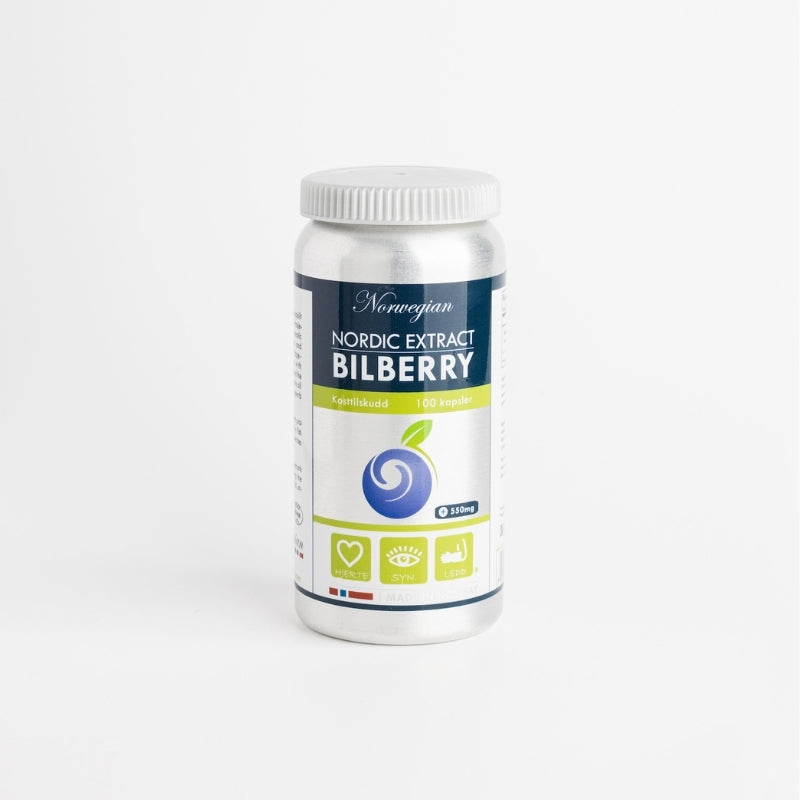
Anthocyanins are abundant in dark-colored berries such as blueberries, blackcurrants, cherries, raspberries, blackberries, and red grapes. They're also found in red vegetables like red cabbage, beetroot, and eggplant. As a supplement, anthocyanins are most commonly available in capsule or powder form.
Recommended daily intake of anthocyanins
Supplemental doses of anthocyanins typically range from 80 mg to 320 mg per day, depending on the product's concentration and individual needs. This range is generally considered safe and effective for antioxidant support. The exact dose should be determined individually, taking into account a person's health, lifestyle, and their doctor's recommendations.
Possible side effects and drug interactions of anthocyanins
Anthocyanins generally don't cause side effects, especially when taken as recommended. In rare cases, they may cause mild digestive issues such as bloating or diarrhea. Because anthocyanins have blood-thinning properties, it's best to consult your doctor before combining them with blood-clotting medications.