Astaxanthin
Astaxanthin is a natural antioxidant from the carotenoid family, found in algae, salmon, shrimp, and other seafood. It offers strong protection against oxidative stress and free radical damage.

What are the benefits of astaxanthin?
-
A powerful antioxidant that protects cells from oxidative stress.
-
Helps reduce chronic inflammation in the body.
-
Supports cardiovascular health.
-
Helps maintain eye health and reduce eye fatigue.
-
Supports muscle recovery and endurance during exercise.
-
May help support brain function and protect the nervous system.
-
May help maintain skin elasticity and protect against UV damage.
Possible symptoms of astaxanthin deficiency
Astaxanthin isn't considered an essential nutrient, but low intake has been linked to symptoms such as:
-
Weaker immune system.
-
Slower muscle recovery after exercise.
-
Increased oxidative stress and faster aging.
-
Low energy or a general feeling of fatigue.
-
Eye strain or dryness.
-
Increased skin sensitivity to UV rays.
Natural sources of astaxanthin
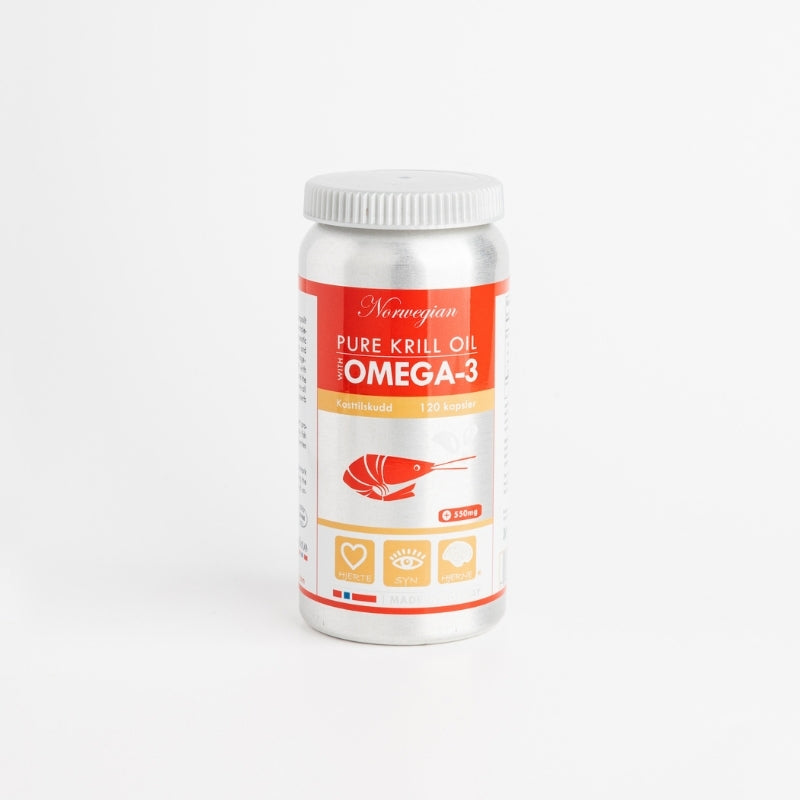
Astaxanthin occurs naturally in marine organisms. It's most concentrated in salmon, krill, arctic shrimp, and red algae. As a supplement, it's usually taken in capsule form.
Recommended astaxanthin dosage
The recommended dose of astaxanthin depends on individual needs and the concentration of the product. Supplement doses typically range from 4 mg to 12 mg per day. The right dose should be determined individually.
Possible side effects of astaxanthin and interactions with medications
Astaxanthin is generally well tolerated, especially at recommended doses. In rare cases, it may cause digestive upset, skin redness, or allergic reactions. Because astaxanthin has antioxidant and anti-inflammatory effects, talk to your doctor before combining it with blood pressure medication, blood-thinning medication, or immunosuppressants.