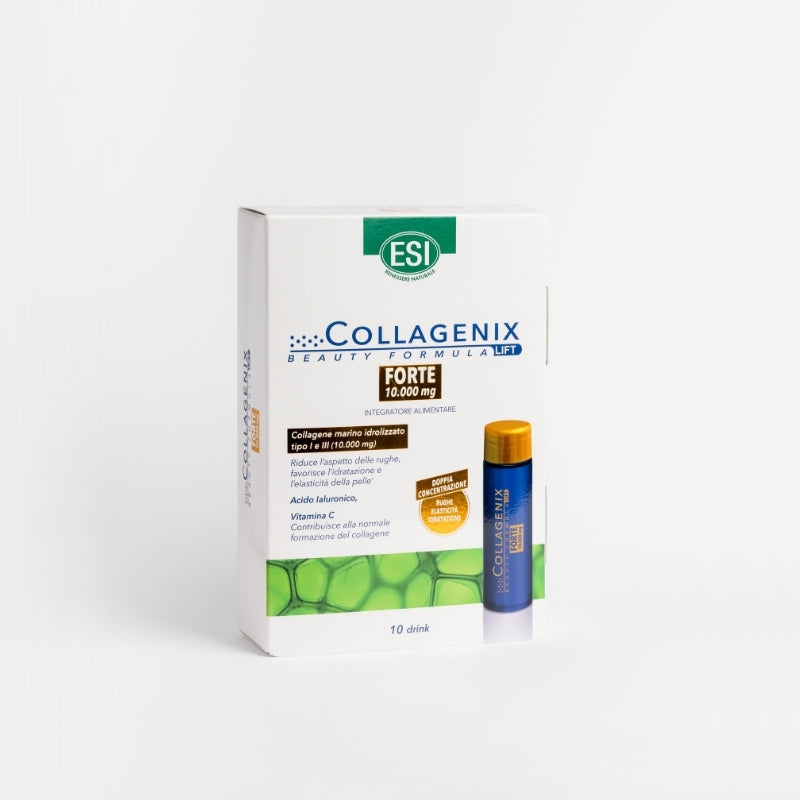
Hyaluronic acid
Hyaluronic acid is a polysaccharide the body produces naturally, belonging to a group of molecules called glycosaminoglycans. It has a strong ability to attract and hold onto water, which is why it plays such an important role in skin hydration, tissue elasticity, and the health of joints and connective tissue.

What are the benefits of hyaluronic acid?
-
Helps maintain skin hydration and elasticity
-
Contributes to skin firmness and smoothness
-
Supports joint lubrication and comfortable movement
-
Helps maintain proper hydration of connective tissue
When might hyaluronic acid help?
Hyaluronic acid can be worth considering when:
-
Skin feels dry, tight, or uncomfortable
-
Skin is losing elasticity and firmness
-
You'd like extra support for skin hydration
-
Joints feel stiff or movement feels uncomfortable
-
Joints are under increased physical strain
Natural sources of hyaluronic acid
Hyaluronic acid is naturally produced in both human and animal bodies, which is why it's found in skin, joints, and other tissues. The hyaluronic acid used in supplements is obtained from biotechnologically produced or animal-derived raw material, and supplements come in capsules, tablets, powders, or liquid form.
Recommended dosage of hyaluronic acid
There is no single official daily intake set for hyaluronic acid, and supplements contain different amounts depending on the product's composition and purpose. Doses of around 50-200 mg per day are most common. The right amount should be chosen individually, based on the specific product's composition and usage instructions.
Possible side effects of hyaluronic acid and interactions with medications
Hyaluronic acid is generally well tolerated, though in rare cases it may cause mild digestive discomfort, headaches, or an allergic reaction. No significant interactions with medications have been established, but if you're taking prescription medication, it's worth checking with your doctor or pharmacist about how it fits alongside supplements.