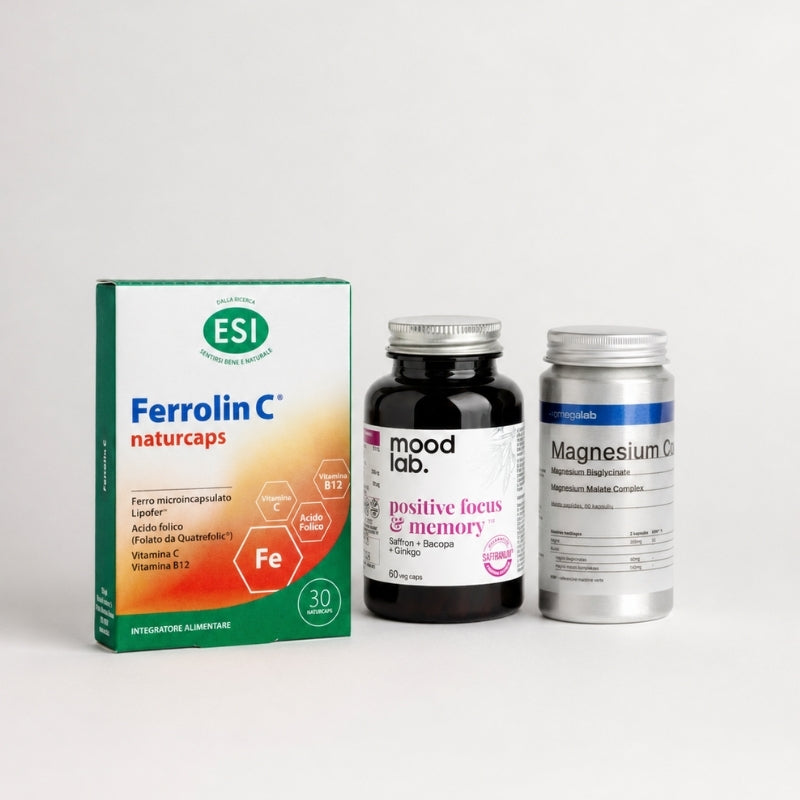
Iron
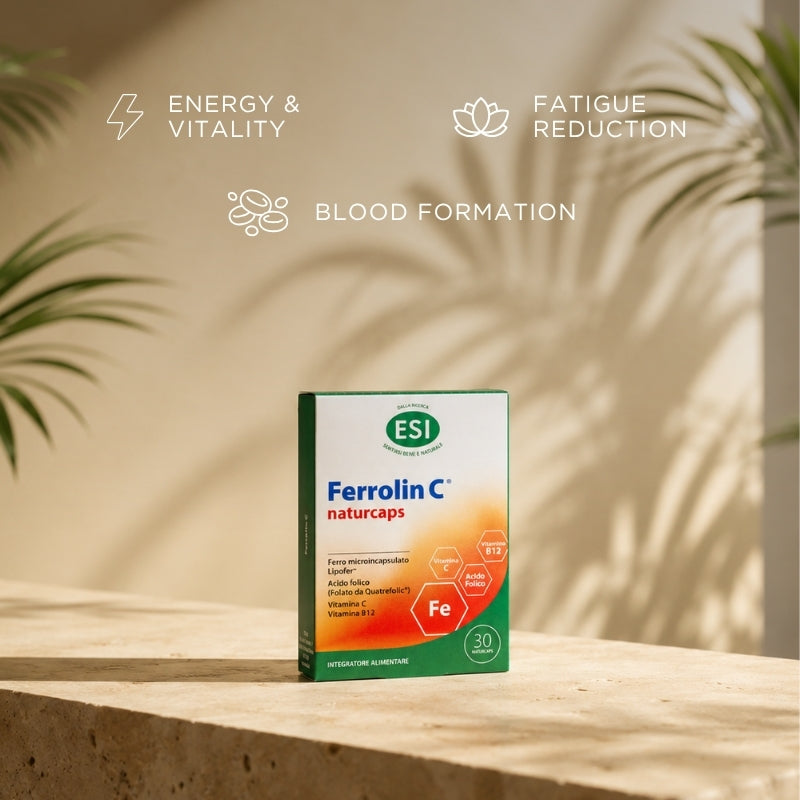
Iron is an essential mineral that the body needs to produce hemoglobin and carry oxygen to your tissues. It also supports normal energy metabolism and immune function, and helps reduce fatigue and weakness.

What are the benefits of iron?
-
Contributes to the normal production of hemoglobin and red blood cells
-
Helps ensure proper oxygen transport in the body
-
Contributes to energy metabolism
-
Supports normal immune system function
-
Helps reduce fatigue and weakness
Possible symptoms of iron deficiency:
-
Fatigue and weakness
-
Reduced concentration and attention span
-
Shortness of breath or rapid heartbeat during physical exertion
-
Dizziness or headaches
-
Pale skin
-
Cold hands and feet
-
Hair loss, brittle nails, chapped lips
Natural sources of iron
Iron occurs naturally in meat, especially liver and red meat, as well as in fish, eggs, legumes, nuts, seeds, and leafy green vegetables. In supplements, it appears in various compound forms, such as iron bisglycinate, fumarate, or sulfate, and comes as capsules, tablets, powders, or liquid preparations.
Recommended iron dosage
Adults' daily iron needs depend on sex and physiological state: men need about 11 mg per day, while women of childbearing age need about 16 mg per day. A total iron intake of up to 40 mg per day is considered safe for adults. The right supplemental dose should be determined individually, based on the body's needs.
Possible side effects of iron and interactions with medications
Iron supplements are generally well tolerated, but higher doses may cause nausea, constipation, abdominal pain, or other digestive issues. Iron can reduce the absorption of certain medications, such as some antibiotics and thyroid hormones, so it may be necessary to space out doses by several hours. It's best to check with a doctor or pharmacist about combining iron supplements with other oral medications.