Prickly pear
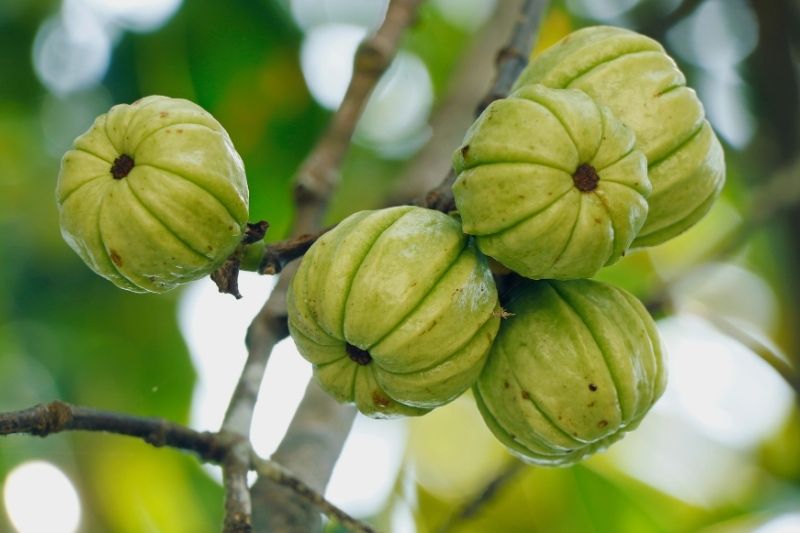
Prickly pear (Opuntia ficus-indica) is a cactus whose fruit and stems are used in food supplements. It naturally contains fiber, polyphenols, and other bioactive compounds, which is why prickly pear extract is a popular ingredient in supplements for weight management and digestion.

What are the benefits of prickly pear?
-
May help support normal glucose metabolism
-
May help support normal lipid metabolism
-
May help you feel fuller for longer, thanks to its fiber content
-
May support normal digestive function
-
Has antioxidant properties
When might prickly pear help?
Prickly pear may be helpful in the following situations:
-
When hunger returns quickly between meals
-
When digestive discomfort or irregular bowel movements are a problem
-
During changes in glucose metabolism
-
During changes in lipid metabolism
-
During periods of increased oxidative stress in the body
Natural sources of prickly pear
Prickly pear grows naturally in arid, warm-climate regions, especially Central and South America, though it is now cultivated widely around the world. Food supplements are made from extracts of its fruit or stems, and are available to consumers as capsules, tablets, powders, or liquid preparations.
Recommended prickly pear dosage
The typical recommended intake is 500-3000 mg of extract per day, though the right dose depends on the product's composition and which part of the plant is used, so it's important to follow the manufacturer's instructions closely.
Possible side effects of prickly pear and interactions with medications
Prickly pear is generally well tolerated, though it may cause digestive upset in some people. It can interact with medications used to regulate blood glucose levels or lower blood pressure, so it's a good idea to consult a doctor or pharmacist before taking supplements.