Prunes
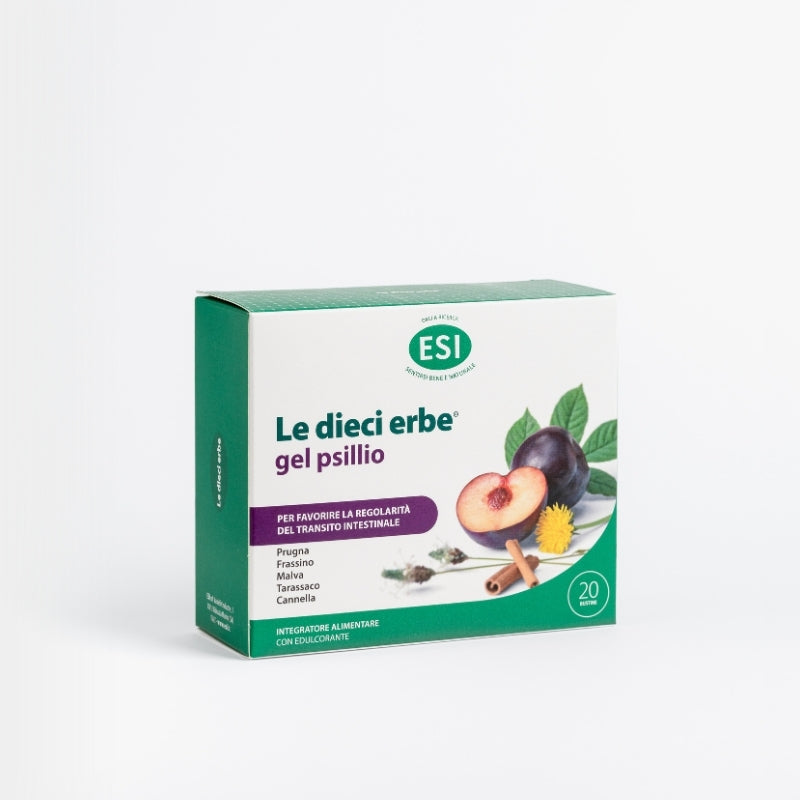
Plums (Prunus domestica L.) are best known in their dried form — prunes — for supporting healthy bowel function. Prunes naturally contain dietary fiber and sorbitol, a sugar alcohol that draws water into the intestines. Because of this combination, prunes are a popular natural choice for maintaining regular bowel movements.

What are the benefits of prunes?
-
Support bowel function and regular bowel movements
-
May help soften stools
-
Contribute to adequate fiber intake in the diet
-
Have antioxidant properties
-
Supplement the diet with potassium and other nutrients
When might prunes help?
Prunes may be helpful when dealing with:
-
Constipation or irregular bowel movements
-
Hard, difficult-to-pass stools
-
Insufficient fiber intake in the diet
-
Digestive discomfort
Natural sources of prunes
Plums are the fruit of the plum tree (Prunus domestica L.). They can be eaten both fresh and dried, but for digestive health, it's the dried form — prunes — that's most commonly used. Food supplements may contain ground prunes, prune powder, concentrates, or extracts.
Recommended prune intake
The recommended amount depends on the form, as fresh and dried plums are consumed in different quantities. To support bowel function, around 100 g of prunes per day is often recommended. The right amount for you should be based on individual needs and product recommendations.
Possible side effects of prunes and interactions with medications
Prunes are generally well tolerated, but larger amounts can cause bloating, gas, or diarrhea. Because of their vitamin K content, they may affect the action of certain medications, particularly those that influence blood clotting. If you're taking such medications, discuss prune consumption with your doctor or pharmacist.