Valerian root
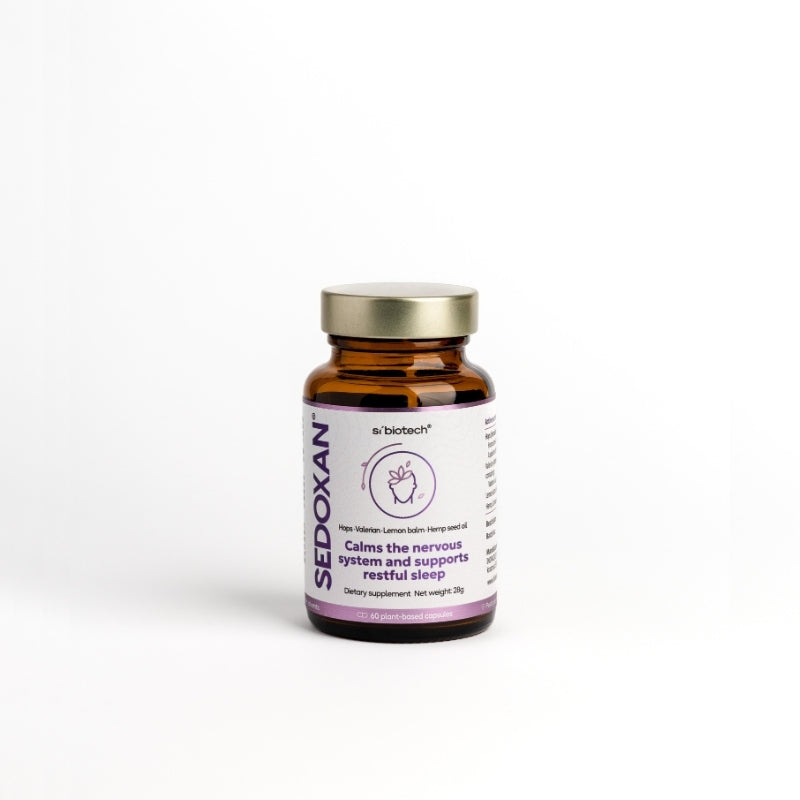
Valerian root comes from the common valerian plant (Valeriana officinalis) and has long been used as a natural sedative. Taking valerian root can help reduce stress, improve sleep quality, and calm the nervous system, which is why it's often recommended for insomnia or anxiety.

What are the benefits of valerian root?
-
Calms the nervous system
-
Reduces stress levels
-
Helps you relax
-
Supports emotional balance
-
Improves sleep quality
-
Supports healthy digestion
-
Strengthens the body's overall resilience
When might valerian root help?
Valerian root can be especially helpful if you're experiencing:
-
Increased stress and anxiety
-
Emotional tension or irritability
-
Overly intense emotional reactions
-
Muscle tension and spasms
-
Disrupted or poor-quality sleep
-
Fatigue and low energy
-
Digestive discomfort
Natural sources of valerian root
Valerian root grows across Europe, Asia, and North America, typically in damp, shaded spots such as meadows and forest edges. Its active compounds come from the dried root, and supplements are most commonly available as capsules, tablets, powder, or liquid extract. Valerian root can also be brewed as a tea.
Recommended valerian root dosage
The right dose depends on the form of the supplement: around 2-4 g per day for dried root powder, or 300-600 mg per day for standardized extract. The exact amount should be tailored to the individual, taking into account age, health condition, and a doctor's advice.
Possible side effects of valerian root and interactions with medications
Valerian root is generally well tolerated, though some people may notice mild dizziness, fatigue, or digestive upset. It can intensify the effects of sedative medications, and may also interact with drugs that depress the central nervous system, such as benzodiazepines, as well as medications used to manage blood pressure or blood sugar levels. It's best to talk to a healthcare professional before starting valerian root.