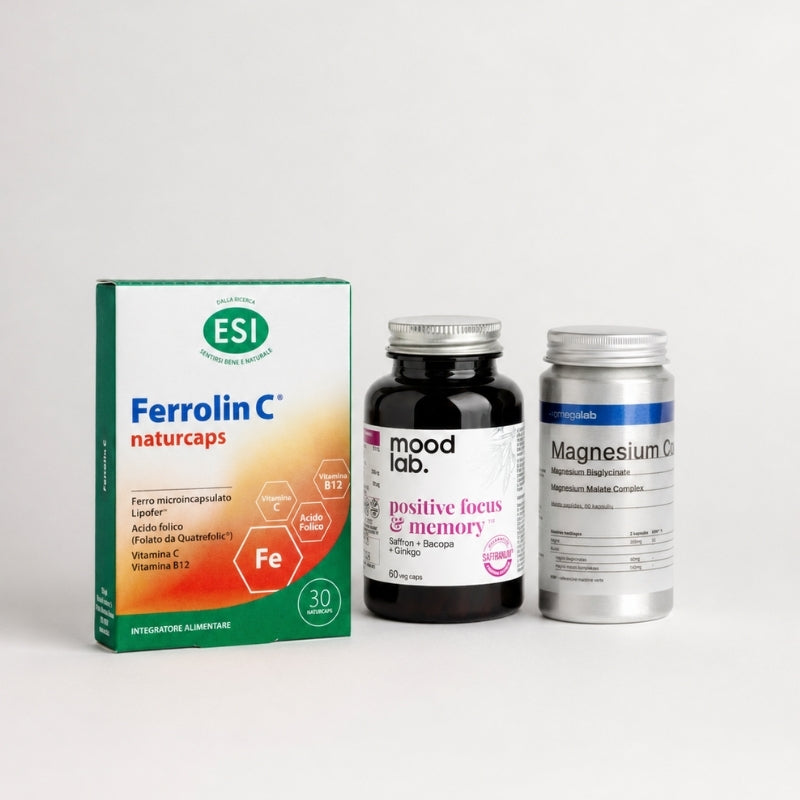
Vitamin B12
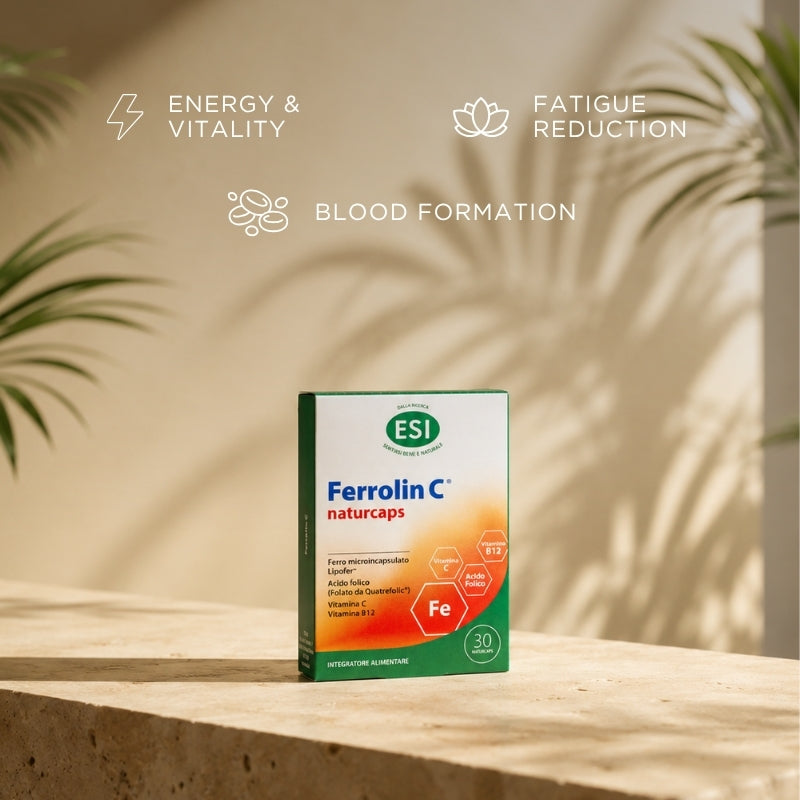
Vitamin B12 (cobalamin) is a vitamin needed for normal nervous system function, red blood cell formation, and energy metabolism. It also plays a role in cell division, supports normal psychological function, and helps reduce tiredness and fatigue.

What are the benefits of Vitamin B12?
-
Supports nervous system function
-
Contributes to red blood cell formation
-
Important for cell division
-
Participates in energy metabolism
-
Helps reduce fatigue and weakness
Possible symptoms of Vitamin B12 deficiency:
-
Fatigue and lack of energy
-
Difficulty with memory or concentration
-
Numbness and tingling in the hands and feet
-
Balance or coordination problems
-
Tongue sensitivity, redness, or a burning sensation
-
Mood changes, irritability, or low mood
-
Vision changes, especially with more severe or prolonged deficiency
Natural sources of Vitamin B12
Vitamin B12 is found mainly in animal products, such as liver, meat, fish, eggs, and dairy. It is almost absent from plant foods, so vegans need to make sure they get enough vitamin B12. Supplement forms include capsules, tablets, and liquid preparations.
Recommended Vitamin B12 dosage
The recommended daily allowance of vitamin B12 for adults is approximately 4 µg. Supplements contain varying amounts of vitamin B12, depending on the product's composition and purpose. The exact dose of additional vitamin B12 should be chosen according to individual needs.
Possible side effects of Vitamin B12 and interactions with medications
Vitamin B12 is generally well tolerated, but in rare cases it may cause headaches, nausea, or skin rashes. It can interact with certain medications, such as metformin and acid-reducing drugs, which can decrease vitamin B12 absorption. If you are taking these medications, discuss additional vitamin B12 intake with your doctor or pharmacist.