Phytosterols
Phytosterols are plant-derived sterols found naturally in vegetable oils, nuts, seeds, and legumes. In the gut, they compete with cholesterol for the same absorption sites, so less cholesterol passes into the bloodstream. This helps lower "bad" cholesterol levels and supports cardiovascular health.

What are the benefits of phytosterols?
-
Helps lower "bad" (LDL) cholesterol levels in the blood
-
Supports healthy fat metabolism
-
Helps protect against cardiovascular disease
-
Has anti-inflammatory properties
-
Supports overall health and wellbeing
-
May help maintain normal immune function
Possible symptoms of phytosterol deficiency:
-
Higher "bad" cholesterol levels
-
Disrupted fat metabolism
-
Cardiovascular disease
-
Weaker defenses against inflammation
-
Poorer immune function
-
Lower overall energy levels
Natural sources of phytosterols
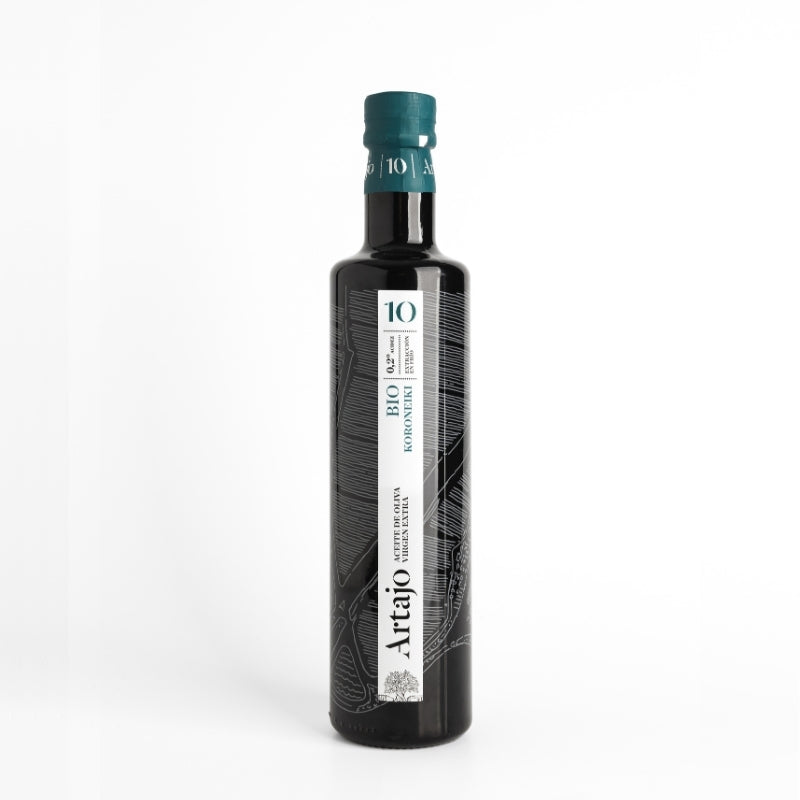
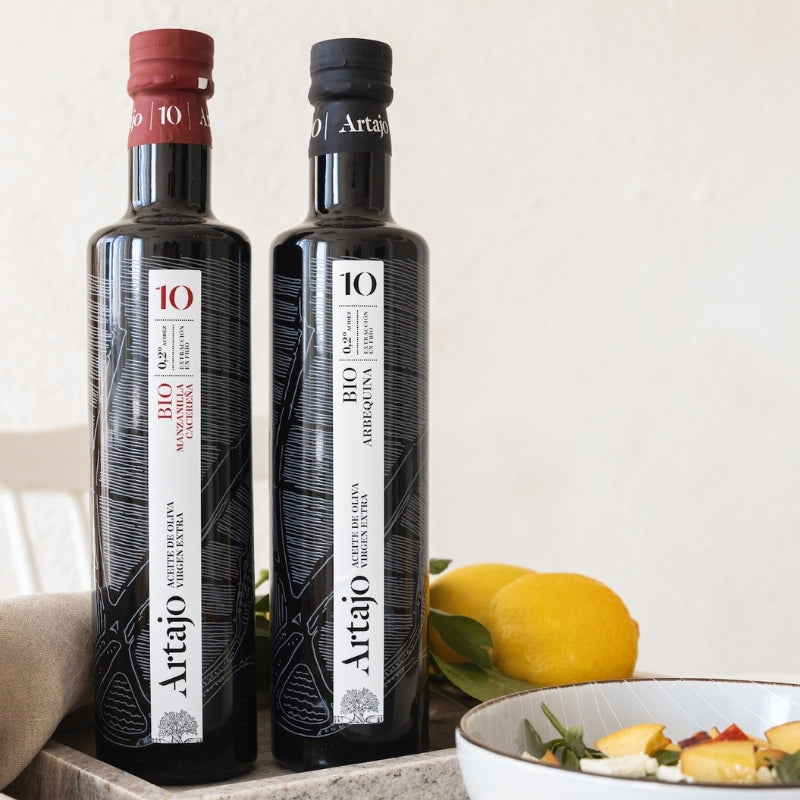
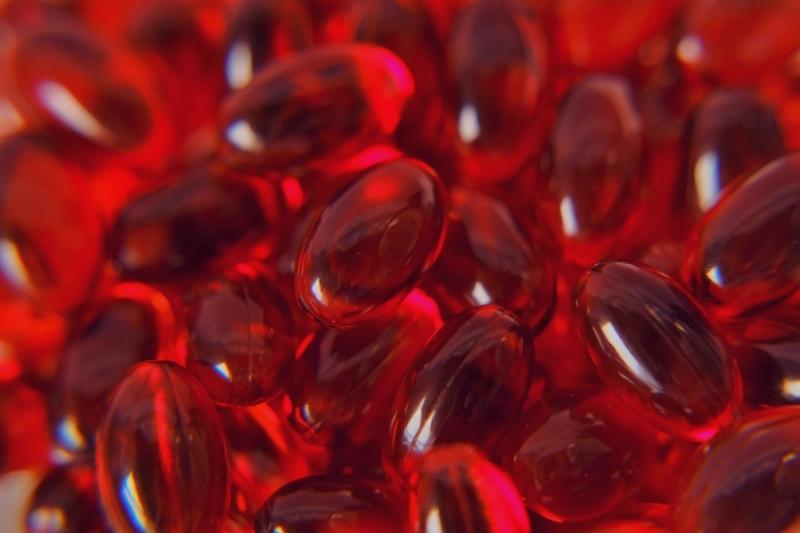
Phytosterols occur naturally in avocados, almonds, walnuts, sunflower seeds, flaxseed, olive oil, and whole grains. As a supplement, they are usually taken in capsule or powder form.
Recommended dosage of phytosterols
Typical phytosterol doses for lowering blood cholesterol range from 1.5 g to 3 g per day. For preventive use or alongside a balanced diet, a lower amount – around 300-1000 mg per day – is often enough. The right dose should be determined individually, based on health status, dietary habits, and the advice of a doctor or dietitian.
Possible side effects of phytosterols and interactions with medications
Phytosterols are generally well tolerated when taken at the recommended doses. In rare cases, they may cause digestive discomfort, bloating, or diarrhea. When combined with cholesterol-lowering medication, their effect may be enhanced, so it is important to talk to your doctor first.