Polyphenols
Polyphenols are natural plant compounds prized for their powerful antioxidant properties. They help protect your cells from oxidative stress and support your body's overall health.

What are the benefits of polyphenols?
-
Act as powerful antioxidants that protect cells from damage
-
Help reduce inflammation in the body
-
Support healthy blood sugar and fat metabolism
-
May support brain function and focus
-
May support cardiovascular health
-
May help strengthen the immune system
-
May help slow signs of aging, including skin aging
Possible symptoms of polyphenol (or other antioxidant) deficiency:
-
Increased oxidative stress and cell damage
-
Higher risk of inflammation
-
Reduced energy and concentration
-
Weaker immunity
-
Reduced skin elasticity and earlier signs of aging
Natural sources of polyphenols
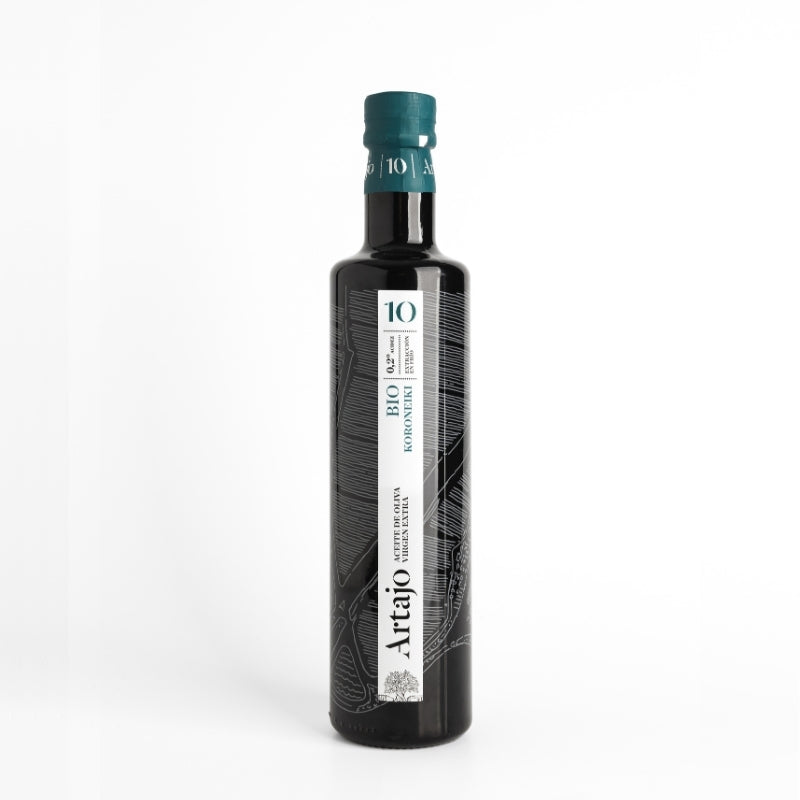
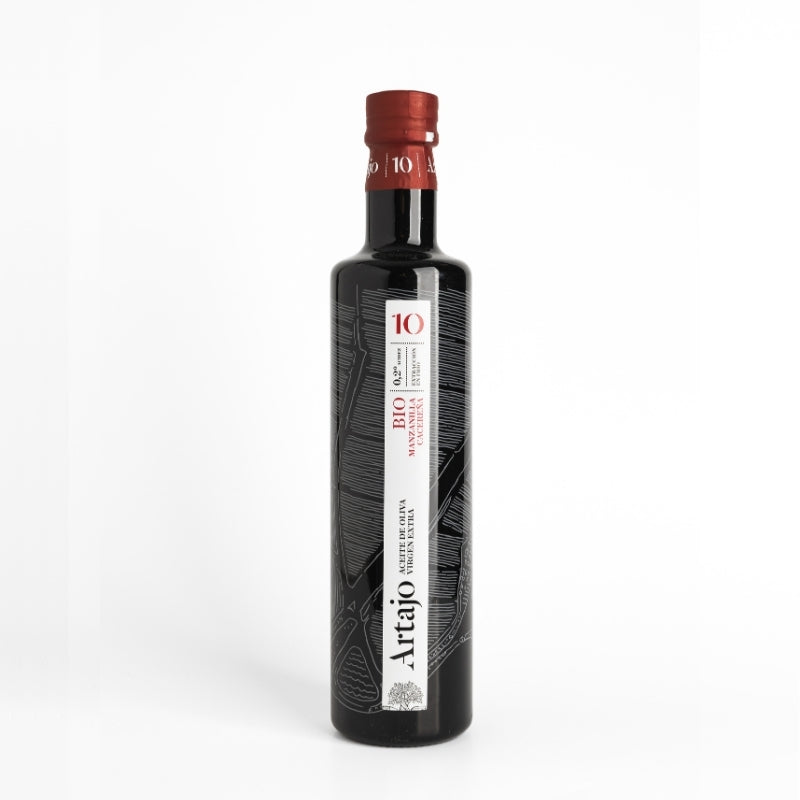
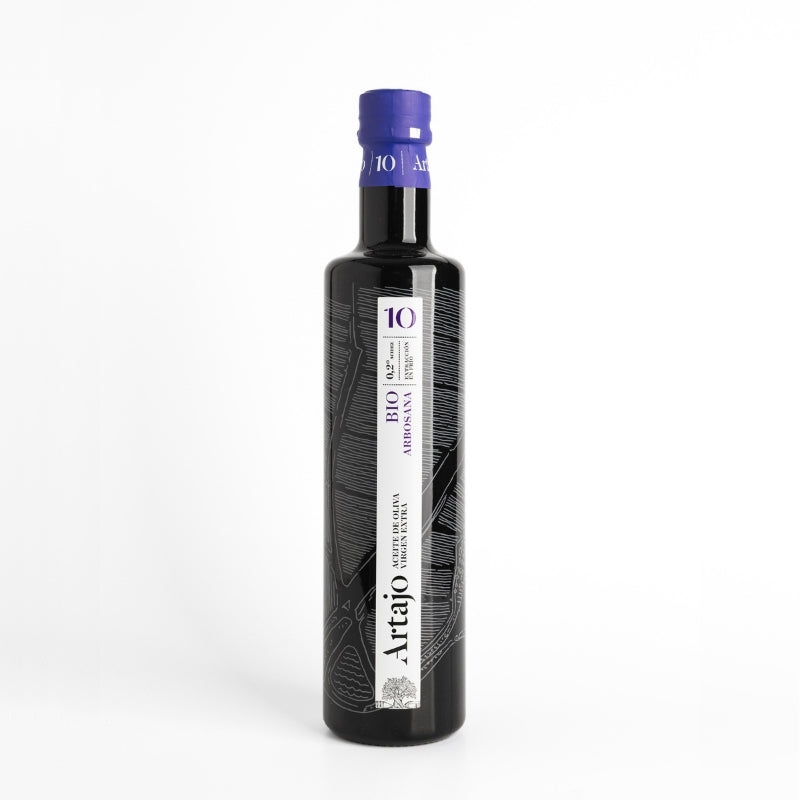
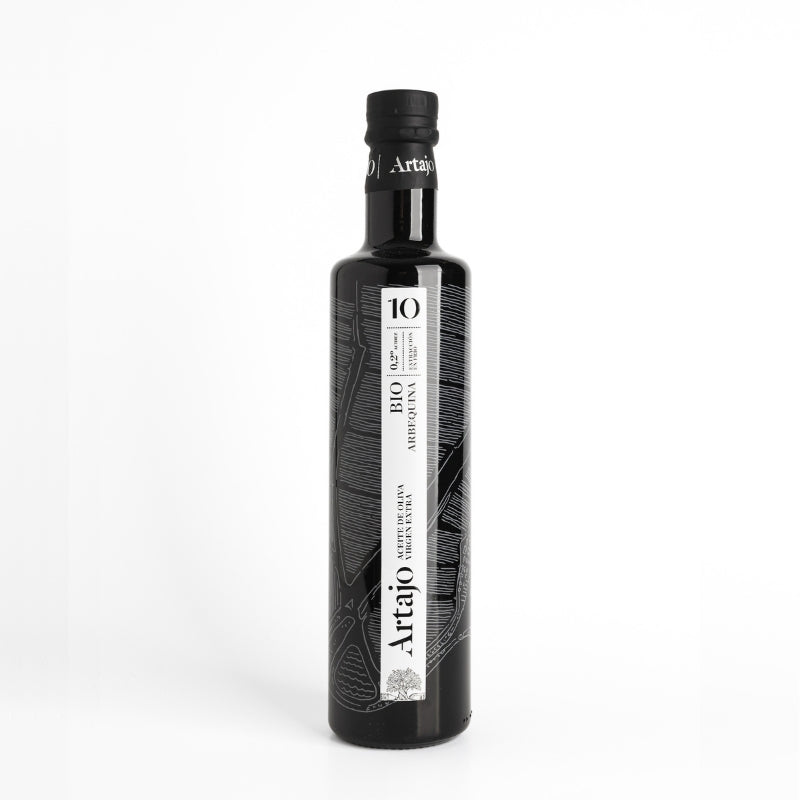
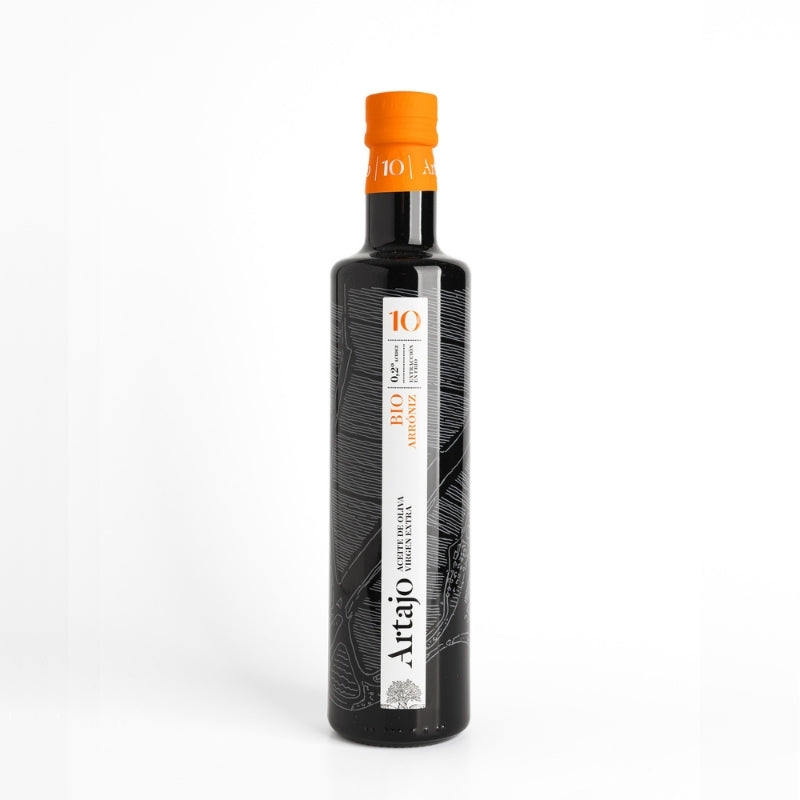
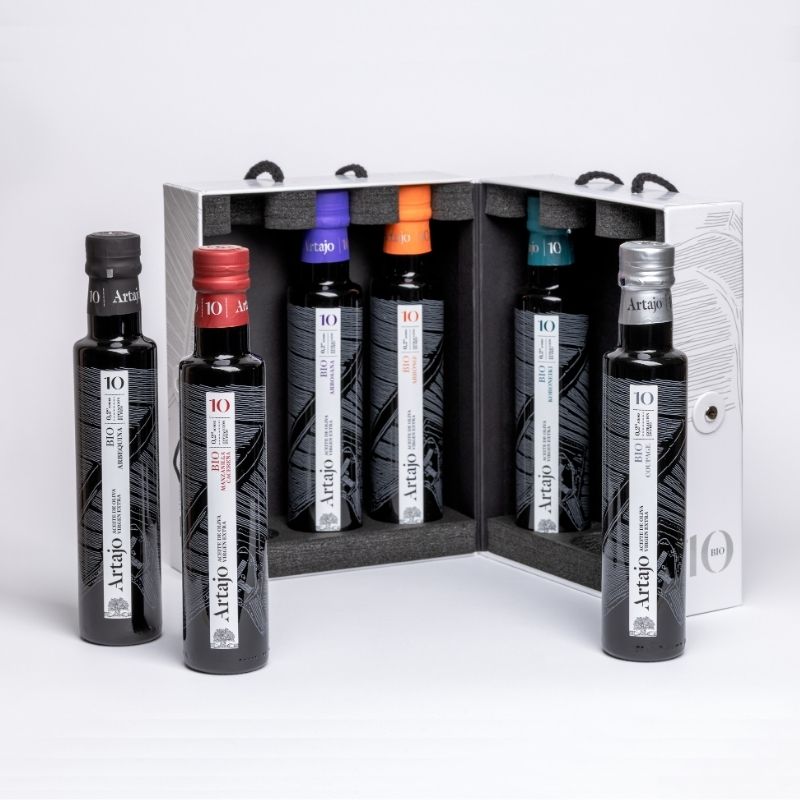
Polyphenols occur naturally in berries, fruits, vegetables, nuts, seeds, cocoa, green and black tea, and olive oil. As a supplement, they're most commonly taken in capsule, tablet, or powder form.
Recommended polyphenol intake
The recommended daily intake of polyphenols typically ranges from 200 mg to 800 mg. If you're getting yours from high-quality, extra virgin olive oil, 2-4 tablespoons a day is generally recommended. The right dose depends on the individual, so it should be chosen with your health status, diet, and a specialist's advice in mind.
Possible side effects of polyphenols and interactions with medications
Polyphenols are generally well tolerated, but high doses may cause digestive upset, nausea, or diarrhea. Taking them alongside blood-thinning medications, blood sugar-regulating drugs, or other antioxidant supplements may change how these work, so it's best to check with your doctor before starting polyphenol supplements.